Is Your Air Fryer Safe? Plastic Risks Explained
Yes, air fryers are generally safe to use, and you don’t need to panic about plastic safety if you use them correctly. The key is to understand which parts are heat-safe and to never use plastic accessories that aren’t specifically rated for high temperatures. Air fryer plastic safety comes down to knowing your specific model and following a few simple rules to avoid melted parts or harmful chemicals.
We found that most modern air fryers are built with BPA-free plastic exteriors and heat-resistant components that are tested for safety. The real concern isn’t the machine itself, but the plastic utensils, containers, or liners you might be tempted to use inside it. Many experts say that as long as you use the accessories that came with your fryer and stick to manufacturer guidelines, you’re in the clear.
- Yes, air fryer plastic is safe when the parts are BPA-free and rated for high heat.
- Never put regular plastic containers or cling wrap inside a hot air fryer.
- Check your manual to see which plastic parts are dishwasher-safe and heat-proof.
- Use silicone, glass, or metal accessories instead of generic plastic ones.
- Stop using any plastic part that shows signs of melting, warping, or discoloration.
Now, let’s break down exactly how air fryer plastic works, what to look for, and how to keep your kitchen safe without giving up your favorite crispy snacks.
Understanding Air Fryer Materials and Heat Safety
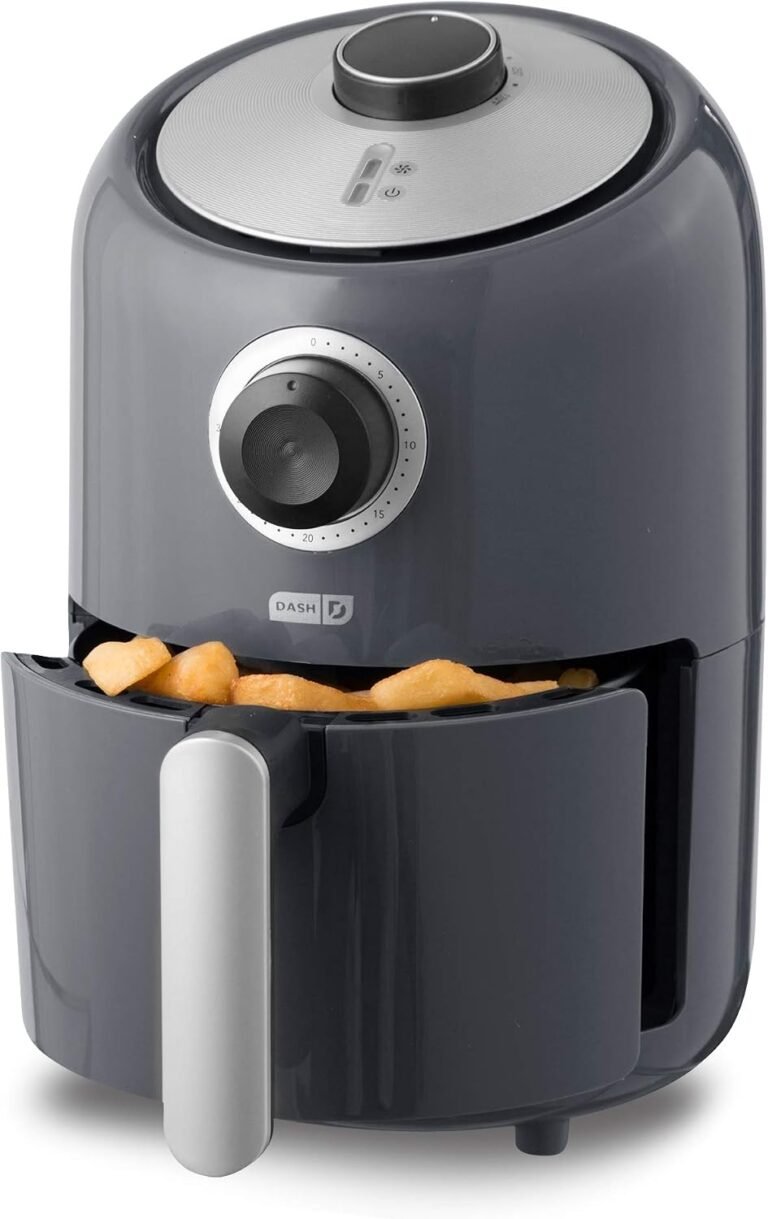
When you open the box of a new air fryer, you will notice a mix of materials. The outer shell is often glossy plastic. The inner basket is usually metal with a non-stick coating. We found that this combination confuses a lot of people. You might wonder if the outer shell gets hot enough to be a problem.
Here is the good news: the plastic on the outside of a modern air fryer is engineered specifically for this job. It is a type of thermoplastic that handles high surface temperatures without breaking down. The heating element sits far away from the outer casing. The design allows air to circulate and cool the exterior during use.
Why the Outside Plastic Doesn’t Melt
We found that manufacturers use materials like polycarbonate or ABS plastic for the housing. These plastics have a high melting point, often well above the operational temperature of the air fryer. The fan inside keeps hot air moving away from the shell. It is a smart design that prioritizes safety and durability.
Think of it like a car engine. The engine gets incredibly hot, but the plastic dashboard stays cool because of distance and insulation. The air fryer works on the same principle. The plastic you touch is not the plastic that is near the heat source.
The Real Risk: Aftermarket Accessories
Your biggest plastic safety concern is not the machine itself. It is the stuff you put inside the basket. We found that many kitchen accidents happen when people use plastic containers to reheat leftovers in an air fryer. Tupperware bowls and deli containers are not built for this kind of heat.
Standard food storage plastic melts at around 250°F to 300°F. Your air fryer runs between 300°F and 400°F. If you put a regular plastic container inside, it will warp, melt, and potentially leach chemicals into your food. Many experts say this is the most common mistake new users make.
Checking Your Air Fryer for Safe Plastic Parts
The safest step you can take is to read the user manual that came with your specific model. Look for a section on accessories and materials. We found that most manuals clearly label which parts are heat-safe. Some air fryers have plastic handles or knobs that are heat-resistant, while others have metal ones.
You should also look for a recycling symbol or a material stamp on the plastic parts. A “BPA-free” label is a good sign. It means the plastic does not contain bisphenol A, a chemical linked to health issues. The National Institute of Environmental Health Sciences notes that BPA is used in some plastics and can mimic hormones.
How to Identify BPA-Free Plastic
Flip the plastic part over and look for a number inside the recycling triangle. Plastics marked with a 1, 2, 4, or 5 are generally safer for food. Number 7 often means the plastic contains BPA. However, we found that many modern air fryers use a separate label stating “BPA-Free” directly.
If you cannot find any markings, contact the manufacturer online. Their website usually lists the technical specs for all materials used in the appliance. It might feel like extra work, but knowing what touches your food is worth the effort.
Reading the Manual Like a Pro
Most people toss the manual in a drawer and never look at it again. We get it. But the manual has a specific page that outlines which parts are dishwasher safe. Heat exposure during a wash cycle is different from cooking heat. A part might survive the dishwasher but not the air fryer, or vice versa.
Look for a temperature rating chart. We found that some manuals list the exact maximum temperature for every plastic component. If the chart is missing, look for phrases like “food-safe” or “for use with high-heat appliances.” These are the parts you can trust.
What Happens if You Melt Plastic in an Air Fryer
Let’s say you accidentally set a plastic spatula inside the basket and turned it on. The moment the plastic starts to soften, the air fryer fills with a distinct, acrid smell. You will know immediately. We found that this situation is scary, but you can fix it safely.
First, switch off the machine and unplug it. Do not open the basket right away. The fumes from melted plastic can irritate your eyes and throat. Wait for the unit to cool completely. Then, remove the plastic carefully and wash the basket thoroughly with soap and hot water.
Is the Food Still Safe to Eat After Plastic Melts?
This is the burning question. We found that health experts generally advise throwing out the food if it came into direct contact with melted plastic. The heat can cause chemicals to transfer to the food’s surface. According to the National Capital Poison Center, eating food contaminated by melted plastic can cause short-term stomach upset.
If the plastic melted on the coil or the bottom, inspect the basket for warping. When in doubt, throw it out. Your health is more important than saving a batch of fries. The basket can be replaced, but your body is one of a kind.
How to Clean Melted Plastic Residue
Cleaning up melted plastic is annoying, but it is doable. We found that freezing the basket helps. Put the basket in the freezer for 10 minutes. The plastic becomes brittle and will chip off easily with a plastic scraper. Avoid using metal utensils, as they can scratch the non-stick coating.
After chipping the big pieces off, wash the basket with a baking soda paste. The paste helps remove the oily residue left behind. Rinse thoroughly and inspect for any remaining bits. This method works well for most non-stick surfaces.
Practical Air Fryer Plastic Safety Rules
You now know the basics. The next step is applying that knowledge every single day. Simple habits prevent most plastic-related accidents. Start by building a mental checklist before you press the start button. We found that people who follow these rules rarely have issues.
- Only use metal, glass, or silicone bowls inside the fryer basket.
- Never use plastic wrap or baggies to cover food in the fryer.
- Inspect plastic handles and knobs monthly for cracks, melting, or discoloration.
- Remove plastic packaging and labels from frozen foods before cooking.
- Allow the air fryer to cool fully before washing plastic exterior parts.
- Replace any plastic accessory that feels soft or smells burnt.
Why Silicone is a Better Alternative
If you need a flexible accessory, choose silicone. It is a rubber-like polymer that withstands temperatures up to 400°F or higher. Many experts say silicone is the safest non-metal option for air frying. It does not leach chemicals and does not warp under normal cooking conditions.
Silicone liners and mats are popular. They keep food from sticking to the metal basket. We found that high-quality silicone is inert, meaning it does not react with food. Just make sure the silicone product is labeled “food grade” and “BPA-free” before buying.
Comparing Basket Materials: Metal vs. Plastic
You might be shopping for a new air fryer and debating material quality. We found that the majority of air fryers have metal baskets. That is the best option. However, some budget models use a plastic-coated basket. This coating can chip over time and expose the metal underneath.
| Material | Heat Resistance | Durability | Safety Rating |
|---|---|---|---|
| Aluminum Non-Stick | Excellent | High | Top Choice |
| Stainless Steel | Excellent | Very High | Top Choice |
| Ceramic Coated | Good | Medium | Good Option |
| Plastic Coated | Fair | Low | Avoid |
That table is a quick guide based on our research. Metal conducts heat evenly and handles high temperatures easily. Plastic-coated baskets have a shorter lifespan because the coating degrades with each use. When you buy a new appliance, prioritize a metal cooking chamber.
Signs Your Air Fryer Plastic Needs Replacement
Even the best plastic degrades over time. You need to know what damage looks like. Visual inspections prevent future problems. We found that users often ignore small cracks until they become big hazards. Do not be that person.
Look at the plastic rim around the basket. If it looks cloudy or chalky, the plastic is degrading. This usually happens after years of hot dishwasher cycles. A cloudy texture means the plastic is losing its structural integrity.
Melting, Warping, and Discoloration
Any warping is a clear sign to stop using the part. Warped plastic means the part got too hot and softened. Even if it hardened back into place, it is weaker now. Discoloration is another warning sign. Yellowing or brown spots on white plastic indicate heat damage.
If a plastic handle feels loose or wobbly, replace it. A loose handle can break while you are holding a hot basket. That could lead to burns or spilled food. We found that replacement parts are usually available on the manufacturer’s website or through third-party retailers.
When to Retire Your Air Fryer Entirely
Sometimes the whole machine needs to go. If the outer plastic casing cracks near the vent, hot air might escape through the crack. That is a fire hazard. If you feel any soft or sticky spots on the exterior, retire the unit.
A burning smell during preheating is normal for the first few uses. But a burning smell that happens every time you cook is not normal. It could mean plastic is rubbing against the heating element. In this case, we found that the safest decision is to buy a new air fryer.
Smart Habits for Long-Term Air Fryer Safety
Consistency beats knowledge. You can know every safety rule, but you only stay safe if you follow them. Build routines that make safety automatic. Start by storing your air fryer correctly. Keep it in a dry, cool place away from the stove.
When washing the exterior, use a soft cloth with mild soap. Never use abrasive scrubbers on plastic surfaces. They create micro-scratches that weaken the plastic. Over time, these scratches can become starting points for cracks.
The Two-Minute Pre-Flight Check
Develop a quick routine before every use. We found that it takes less than two minutes. Unplug the air fryer and pull out the basket. Check the bottom for plastic shavings or debris. Inspect the heating coil for any foreign objects.
Look at the power cord. Frayed cords are a common issue. If the cord has exposed wire, stop using the air fryer immediately. The National Fire Protection Association warns that damaged cords cause thousands of home fires each year. A broken cord is a definite reason to replace the unit.
Storing Accessories Safely
We found that a cluttered drawer leads to accidents. You might grab a plastic spoon instead of a silicone one in a hurry. Store your silicone tools and metal tongs in a separate container near the air fryer. Keep plastic utensils far away and use them only for cold food prep.
If you store the air fryer with the basket inside, remove any plastic accessories from the basket first. This prevents pressure on the plastic parts that might cause warping over time. It also keeps the non-stick coating safe from scratches.
Following these guidelines keeps your air fryer running like a champ. A little common sense goes a long way. You bought the air fryer to make life easier, and with these habits, you can enjoy crispy food without worrying about melting plastic or harmful chemicals. Stay calm, check your parts, and cook with confidence.
Conclusion
Air fryer plastic safety comes down to one simple idea: use the right materials for the right job. The outside shell of your machine is built to handle heat, but regular plastic containers and utensils are not. We covered how to check your manual, spot BPA-free parts, and watch for signs of wear.
Your next step is simple. Open your air fryer drawer and check your accessories right now. Look for any melting, warping, or discoloration on plastic parts. If you see damage, stop using the part immediately. If everything looks good, keep your pre-flight check routine going before every cook. You’ll enjoy crispy food with total peace of mind.
Frequently Asked Questions
Can I use parchment paper in my air fryer?
Yes, parchment paper is safe to use in an air fryer. You just need to make sure it’s rated for high temperatures. Most parchment paper handles heat up to 420°F to 450°F.
Always weigh the paper down with food. This stops it from flying up and touching the heating element. Also, never use regular wax paper, which is not heat-resistant and will melt.
Is it safe to put paper plates or paper bowls in an air fryer?
No, you should avoid paper plates and paper bowls in an air fryer. The high-speed fan can blow light paper around and into the heating coil. That creates a serious fire risk.
Stick to the metal basket or use heat-safe silicone and glass containers instead. Paper items are not designed for the intense air circulation inside a fryer.
What temperature does plastic melt in an air fryer?
Standard food storage plastic starts softening around 250°F. Your air fryer typically runs between 300°F and 400°F, which is well above that melting point.
Only use plastic parts that your manufacturer specifically rates for the air fryer’s cooking temperatures. No-label plastic, like takeout containers or Tupperware, is not safe to put inside a hot air fryer.
Can I put frozen food with plastic packaging directly into the air fryer?
No, you must remove all plastic packaging before cooking frozen food. Many frozen dinners come in plastic trays or wrapped in plastic film.
These plastics are not designed to handle air fryer heat. They will melt, warp, and stick to your food. Transfer the food to a metal or silicone basket insert if the original packaging isn’t oven-safe.
Should I throw out my air fryer if the plastic basket tray has scratches?
Small surface scratches on a plastic tray are usually not a reason to toss the whole machine. However, you should inspect deep cracks or chips much more carefully.
If a crack exposes bare metal or the plastic flakes off into your food, replace that tray. Check the manufacturer’s website for a replacement part. Deep scratches can trap bacteria and release small plastic pieces into your food.