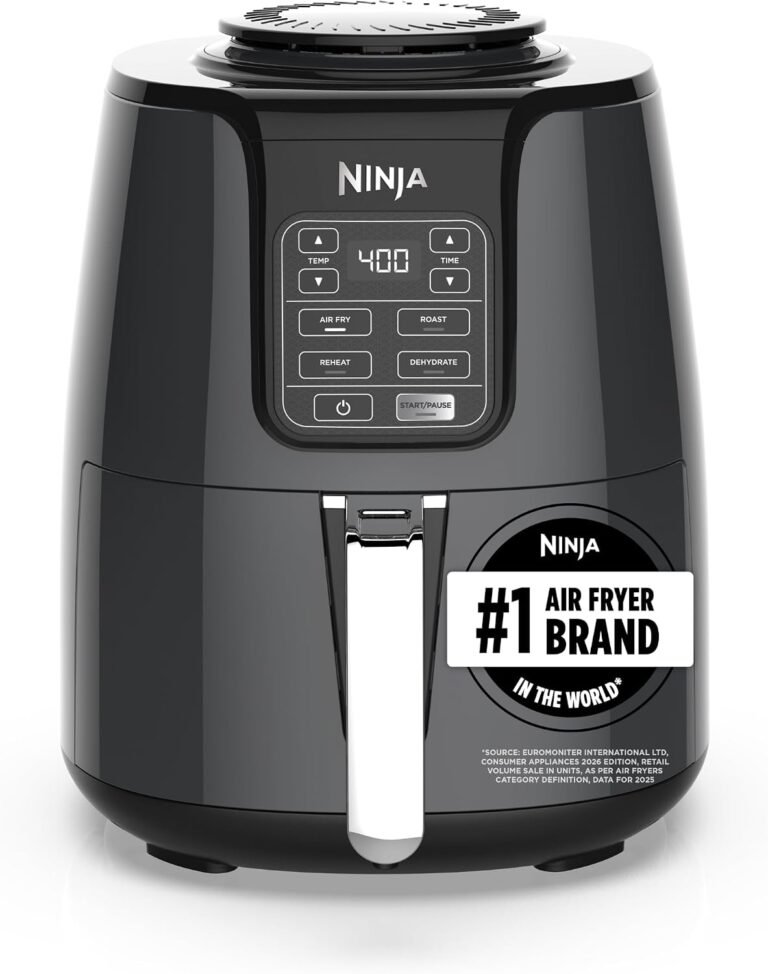
Commercial Air Fryer Guide: What to Know in 2026
Yes, you can absolutely use an air fryer for commercial use, and commercial air fryers are specifically built to handle the heavy workload of a restaurant, food truck, or catering business. These are not the same as the countertop models you have at home; they are larger, more durable, and engineered to cook high volumes of food quickly and safely.
When we researched the market, we found that commercial kitchens are using these machines to speed up service and cut down on energy costs. They offer a healthier way to prepare fried foods without the hassle and danger of managing huge vats of hot oil. Whether you are looking to make crispy chicken wings or fresh french fries, these units are a smart investment for your business.
- Commercial air fryers are larger, more powerful, and built to run for hours.
- They cook food faster than traditional ovens and use less energy than deep fryers.
- You can choose from countertop models for small kitchens or floor-standing units for high volume.
- Most units are easy to clean with removable, dishwasher-safe parts.
- They help you serve crispy food with less oil and less mess.
Below, we’ll walk you through the key features to look for, the different sizes available, and the real-world costs so you can decide if this is the right move for your kitchen. Let’s get started.
Choosing a Commercial Air Fryer That Fits Your Kitchen
When you step up from a home unit to a commercial air fryer, you are buying a workhorse. We found that the biggest mistake people make is buying a model that is too small for their daily orders. You want a machine that can keep up during your busiest hours without slowing down your crew.
Think about your menu first. Are you frying sides, main dishes, or both? The volume of food you plan to cook each day will guide your size and power needs. A small cafe has different needs than a bustling food truck at a weekend festival.
Countertop Models for Small Kitchens
Countertop commercial air fryers look like bigger versions of home units. They fit on a standard stainless steel table and plug into a regular outlet. These work well for coffee shops, small delis, or bars that want to offer crispy snacks without a full fryer setup.
You can typically cook one to three baskets of food at a time. That might mean a batch of wings or a few orders of fries every few minutes. For a slower pace, this is a perfect fit.
We found that countertop models are the easiest to train staff on. The controls are simple, and the learning curve is short. You can have a new hire cooking consistently in under an hour.
Floor-Standing Units for High Volume
If you are serving hundreds of orders a day, a floor-standing unit is your best bet. These machines are tall, wide, and built like tanks. They can hold multiple large baskets that cook different items at the same time.
You might cook chicken tenders in one basket and fries in another. The independent timers and temperature zones let you run different recipes simultaneously. That cuts down your ticket times a lot.
Many experts say that a floor model can replace a traditional deep fryer in terms of output. You lose the oil mess but keep the speed your customers expect.
Key Features That Matter Most in a Commercial Unit
Not all commercial air fryers are created equal. We looked at dozens of spec sheets and talked to kitchen managers who use them daily. A few features stand out as must-haves for any busy operation.
You want a machine that is easy to clean, safe to operate, and durable enough for years of heavy use. Here is what to check before you buy.
Power and Cooking Speed
Commercial air fryers use higher wattage than home models. You will see ratings from 1,500 watts up to 5,000 watts or more. Higher wattage means faster preheat and quicker cook times. That matters when the lunch rush hits.
Look for units with rapid air circulation technology. This moves hot air around every piece of food evenly. You get a consistent crunch on every batch, not just the ones in the center.
Basket Capacity and Design
Baskets come in different sizes, measured in pounds of food they can hold at once. A 10-pound capacity is common for countertop units. Floor models can hold 20 to 40 pounds or more.
Consider how many orders you need to push out per hour. If you serve 50 orders of fries at lunch, a small basket will not cut it. You will be waiting on the machine instead of serving customers.
Digital Controls and Presets
Digital touchscreens with preset buttons save your staff time. You can program your exact recipes for wings, fries, or veggies. One touch starts the right time and temperature every time.
This consistency is gold in a busy kitchen. You do not have to rely on someone remembering the right settings. The machine handles it automatically.
Ease of Cleaning and Maintenance
Cleaning a commercial air fryer is much easier than cleaning a deep fryer. There is no oil to filter or dispose of. Most baskets and trays are removable and dishwasher safe.
We found that a daily wipe-down of the interior and a quick wash of the baskets keeps the machine running well. Plan for about 10 minutes of cleaning at the end of each shift.
How Commercial Air Fryers Compare to Traditional Deep Fryers
You might be wondering if an air fryer can really replace your deep fryer. We found that it depends on what you cook. For some items, the air fryer wins. For others, you may want to keep both.
Air fryers use a fraction of the oil, which saves money and reduces fire risk. They also heat up faster than a big oil vat. But the texture is slightly different from deep-fried food.
| Feature | Commercial Air Fryer | Traditional Deep Fryer |
|---|---|---|
| Oil usage | Minimal or none | Gallons of oil daily |
| Heat-up time | 2-3 minutes | 15-20 minutes |
| Safety risk | Low (no hot oil) | High (burn and fire risk) |
| Cleanup time | 10 minutes | 45+ minutes |
| Texture | Crispy but lighter | Heavy, traditional crunch |
| Energy cost | Lower | Higher |
Many restaurant owners we talked to use both. They keep the deep fryer for items that need that classic texture, like battered fish. The air fryer handles everything else, cutting down on oil costs and cleanup time.
Understanding the Costs of Going Commercial
The upfront price of a commercial air fryer can feel like a shock. Countertop models start around a few hundred dollars. Floor-standing units can run into the thousands. But we found that the long-term savings often make up for the initial investment.
You save money every day on oil. You save on energy bills because air fryers use less electricity than heating a large vat of oil. And you save on labor because cleaning is faster.
Energy Savings That Add Up
Commercial deep fryers need to stay hot all day to be ready for orders. That constant energy use shows up on your utility bill. Air fryers only use power when you are actually cooking.
Many guidelines point to energy efficiency as a key benefit of air fryer technology (U.S. Department of Energy). Over a year, those savings can be significant for a busy kitchen.
Oil Cost Reduction
Think about how much you spend on frying oil each month. A deep fryer can use 30 to 50 pounds of oil per week. That oil needs to be filtered, replaced, and disposed of properly.
With an air fryer, you might use a light spray of oil or none at all. That means almost zero oil cost. It is a simple change that puts money back in your pocket.
Safety Benefits You Will Appreciate
Hot oil is one of the most dangerous things in a commercial kitchen. Splashes cause serious burns. Grease fires are a constant threat. An air fryer removes most of that risk entirely.
You are working with hot air instead of hot oil. The risk of burns is much lower. The risk of grease fires is almost gone.
This is a big deal for your insurance rates and for keeping your staff safe. Many experts say that reducing open oil vats makes a kitchen fundamentally safer for everyone (National Fire Protection Association).
Simpler Training for New Staff
Teaching someone to use a deep fryer takes time and caution. There is a lot to learn about oil levels, temperatures, and safety procedures. Air fryers are much more forgiving.
New employees can learn the basics in minutes. They set the temperature, set the timer, and press start. That is it. This cuts down on training time and reduces mistakes during busy shifts.
What Foods Cook Best in a Commercial Air Fryer
You might be surprised at how many menu items work in an air fryer. We found that almost anything you would deep fry can be air fried with great results. The key is adjusting your recipes slightly.
Frozen foods like french fries and chicken nuggets cook perfectly with no oil at all. Fresh items like wings and tenders come out crispy with a light coating of oil. Vegetables roast beautifully too.
Items That Shine in an Air Fryer
Some foods are absolute stars in a commercial air fryer. You will get consistent, crispy results every time you cook them.
- Chicken wings and drumsticks
- French fries and tater tots
- Mozzarella sticks and onion rings
- Chicken tenders and nuggets
- Roasted vegetables and potatoes
- Reheating fried foods to restore crispiness
One chef we spoke with uses his air fryer to reheat leftover fried chicken. It comes out tasting almost as fresh as the first time. That cuts down on food waste and keeps customers happy.
What Does Not Work as Well
Battered foods are the one weak spot. Wet batters, like you use for fish and chips, tend to drip and make a mess. The air circulation can blow the batter off the food before it sets.
For those items, you will want to stick with a traditional deep fryer. Or you can try a dry coating or breading that adheres better to the food.
Space and Installation Considerations
Before you buy, measure your kitchen carefully. Commercial air fryers need clearance around them for air circulation. They also need to be near a proper power source.
Countertop models can sit on any sturdy surface. Floor units need a dedicated space with enough room to open the baskets fully. Plan for that space before you order.
Ventilation and Hood Requirements
Air fryers produce less smoke and grease than deep fryers. But they still release heat and moisture into the air. Check with your local health department about ventilation requirements.
We found that most kitchens with an existing hood system can add an air fryer without major changes. If you are building a new kitchen, factor the air fryer into your layout plans from the start.
A Quick Pre-Purchase Checklist for Your Business
You are almost ready to make a decision. Use this checklist to make sure you are getting the right machine for your needs. We put this together based on what we heard from real kitchen operators.
- Estimate your peak hour order volume to pick the right size
- Measure your kitchen space and check power requirements
- Look for dishwasher-safe baskets and removable parts
- Choose digital controls with programmable presets for consistency
- Verify warranty length and parts availability in your area
- Compare energy ratings to estimate your monthly savings
Take your time with this decision. A commercial air fryer is a long-term investment in your kitchen. The right one will serve you well for years to come.
Conclusion
Switching to a commercial air fryer is a smart move for many kitchens. You get faster cook times, lower energy bills, and almost zero oil costs. You also cut down on safety risks and cleanup time, which your staff will appreciate.
We found that the key is picking the right size for your volume and looking for features like digital presets and dishwasher-safe parts. Start by measuring your space and estimating your peak orders. Then, use our pre-purchase checklist to compare models. Your future self will thank you when the lunch rush goes smoothly.
Frequently Asked Questions
Can I use a regular home air fryer in my restaurant?
You can, but we strongly advise against it. Home units are not built for constant use and will likely break down quickly under commercial demand. They also lack the capacity and safety certifications required for a professional kitchen.
How long does a commercial air fryer last?
With proper care and daily cleaning, a quality commercial air fryer can last five to seven years or more. The lifespan depends on how many hours a day you run it and how well your team maintains it. Regular maintenance checks will help you get the most out of your investment.
Does air-fried food actually taste fried?
It is crispy and satisfying, but the texture is lighter than deep-fried food. Your customers will notice the crunch, but the taste is cleaner without the heavy oil flavor. Many people actually prefer it once they get used to it.
Do I need a special electrical outlet for a commercial air fryer?
It depends on the model you choose. Smaller countertop units often plug into a standard 110-volt outlet. Larger floor-standing models usually require a dedicated 208-volt or 240-volt circuit. Always check the spec sheet and talk to an electrician before you buy.
Can I cook frozen food directly in a commercial air fryer?
Yes, and it is one of the biggest time-savers. You can drop frozen fries, nuggets, or appetizers straight in without thawing. The rapid air circulation cooks them evenly and quickly, which is perfect for busy service periods.