Easy Air Fryer Tips for Simple Everyday Cooking
Yes, air fryers are incredibly easy to use, even if you have never cooked with one before. You simply put your food in the basket, set the time and temperature, and press start. We found that most models only have a few simple buttons or a basic dial, which makes them much less complicated than a full-sized oven.
This is because they are designed for convenience and speed. The machine does all the hard work of circulating hot air to cook your food quickly and evenly. You don’t need to preheat a big oven or watch a pot on the stove, so it’s a great tool for busy weeknights and for anyone who wants a simpler way to make crispy meals at home. We’ve looked into the best practices to help you get started without any stress.
- Simple Setup: You just plug it in, set the temperature, and set the timer. There are no complex programs to learn for basic cooking.
- Easy Controls: Most models use straightforward dials or digital presets for common foods like fries, chicken, and fish.
- Fast Cooking: It cooks much faster than a regular oven, so you get your food on the table sooner.
- Quick Cleanup: Most baskets have a non-stick coating and are safe to put in the dishwasher, making cleanup a breeze.
- Little Prep Work: You generally just toss your food in the basket; there is no need for complicated marinating or basting.
Below, we break down everything you need to know about using an air fryer, from the basic buttons to the best foods to start with. Let’s walk through exactly how this works step by step so you can feel confident on your first try.
Getting Started With Air Fryer Simplicity
You do not need a manual or a cooking class to begin. The learning curve here is small; you can master the basics in one evening. We found that the best way to build confidence is to cook one simple food first, like frozen fries, to understand how the machine works.
Think of the air fryer as a tiny, powerful convection oven that sits on your counter. It has a heating element and a fan that blows hot air around the food. This rapid circulation gives you that crispy exterior without deep frying. The magic is in the airflow, not complex software.
Most models follow the exact same principle. You place food in a perforated basket, slide it into the machine, and select a time and temperature. The basket design allows the hot air to hit the food from every angle, which is why you get even cooking results without flipping constantly (though flipping helps for thicker items).
Understanding the Basic Controls
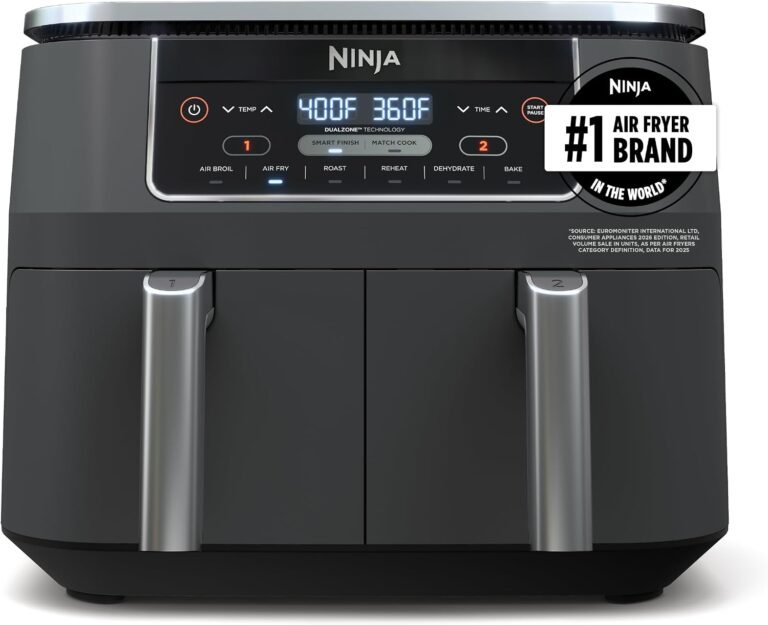
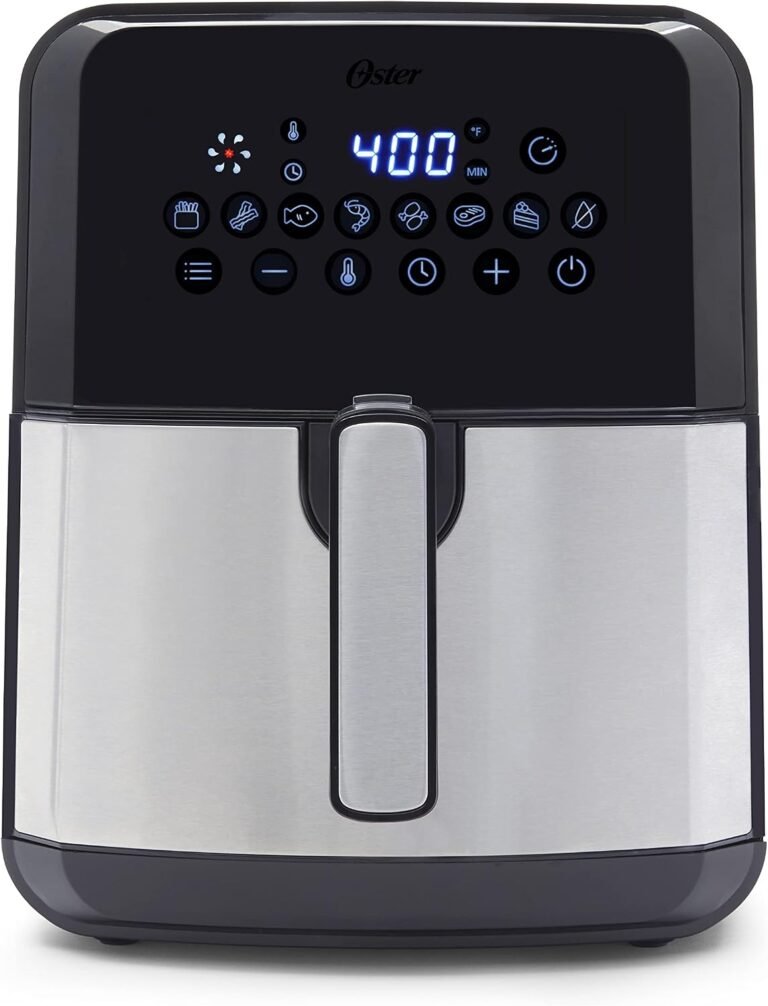
Let’s talk about the control panel. You will likely see either a dial or a digital touchscreen. We found that the simpler the panel, the easier the experience. You only need to worry about two things: temperature and time.
Temperature controls how hot the air gets. Most recipes call for a range between 300°F and 400°F. The timer simply turns the machine off when you are done. Once you understand these two functions, you can cook almost anything.
What About the Preset Buttons?
Those little pictures of chicken or fries are shortcuts. They automatically set a temperature and time for you. They are helpful, but they are not mandatory. We found that presets are a great fallback, but custom settings give you the best results for your specific food size and brand.
If you do not use a preset, that is fine. The air fryer will not break. You simply adjust the time based on what you see when you open the basket. This trial-and-error method is how most home cooks learn and adapt quickly.
Why This Appliance Is Faster Than an Oven
Speed is a huge part of why an air fryer feels easy. A regular oven can take 10 to 15 minutes to preheat. An air fryer is ready in about 3 minutes because it is so small and the fan moves heat instantly. This saves you valuable time on a busy weeknight.
Because the cooking chamber is compact, the heat surrounds the food immediately. There is no big empty space to heat up. You get the same roasted or baked effect in roughly half the time. Many experts say that smaller spaces simply heat more efficiently.
This also means you are more likely to use it, which is the real secret. If dinner takes 20 minutes instead of 50, you will cook at home more often. That ease of use translates into better habits and less takeout.
No Need for a Long Preheat Step
You can skip the preheat step entirely on most models. Just set the timer and place the food in the basket cold. The fan will circulate the air immediately, and the food will start cooking right away. This is one less step to worry about.
If you want extra-crispy results, you can run the air fryer empty for 3 minutes. But honestly, we found that this step is optional for most everyday foods like nuggets, veggies, or reheated pizza. The direct hot air does the job anyway.
Healthy Cooking Without Extra Effort
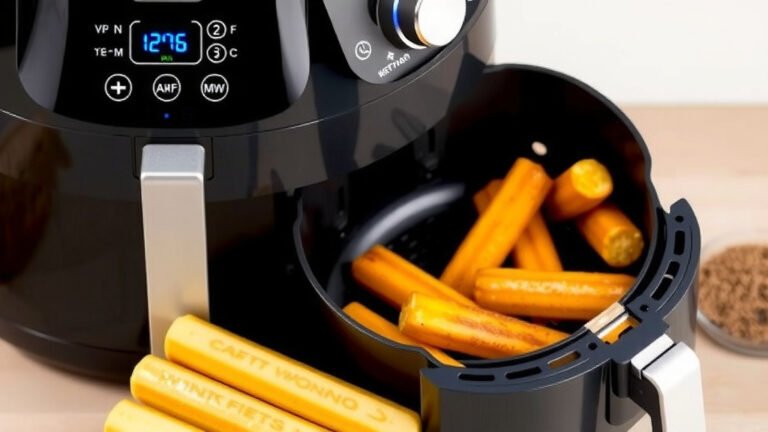
You might think that crispy food requires lots of oil. That is not the case here. You only need a light spray of oil to help browning. You can also use zero oil for foods like frozen mozzarella sticks or reheated items. The hot air does the heavy lifting.
Many guidelines point to air frying as a simple way to reduce fat intake compared to deep frying (Cleveland Clinic). You still get that satisfying crunch, but you skip the heavy oil bath. It is an easy swap that you do not have to think too hard about.
This makes meal prep easier. You can toss some broccoli with a tiny drizzle of oil and a sprinkle of salt, and you have a side dish that tastes roasted, not steamed. It is a simple way to add more vegetables to your plate without fussy techniques.
The Cleaning Routine Is Short
Cleanup is often the part that keeps people from cooking. With an air fryer, the basket and the tray come out. Most of them have a non-stick coating that wipes clean easily. Some are even dishwasher safe, which simplifies the entire process.
You should wash the basket with warm soapy water after each use to keep it working well. Pay attention to the manufacturer’s instructions to confirm dishwashing safety. A quick rinse and a scrub take less than two minutes, unlike a greasy oven tray.
We found that keeping the basket clean prevents smoke and odors later. A clean machine is a happy machine. This small habit keeps your air fryer performing like new for months and makes every future meal easier to start.
Which Foods Are the Easiest to Start With?
Start with foods that you already know how to cook on a tray. Frozen foods are perfect because they are pre-cooked and only need crisping. Fresh chicken and vegetables are also great, but they require a little more attention to timing.
Do not overwhelm yourself with complex recipes on day one. The best approach is to pick one food and cook it. Once you see how golden and crispy your fries turn out, you will feel ready to experiment with other ingredients.
| Food Type | Starting Temperature | Approximate Time | Difficulty |
|---|---|---|---|
| Frozen French Fries | 400°F | 12–15 minutes | Very Easy |
| Chicken Nuggets | 380°F | 8–10 minutes | Very Easy |
| Fresh Broccoli | 370°F | 7–9 minutes | Easy |
| Boneless Chicken Breast | 360°F | 15–18 minutes | Moderate |
| Reheating Pizza | 340°F | 3–5 minutes | Trivial |
Use this table as a general guide. Every air fryer is slightly different, just like every oven. Check your food a few minutes early to avoid overcooking. You will quickly learn what works best for your specific machine and your taste preferences.
Frozen Is Your Best Friend
When you are in a hurry, frozen food is the smartest choice. Because it is already cooked, you are really just reheating and crisping it. There is minimal risk of undercooking. This makes it the most forgiving option for new users.
Many commercial brands even have air fryer instructions printed on the bag. These settings are usually spot-on, so you do not have to guess. That level of guidance makes an air fryer easy to use for someone who has never cooked before.
The Shake and Flip Technique
Here is the only real manual skill you need to learn: shaking the basket. You do not need to stand over it, but a quick shake halfway through cooking helps the food cook evenly. This moves the pieces around so the hot air reaches all sides.
For small items like fries or vegetables, a gentle shake is enough. For larger items like chicken thighs, you should flip them with tongs. This takes about 10 seconds of your time and makes a huge difference in the final texture.
Dense foods benefit the most from this step. Without a shake, the pieces touching the bottom might not brown as nicely. With this small habit, you will get a uniform golden color and a satisfying crunch every time.
Why You Do Not Need to Baste
Basting is a technique for grills and ovens that keeps food moist. In an air fryer, the rapid air circulation locks in moisture naturally. You do not need to open the basket every few minutes to add butter or oil. This removes a step you may associate with complicated cooking.
If you want a crispy skin on chicken, just pat the meat dry with paper towels before cooking. That is the only preparation needed. The dry surface crisps up nicely in the hot air, while the inside stays juicy and tender.
Reheating Leftovers the Right Way
Reheating with an air fryer will change how you think about leftovers. A microwave turns a crispy slice of pizza into a soggy mess. An air fryer brings that crisp texture right back. This is perhaps the most satisfying use of the machine one week in.
The rapid heat removes residual moisture from the surface of the food. That is why the crust crisps up. Use a lower temperature, around 325°F, to heat the food through without burning the outside. This gives you a meal that tastes freshly made.
Just place your leftover in the basket and set a short timer. You can check it after a few minutes. We found that reheating is so quick that you rarely need to go over the five-minute mark for most restaurant takeout or home-cooked meals.
The Quick-Start Checklist for Beginners
Follow this simple list to feel comfortable from the very first use. We found that these five steps cover 90% of everyday air fryer cooking. You can keep this list in mind or write it down on a sticky note for your first week of use.
- Place the air fryer on a flat, heat-safe surface away from the wall.
- Plug it in and turn the dial or press the power button to preheat for 3 minutes.
- Put your food in the basket. Do not overcrowd it; leave space for air circulation.
- Set the temperature based on the food type or the package instructions.
- Shake the basket halfway through the cooking time.
- Check the food a few minutes early and add time only if needed.
That is the whole process. There is no soaking, no marinating, and no constant stirring. Once you complete this cycle a few times, you will not need the list anymore. It becomes second nature.
Remember that every machine has its own personality. Some run hotter than others. The first time you cook a new food, just peek at it midway. This small check-in prevents surprise outcomes and helps you dial in your perfect settings quickly.
Conclusion
You do not need to be a skilled cook to get great results with an air fryer. The whole point is convenience: set the temperature, set the timer, and let the hot air do the work. You save time on preheating, you skip the messy oil, and you clean up in minutes.
Start with something simple like frozen fries. Use the preset buttons if you want, but do not be afraid to adjust the settings. A quick shake halfway through is the only real skill you need. Once you nail that first batch, you will feel confident trying chicken, veggies, and even reheating pizza.
Your next step is simple: pick one food and try it tonight. You will see for yourself how stress-free this little countertop appliance can be.
Frequently Asked Questions
Do you need to preheat an air fryer every time?
No, you do not need to preheat every time. Most models work fine if you just add a few extra minutes to the cook time. For crispy results on foods like fries, a quick 3-minute empty preheat helps. But for everyday cooking, you can skip it without any issues.
Can you put aluminum foil in an air fryer?
Yes, you can use aluminum foil, but you need to be careful. Place the foil in the basket and make sure it does not cover the fan or block airflow. Also, avoid putting foil under acidic foods like tomatoes. Check your manual first, since some brands give specific instructions about foil use.
How much oil should you use in an air fryer?
You only need a light spray or a teaspoon of oil for most foods. The hot air does the crisping, so you do not need a heavy coating. Use a spray bottle or a brush to apply a thin layer. This keeps the food tasty but still much lighter than deep frying.
Why is my air fryer smoking?
Smoking usually happens when there is leftover grease or food bits in the basket. It can also happen if you cook very fatty foods like bacon at a high temperature. Wipe the basket clean before each use and lower the temperature for fatty meats. If it keeps smoking, unplug it and let it cool down.
Can you cook raw meat in an air fryer?
Yes, you can cook raw meat safely in an air fryer. Chicken breasts, pork chops, and even steak work well. Just use a meat thermometer to check the internal temperature. The air fryer cooks fast, so it is easy to overcook thin cuts. Check your meat a few minutes early to keep it juicy.