Induction Cooktop Pans: Which Ones Work Best
Yes, your current cookware can work on an induction cooker if it has magnetic properties. Induction cooktops use magnetism to heat your pans directly. This means that pots and pans made of cast iron or magnetic stainless steel are your best bet. If a magnet sticks to the bottom of your pan, it’s likely induction-compatible!
Choosing the right cookware is key to a smooth induction cooking experience. Not all materials are created equal when it comes to magnetism. We found that materials like aluminum, copper, and glass won’t work unless they have a special magnetic layer added. This can make knowing which pans to grab a little confusing at first.
- You need pans with magnetic bottoms for induction.
- Cast iron and magnetic stainless steel work best.
- Check if a magnet sticks to your pan.
- Aluminum, copper, and glass usually don’t work alone.
- Look for the induction symbol on your cookware.
Let’s break down exactly what makes a pan induction-ready and how you can test your existing cookware.
What Cookware Works on an Induction Cooktop?
You’re wondering if your favorite pots and pans will make the cut for your new induction cooktop. It’s a common question! The good news is many of your existing pots and pans might just be induction-ready. The key lies in a simple test: magnetism.
The Science Behind Induction Cooking
Induction cooktops are pretty neat. They use electromagnetic fields to heat your cookware directly. Think of it like a magnetic connection. An electric current flows through a coil beneath the cooktop’s surface. This creates a magnetic field. When a magnetic pot or pan is placed on top, the magnetic field causes the metal to heat up quickly. This is different from traditional electric or gas stoves, which heat the burner first. This method means less wasted heat and faster cooking times!
Why Magnetism Matters
For a pan to work on induction, its base must be made of a ferromagnetic material. This is just a fancy way of saying it needs to be magnetic. Materials like cast iron and many types of stainless steel fit this bill perfectly. If your pan isn’t magnetic, the electromagnetic field won’t be able to interact with it. Therefore, it won’t heat up. It’s like trying to start a car without a battery – nothing happens!
Testing Your Current Cookware
So, how do you know if your current pans are up to the task? It’s simpler than you might think. Grab a common kitchen magnet – the kind you stick on your refrigerator works great. Here’s how to test:
- Take your magnet and try to stick it to the bottom of the pot or pan.
- If the magnet clings firmly, your cookware is likely induction-compatible.
- If the magnet slides off easily or doesn’t stick at all, that pan probably won’t work on your induction cooktop.
This simple test can save you a lot of guesswork. We’ve found that most people have at least a few pieces of cookware that pass the magnet test. It’s always worth checking before you buy new pots and pans.
Materials That Work Best
When you’re looking for cookware that is guaranteed to work on induction, some materials stand out. These are your safest bets:
Cast Iron Cookware
Cast iron is a champion on induction cooktops. Its natural magnetic properties make it a perfect match. Whether it’s enameled or bare cast iron, if a magnet sticks, it will heat beautifully. Cast iron also offers excellent heat retention, meaning your food stays warm.
Magnetic Stainless Steel
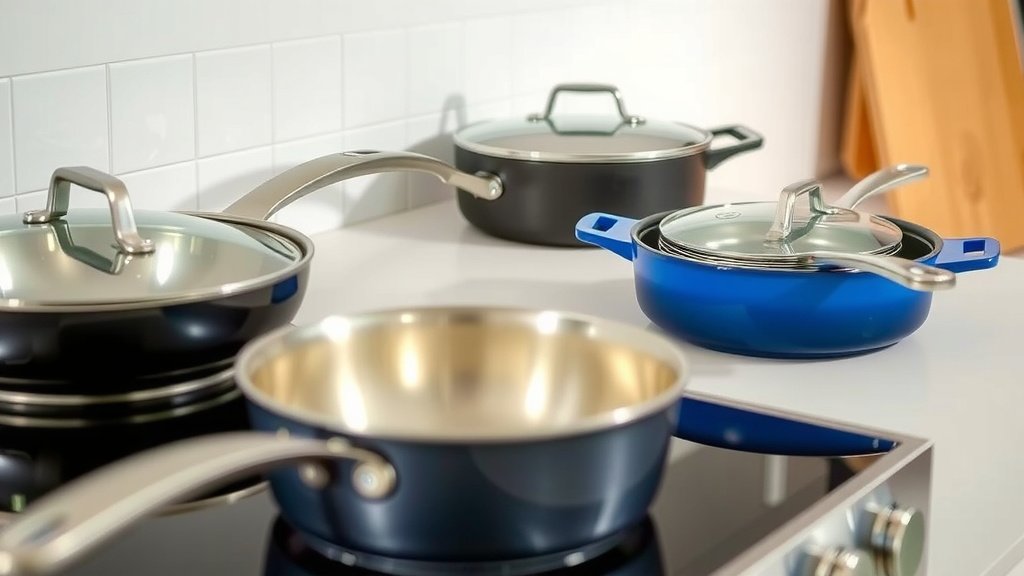
Not all stainless steel is created equal for induction. You need stainless steel that has a magnetic core or base. Many modern cookware sets are designed specifically for induction. They often use a layered construction, with a magnetic layer at the bottom. Look for cookware labeled as “induction-ready” or “induction-compatible.”
Carbon Steel Cookware
Like cast iron, carbon steel is highly magnetic. This makes it another excellent choice for induction cooking. It’s lighter than cast iron and heats up very quickly. If you enjoy cooking with woks or skillets, carbon steel is a fantastic option.
Materials That Typically Don’t Work (Unless Modified)
Some common cookware materials just don’t have the magnetic properties needed for induction. However, there are ways around this!
Aluminum and Copper
Pure aluminum and copper are not magnetic. This means they won’t work directly on an induction cooktop. However, many cookware manufacturers add a magnetic stainless steel plate to the base of aluminum or copper pans. This “sandwich” construction allows them to be used on induction. If you have an aluminum or copper pan, check its base for a dark, magnetic layer.
Glass, Ceramic, and Non-Magnetic Stainless Steel
Cookware made entirely of glass, ceramic, or non-magnetic stainless steel will not work on induction. These materials simply do not interact with the magnetic field. If you love your glass casserole dishes or ceramic pots, you’ll need to use them with a conventional oven or stovetop.
Cookware Adapters for Induction
What if you have a beloved pan that isn’t induction-compatible? Don’t despair! You can use an induction disk adapter. This is essentially a flat metal plate that you place between the induction cooktop and your non-magnetic pan. The adapter heats up from the induction field and then transfers heat to your pan. While it works, it’s less efficient than direct induction cooking. You might notice a slight delay in heating and some heat loss.
Many experts suggest that using an adapter is a temporary solution. The best experience comes from cookware designed specifically for induction. Think of the adapter as a bridge, not the destination.
Look for the Induction Symbol
The easiest way to be sure is to look for a specific symbol on your cookware. Many manufacturers now include an “induction symbol” on their pans. This symbol typically looks like a series of loops or coils. You might see it stamped on the bottom of the pan or on its packaging. When in doubt, this symbol is your quick confirmation.
Here’s a quick summary to guide your cookware choices:
- Magnetic is Key: If a magnet sticks, it’s probably good to go.
- Best Bets: Cast iron and magnetic stainless steel are your go-to materials.
- Check the Base: For aluminum and copper, ensure there’s a magnetic layer.
- Symbols Matter: Look for the induction symbol on new cookware.
- Adapters Exist: Use an adapter if your favorite pan isn’t magnetic, but direct induction is better.
- Avoid Alone: Pure glass, ceramic, and non-magnetic stainless steel won’t work.
Conclusion
You’re now well-equipped to navigate the world of induction cookware! Remember, the key is magnetism. A simple magnet test is your best friend for checking existing pans. When buying new, prioritize cast iron, carbon steel, or magnetic stainless steel. Even if your favorite non-magnetic pan doesn’t work directly, an adapter can offer a workaround. Make sure to look for that induction symbol on new purchases. Your next step? Grab that magnet and start testing your current collection. You might be surprised by what you already have!
Frequently Asked Questions
Can I use my favorite non-stick pan on an induction cooktop?
It depends on the pan’s construction. Purely non-magnetic non-stick pans, like those made solely of aluminum or copper, won’t work. However, many non-stick pans are made with a magnetic stainless steel base. If a magnet sticks firmly to the bottom, you’re good to go!
Will my glass baking dishes work on an induction stove?
Unfortunately, glass itself is not magnetic and will not heat directly on an induction cooktop. You would need to place your glass dish onto a separate induction disk adapter. This adapter heats up first and then transfers heat to the glass dish.
How can I tell if my stainless steel pans are induction-compatible?
The best way is the magnet test. If a refrigerator magnet sticks strongly to the bottom of your stainless steel pan, it’s likely induction-compatible. Many modern stainless steel cookware sets are made with a magnetic layer for induction use.
What happens if I put a non-magnetic pan on an induction cooktop?
If you place a pan that isn’t magnetic on an induction cooktop, nothing will happen. The cooktop’s electromagnetic field requires a ferromagnetic material to create heat. Your pan simply won’t get hot, and your food won’t cook.
Are there any benefits to using induction-specific cookware?
Yes! Cookware designed specifically for induction often has a perfectly flat, thick base. This ensures maximum contact with the cooktop, leading to more efficient heating and faster cooking times. You’ll also get more even heat distribution across the pan’s surface.