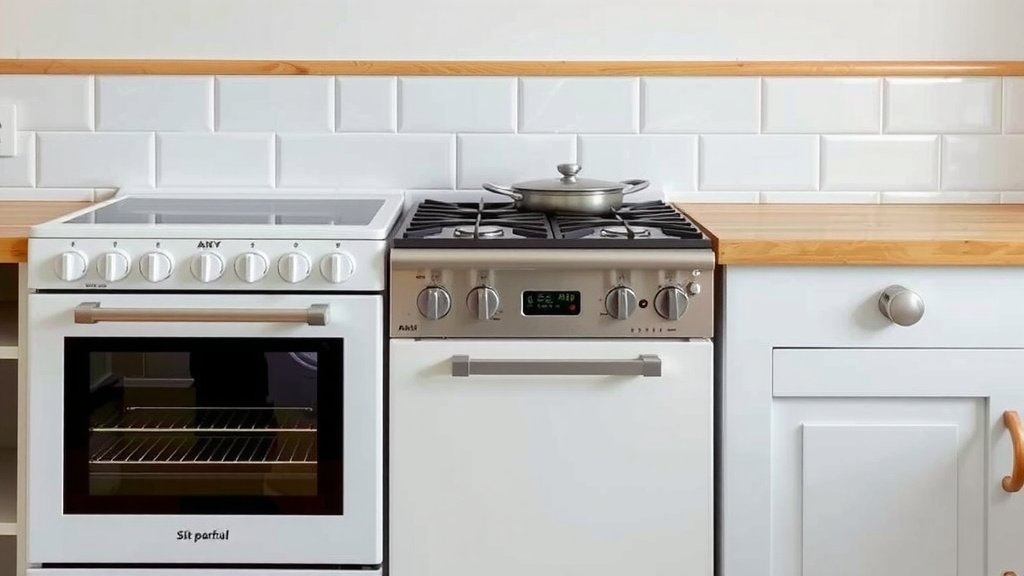
Gas vs Electric Cooker: Which is Cheaper to Run
When deciding between a gas or electric cooker, gas is generally cheaper to run To compare, our guide to electric cooker running costs explains their typical hourly expense. in the United States. This is primarily because natural gas is typically more affordable than electricity. You might see lower monthly energy bills with a gas model. It’s a common reason many households choose gas.
While the initial purchase price can vary, the ongoing cost of powering your kitchen appliance matters most. We’ve found that for many homeowners, the long-term savings of gas are quite compelling. Factors like your local utility rates play a big role in this comparison.
- Gas cookers often have lower operating costs.
- Electricity prices can be higher per unit of energy.
- Consider your local utility rates for the best comparison.
- Some people prefer the precise heat control of gas.
Let’s break down the cost differences and what factors influence them so you can make the best choice for your home.
Running Costs: Gas vs. Electric Cookers
When you’re looking at which cooker to buy, thinking about the long-term running costs is super important. You’re probably wondering if a gas cooker will be cheaper to run than an electric one. We’ve looked into it, and generally, you’ll find that gas cookers tend to cost less to operate month-to-month here in the U.S.
Understanding Energy Units and Costs
The main reason for this difference boils down to how we price energy. Think of it like buying gas for your car versus charging an electric car. The price per unit of energy is often lower for natural gas than for electricity.
For instance, a British Thermal Unit (BTU) of natural gas is typically cheaper than a BTU of electricity. This means you get more heating power for your dollar with gas. Energy companies set these prices based on supply, demand, and how the energy is produced.
BTU Explained Simply
A BTU is just a standard way to measure heat energy. We use it to compare how much energy different fuels give off when burned or used. More BTUs mean more heat. So, if gas gives you more BTUs for less money, it’s going to be cheaper to run your stove.
The Price of Electricity
Electricity prices can fluctuate quite a bit. They often depend on where you live and the time of day you use the most power. Some areas have higher electricity rates than others. This is usually due to the cost of generating and delivering that power to your home. Factors like a city’s reliance on coal versus renewable sources can impact your bill.
We found that the average cost per kilowatt-hour (kWh) for electricity is often higher than the cost per therm for natural gas. A therm is a unit of energy used for natural gas. This fundamental price difference is a big driver for the overall running cost comparison.
The Price of Natural Gas
Natural gas prices are also variable. They can change with global markets and local infrastructure. However, in most parts of the United States, natural gas is consistently more affordable than electricity on a per-unit-of-energy basis. This makes gas cookers attractive for budget-conscious households.
You’ll want to check your local utility bills. This is the best way to see the actual prices you’d pay. Your specific rates will give you the clearest picture for your own situation. It’s like checking the gas price at your local station versus a national average.
Factors Beyond Just Price Per Unit
While the cost of the energy itself is a major factor, other things can influence your total expenses and overall satisfaction with your cooker.
Initial Purchase Price
It’s worth noting that the initial cost to buy a gas cooker can sometimes be higher than a basic electric model. However, if you have gas lines already installed in your home, this cost might be less of a concern. If you don’t have gas lines, you’ll need to factor in installation costs, which can be significant.
Electric cookers, especially induction models, can also have a higher upfront price tag. They often require special wiring. So, the purchase price comparison isn’t always straightforward. It depends on the features and the type of cooker you’re looking at.
Efficiency Matters Too
How efficiently a cooker uses energy is also a key consideration. For a long time, gas cookers were considered less efficient because some heat escapes around the pot. However, modern gas stove burner designs have improved this. They direct heat more effectively.
Electric cookers, particularly smooth-top radiant electric stoves, are generally more efficient at transferring heat directly to the pot. But, as we’ve discussed, the lower cost of gas per unit of energy often outweighs this efficiency difference in terms of total running cost.
What About Induction?
Induction cooktops are a type of electric cooking. They use electromagnetic fields to heat the cookware directly. This makes them incredibly efficient, often more so than even the best gas stoves. They heat up incredibly fast and offer precise temperature control. However, induction cookers can have a higher purchase price and require specific types of cookware. We found that their running costs can be competitive with gas due to their high efficiency, but the upfront investment is something to consider.
Maintenance and Repairs
When it comes to maintenance, both types of cookers generally require minimal upkeep. You’ll want to keep them clean, of course. For repairs, it can vary. Some experts suggest that gas components might be simpler and easier to fix than some of the electronic controls found on modern electric models. However, parts availability and repair costs can differ greatly depending on the brand and model.
Comparing Your Home Energy Bills
Let’s think about what this means for your monthly energy bills. If your home is already set up for natural gas, switching to or keeping a gas cooker will likely result in lower energy expenses compared to an electric model, assuming typical U.S. utility rates. This is the most compelling reason for many people to choose gas.
The Role of Local Utility Rates
We cannot stress this enough: your local utility rates are the ultimate deciding factor. If you live in a region where electricity is unusually cheap and natural gas is expensive, the tables could turn. It’s always wise to look at your past energy bills or contact your utility providers to get accurate pricing information for your specific area.
For example, some areas might have special rates for electric heating or cooking. Or, perhaps your natural gas provider has seasonal price hikes. Gathering this local data will help you make the most informed decision for your budget.
Potential for Savings Checklist
Here’s a quick way to think about potential savings:
- Check the price per unit of energy for natural gas and electricity in your area.
- Compare the BTU output versus the cost for both fuel types.
- Consider the efficiency ratings of the specific models you’re looking at.
- Factor in any installation costs if you don’t have existing gas lines.
- Don’t forget to think about the lifespan and potential repair costs.
- Look at your current energy bills to estimate your usage.
What Experts and Consumers Say
We found that many consumer reports and energy-saving guides consistently point to natural gas as being the more economical choice for cookers in the U.S. This is based on average energy prices. Homeowners often report seeing lower utility bills after switching to gas, especially if they were previously using a high-wattage electric range.
However, there are also many who prefer electric for other reasons, such as ease of cleaning or specific cooking preferences. The desire for precise heat control is often cited by gas users. Ultimately, while gas often wins on cost, your personal needs and local energy prices are key.
| Energy Type | Typical Cost Per Unit (US $) | Notes |
|---|---|---|
| Natural Gas (per therm) | $1.00 – $2.50 | Price varies by region and season. Generally cheaper per BTU. |
| Electricity (per kWh) | $0.13 – $0.18 | Rates vary significantly by state and time of use. Higher cost per BTU. |
Note: These are general averages and can vary greatly. Always check your local utility rates for accurate comparisons.
Conclusion
So, as you can see, a gas cooker often comes out cheaper to run than an electric one in the U.S. This is mainly thanks to the lower price per unit of energy for natural gas. While upfront costs and efficiency can vary, the monthly savings on your energy bills are usually a big win for gas. Don’t forget to check your local utility rates, though! They are the real key to understanding what’s best for your specific situation.
Your next step is to look at your utility bills. Compare the cost of a therm of gas to a kilowatt-hour of electricity in your area. This simple check will give you the clearest picture of your potential savings.
Frequently Asked Questions
Will my gas cooker’s performance be affected by price fluctuations?
While the price of natural gas can change, its cost per unit of energy generally remains lower than electricity. This means even with fluctuations, gas cooking typically stays more budget-friendly. Your actual bill depends on how much you cook and your local gas rates.
Are induction cooktops really more expensive to run than gas?
Induction cooktops are very efficient, which can make their running costs competitive with gas, even though electricity is usually pricier per unit. However, the initial purchase price for induction can be higher, and you might need special cookware. You’ll want to weigh the upfront cost against potential long-term savings.
What if I don’t have a natural gas line to my home?
If you don’t have a gas line, the installation cost can be substantial. In this case, an electric cooker might be a more practical and less expensive option initially. You’ll need to get quotes for gas line installation to compare it with the cost of an electric setup.
How does the cooking performance of gas vs. electric differ?
Many chefs prefer gas for its instant heat control and visible flame, allowing for quick adjustments. Electric cookers, especially smooth-tops, offer easier cleaning. Induction, a type of electric, provides very fast heating and precise temperature control, similar to gas but through a different mechanism.
Are there any hidden costs with gas cookers I should know about?
Besides the purchase price and installation if needed, a potential hidden cost could be the need for a surge protector if you have a gas range with electronic ignition. Also, ensure your home’s ventilation is adequate, as with any cooking appliance. Regular maintenance can prevent more costly repairs down the line.