Slow Cooker Safety: Is It Safe to Leave on Unattended
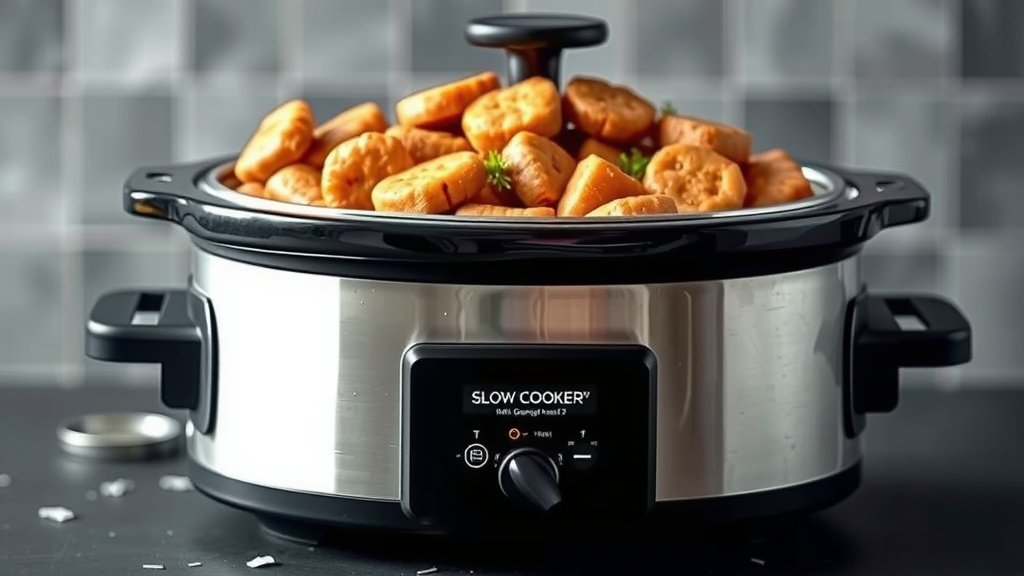
Yes, a slow cooker is generally safe to leave on unattended, especially for extended cooking periods. Most modern slow cookers are designed with safety features to prevent overheating. They use low, consistent temperatures which makes them a reliable appliance for cooking food safely while you’re out of the house or asleep. We found that when used correctly, they pose minimal risk.
Leaving your slow cooker on is a convenience many home cooks rely on. It’s perfect for busy schedules, allowing you to prepare meals without constant monitoring. However, it’s important to ensure your slow cooker is in good working condition and placed on a heat-resistant surface to avoid any potential hazards. Many manufacturers explicitly state their appliances are safe for overnight use.
- Slow cookers are designed for safe unattended operation.
- Always use them on a heat-resistant surface.
- Ensure your appliance is in good working order.
- Check for cracks or damage before use.
- Modern units have built-in safety mechanisms.
Below, we’ll go over the key safety considerations to keep your mind at ease and your meals delicious. Let’s make sure you’re using your slow cooker the safest way possible. Understanding slow cooker temperature is crucial for safe unattended operation.
Understanding Slow Cooker Safety for Unattended Use
Can you leave your slow cooker on while you’re not home? Yes, generally you can. Modern slow cookers are designed with your busy life in mind. They offer a safe way to cook meals over many hours. We found that most units are built for long cooking times without supervision. This makes them a popular choice for busy families and individuals.
Leaving a slow cooker on unattended is a convenience that many people rely on. It’s perfect for prepping dinner before you head to work or leaving a stew to simmer while you run errands. However, it’s super important to make sure your appliance is in good working condition. Placing it on a stable, heat-resistant surface is also key to preventing any accidents. Many manufacturers explicitly state their appliances are safe for overnight use, which is a good sign!
How Slow Cookers Work Safely
Slow cookers use low, consistent temperatures to cook food slowly. This process is quite energy-efficient. It also helps tenderize tougher cuts of meat. The sealed lid traps moisture and heat, creating a moist cooking environment. This means less liquid is usually needed compared to other cooking methods. The low temperatures mean less risk of rapid boiling or burning, contributing to their safe operation.
Most modern slow cookers have built-in safety mechanisms. These are designed to prevent overheating and regulate the temperature. They typically operate between 170°F (77°C) on the ‘Low’ setting and 200°F (93°C) on the ‘High’ setting. These temperatures are well within the safe zone for cooking food and keeping it warm. This controlled heat is what makes them a reliable appliance for extended cooking periods.
Key Safety Checks Before You Leave It On
Before you plug in your slow cooker and leave it to do its magic, a few quick checks can give you peace of mind. Think of it like giving your car a quick once-over before a long road trip. A little attention upfront can prevent potential problems down the road.
Inspect Your Slow Cooker’s Condition
First, check the appliance itself. Look for any cracks or damage to the ceramic insert (crock) or the outer casing. A damaged crock could crack further under heat, potentially causing a mess or a safety hazard. Also, inspect the power cord for any fraying or damage. If you notice anything concerning, it’s best to replace the unit or have it professionally serviced.
Ensure Proper Placement
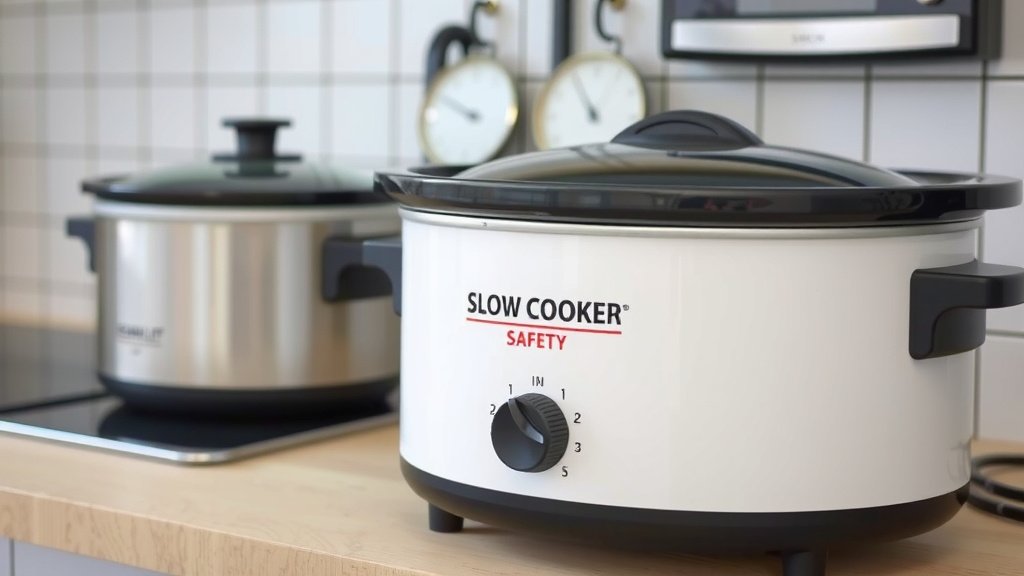
Where you put your slow cooker matters a lot. Always place it on a stable, heat-resistant surface. This means avoiding flimsy tables, tablecloths, or placing it directly on your countertop if it’s not heat-proof. A sturdy kitchen counter or a heat-resistant mat is ideal. Make sure there’s plenty of clearance around the unit; don’t crowd it with other items.
Ventilation is Important
Slow cookers generate heat, and like any appliance, they need a little breathing room. Ensure there’s adequate ventilation around the slow cooker. Don’t cover it with anything. Keep it away from curtains or other flammable materials that could easily catch fire. We found that leaving at least a few inches of space on all sides is a good rule of thumb.
Using the Right Lid
The lid is designed to seal in heat and moisture. Always ensure the lid is properly seated on the crock. A loose-fitting lid can let heat escape, affecting cooking times and potentially causing the unit to work harder. Some lids have small vents; make sure these aren’t blocked.
What Not to Cook for Extended Unattended Periods
While slow cookers are generally safe, there are some food types that might be better cooked when you’re home. This is especially true if you’re a bit of a novice slow cooker user.
High-Risk Foods
Foods that are particularly prone to spoilage if not kept at a consistent, safe temperature should be monitored closely. This includes certain dairy products or dishes with delicate seafood. While slow cookers keep food warm, the temperature might not always be high enough to prevent bacterial growth in certain sensitive ingredients over very long periods.
Overfilling the Crock
Don’t fill your slow cooker more than two-thirds full. Overfilling can cause food to cook unevenly or spill over the sides. Spilled food can be a fire hazard, especially if it drips onto the heating element. It can also make a sticky mess that’s hard to clean.
When to Avoid Leaving Your Slow Cooker Unattended
Are there times when you absolutely shouldn’t leave your slow cooker on by itself? Yes, there are a few scenarios to consider. It’s all about being practical and making sure your appliance is ready for the task.
Appliance Age and Condition
Older slow cookers, especially those that predate modern safety standards, might not have the same safety features. If your slow cooker is very old or shows signs of wear and tear, it might be safer to use it only when you’re home. Research suggests that electrical components can degrade over time. If you’re unsure about your older model’s safety, err on the side of caution.
Power Outages and Surges
What happens if the power goes out and then comes back on? If a power outage occurs, food may sit in the “danger zone” (between 40°F and 140°F or 4°C and 60°C) long enough for bacteria to multiply. Once the power is restored, the slow cooker will resume cooking, but the food may have already become unsafe to eat. The USDA advises discarding perishable food left in this temperature range for more than two hours. So, if you’re leaving it for a very long time, a power interruption could be a problem.
Travel and Distance
If you’re leaving your slow cooker on for an extended period, say 10-12 hours or more, and you’ll be far away, it’s worth considering the potential for minor issues to become major. While rare, small problems can sometimes escalate. For extremely long durations, some recommend staying within a reasonable distance or checking in periodically if possible.
Slow Cooker Safety Checklist
To ensure your slow cooker is safe for unattended use, run through this quick checklist:
- Confirm your slow cooker is in good working order.
- Check the power cord and crock for any damage or cracks.
- Place the slow cooker on a stable, heat-resistant surface.
- Ensure adequate ventilation around the appliance.
- Do not fill the crock more than two-thirds full.
- Always use the correct, securely fitting lid.
Understanding Your Slow Cooker’s Manual
Every slow cooker is a little different. Your appliance’s user manual is your best friend for specific safety guidelines. It will often contain manufacturer recommendations for unattended cooking. We found that manufacturers usually provide detailed information on their product’s safe operating parameters. Always refer to your manual for the most accurate advice for your specific model.
For example, some manuals will explicitly state if overnight cooking is acceptable. Others might offer specific advice on the types of foods best suited for long cooking times. Reading through it is a small step that can provide a lot of reassurance and ensure you’re using your slow cooker correctly and safely.
Conclusion
You’ve learned that your slow cooker is a safe and convenient kitchen companion, even when you’re not around. Modern designs, combined with a few smart checks, make unattended cooking a breeze. By ensuring your appliance is in good shape, placed correctly, and used with appropriate foods, you can enjoy delicious, slow-cooked meals with peace of mind. Always remember to consult your owner’s manual for model-specific advice. Now, go ahead and plan your next set-it-and-forget-it feast with confidence!
Frequently Asked Questions
Can I leave my slow cooker on overnight while I sleep?
Yes, most modern slow cookers are designed for safe overnight use. As long as your unit is in good working order and placed on a stable, heat-resistant surface, it’s generally safe to leave it unattended while you sleep. Just ensure the lid is secure and there’s proper ventilation.
What if there’s a power outage? Is my food still safe?
If a power outage occurs, your food could enter the “danger zone” for temperatures. If the power is out for more than two hours, it’s recommended to discard perishable food to avoid bacterial growth. Once power is restored, the slow cooker will resume, but the food might already be unsafe.
Are older slow cookers safe to leave on unattended?
Older models may lack the advanced safety features found in newer slow cookers. If your unit is very old or shows signs of wear, it’s safer to use it only when you are home. Electrical components can degrade over time, so err on the side of caution with vintage appliances.
Can I leave a slow cooker plugged in but turned off?
Leaving a slow cooker plugged in but turned off is generally safe, as no heating element is active. However, it’s good practice to unplug appliances when not in use to conserve energy and eliminate any minimal electrical risk. Check your manual for specific recommendations.
What are the risks of leaving a slow cooker on a regular countertop?
Leaving a slow cooker on a regular countertop can be risky if the countertop isn’t heat-resistant. Prolonged heat can damage or warp many countertop materials, potentially leading to cracks or discoloration. Always use a heat-resistant mat or trivet to protect your surfaces.