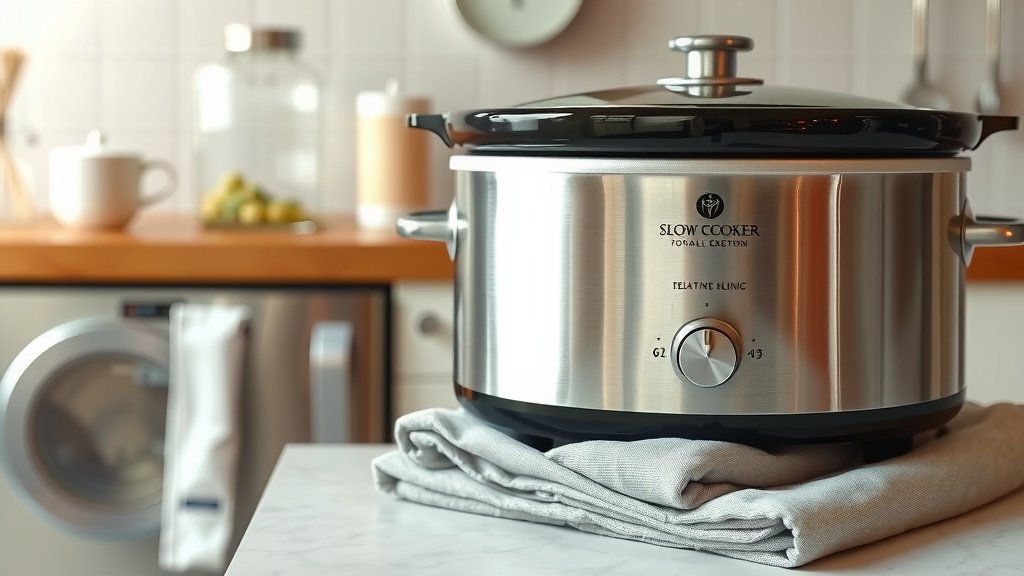
How to Clean a Slow Cooker: Easy & Effective Methods
The easiest way to clean a slow cooker is by using a gentle soap and water with a soft sponge or cloth. You can often remove most messes by simply soaking the insert. For tougher stains, a baking soda paste works wonders to lift burnt-on food without scratching.
Keeping your slow cooker clean ensures it lasts longer and your meals always taste fresh. No one wants lingering flavors from last week’s pot roast in their creamy chicken soup! Regular cleaning also helps prevent bacteria buildup, keeping your kitchen safe and hygienic.
- Soak the insert for tough messes.
- Use baking soda paste for burnt-on food.
- Wash the lid carefully to avoid damage.
- Wipe down the exterior with a damp cloth.
Ready to get your slow cooker sparkling again? Let’s walk through exactly how to make it look its best, step by step.
Keeping Your Slow Cooker Pristine
You’ve just finished a delicious meal, but now you’re faced with a sticky situation: a dirty slow cooker. Don’t worry, cleaning your slow cooker is usually a straightforward process. The most common method involves a good soak and some gentle scrubbing. This keeps your appliance in tip-top shape for future culinary adventures.
The Gentle Approach: Everyday Cleaning
For most routine cleanups, the process is quite simple. You’ll want to tackle this soon after use for the best results. Allowing food residue to dry and harden can make cleaning much more difficult.
Dealing with the Insert
The slow cooker insert is typically the dirtiest part. Most inserts are ceramic or porcelain. These materials can chip or scratch if you’re too rough. Always start with the least abrasive methods.
First, unplug your slow cooker. Wait for the insert to cool down completely. Placing a hot ceramic insert into cold water can cause it to crack. Once cool, remove the insert from the base. You can often rinse out loose food particles with warm water. If there’s still residue, add a few drops of mild dish soap to the insert. Fill it with warm water and let it soak for at least 30 minutes. This helps loosen any stuck-on bits.
Scrubbing Power (Gently!)
After soaking, use a soft sponge or cloth to wipe down the inside of the insert. Avoid abrasive scrubbers or steel wool. These can damage the non-stick coating or ceramic surface. For stubborn spots, try a nylon scrubber. These offer a bit more cleaning power without being too harsh. Rinse the insert thoroughly with clean water. Inspect it for any remaining food particles. If needed, repeat the soak-and-scrub process.
Tackling Tougher Stains: Burnt-On Food
Sometimes, despite your best efforts, food can get really stuck. Burnt-on messes are common, especially with sugary sauces or dense meats. When simple soaking doesn’t cut it, you’ll need a slightly stronger approach.
The Baking Soda Solution
Baking soda is a fantastic natural cleaner. It’s mildly abrasive, making it effective against tough grime without causing damage. Many household cleaning experts recommend it (CDC). Create a paste by mixing baking soda with a small amount of water. You want a consistency similar to toothpaste.
Apply this paste directly to the burnt-on areas inside the insert. Let it sit for 15-30 minutes. The baking soda will work to lift the burnt food particles. After the paste has sat, use your soft sponge or cloth to gently scrub the treated areas. You should find that the burnt-on food comes away much more easily. Rinse the insert thoroughly afterward.
When Baking Soda Isn’t Enough
If the baking soda paste doesn’t completely remove the stain, you can try a slightly longer soak with a bit of vinegar. Add about 1 cup of white vinegar to the insert. Let it soak for an hour or two. Vinegar is acidic and can help break down tougher residues. After soaking in vinegar, you might need to use the baking soda paste again to scrub away any remaining bits. Always rinse well after using vinegar.
Don’t Forget the Lid!
The slow cooker lid often gets overlooked, but it needs a good cleaning too. Lids are usually made of glass, and some have plastic or metal rims. Handle glass lids with care to avoid chips or cracks.
Cleaning Glass Lids
For most glass lids, warm, soapy water and a soft sponge are sufficient. Wipe down the glass surface to remove any splatters or residue. If there are tough spots, you can use the baking soda paste method described earlier. Be careful not to scrub too hard, as this could scratch the glass. Rinse the lid thoroughly and dry it completely to prevent water spots.
Handling Rims and Handles
Check the rim of the lid for any trapped food particles. You might need a soft brush, like an old toothbrush, to gently clean these areas. If your lid has plastic or metal components, clean them with soapy water. Ensure all soap residue is rinsed away. Dried soap can leave a film on the glass.
Wiping Down the Exterior
The base of your slow cooker usually houses the heating element and controls. This part is not submersible and should be cleaned very carefully.
The Exterior Base
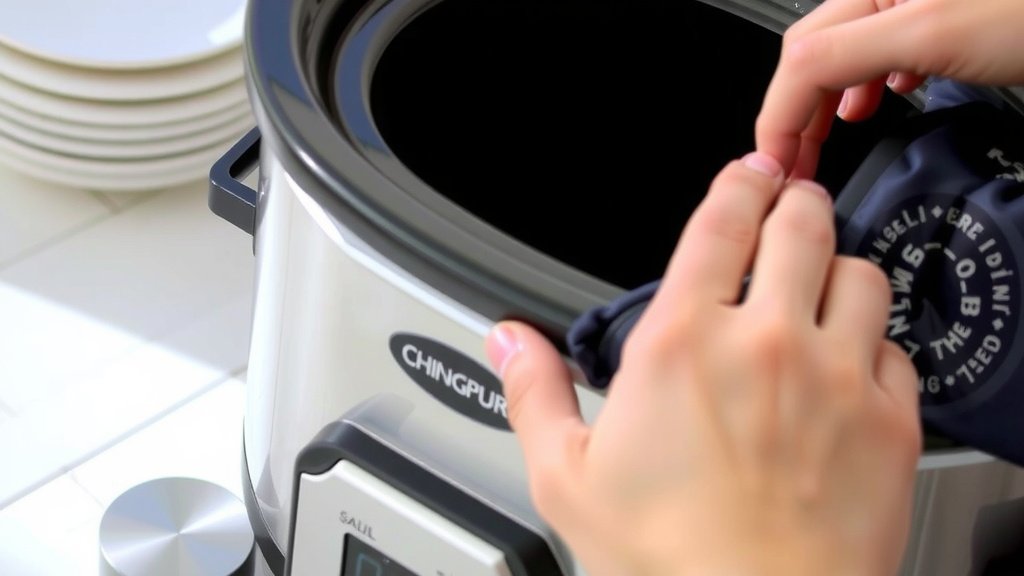
Always unplug the slow cooker before cleaning the exterior. Use a damp cloth to wipe down the outside of the base. You can use a little mild dish soap on the cloth if needed, but be sure to wring it out well so it’s not dripping. You don’t want water getting into any electrical components. Wipe away any splatters, dust, or fingerprints. Dry the exterior with a clean, dry cloth.
Keeping the Heating Element Clean
Some slow cookers have exposed heating elements around the insert. If yours does, make sure it’s cool. Gently wipe these areas with a damp cloth. Avoid using any harsh chemicals or excessive water. The goal is to remove surface debris without compromising the appliance’s function.
A Quick Checklist for Shine
Want to make sure you haven’t missed a step? Here’s a simple checklist to guide you:
- Unplug and cool down the cooker.
- Soak the insert for stubborn messes.
- Use baking soda paste for burnt-on food.
- Wash the lid gently with soft materials.
- Wipe down the exterior with a damp cloth.
- Dry all parts thoroughly before reassembling or storing.
Conclusion
You’ve learned how to keep your slow cooker in tip-top shape, from routine washes to tackling those stubborn burnt-on messes. By using gentle methods like soaking and baking soda paste, you protect your appliance’s finish. Remember to always let the insert cool and handle glass lids with care. A clean slow cooker means tastier meals and a safer kitchen for you and your family. So, give your slow cooker a good scrub, and get ready for your next delicious, effortless meal!
Frequently Asked Questions
Can I put my slow cooker insert in the dishwasher?
Many slow cooker inserts are dishwasher-safe, but it’s always best to check your owner’s manual. While the dishwasher might clean it, frequent cycles can dull the finish over time. Handwashing with a soft sponge and mild soap is generally recommended for longevity.
How do I remove discoloration from my ceramic insert?
For stubborn discoloration, try making a paste from baking soda and water. Apply it to the stained areas and let it sit for about 30 minutes before gently scrubbing with a soft sponge. Rinse thoroughly. This method is usually effective without damaging the ceramic.
What if I don’t have a soft sponge?
If you don’t have a soft sponge, a clean, soft dishcloth or a non-abrasive nylon scrubber will work well. The key is to avoid anything that could scratch or damage the insert’s surface, like steel wool or rough scouring pads.
How often should I deep clean my slow cooker?
Ideally, you should clean the insert and lid after each use. A more thorough deep clean, perhaps using the baking soda paste or a longer soak, might be needed every few uses if you notice tougher stains building up. Regular wiping of the exterior is also recommended.
Can I use harsher cleaning products like bleach?
It’s strongly advised not to use harsh cleaning products like bleach or abrasive cleaners on your slow cooker. These chemicals can damage the ceramic or non-stick coating, leave behind residue that can affect food taste, and potentially compromise the appliance’s safety.