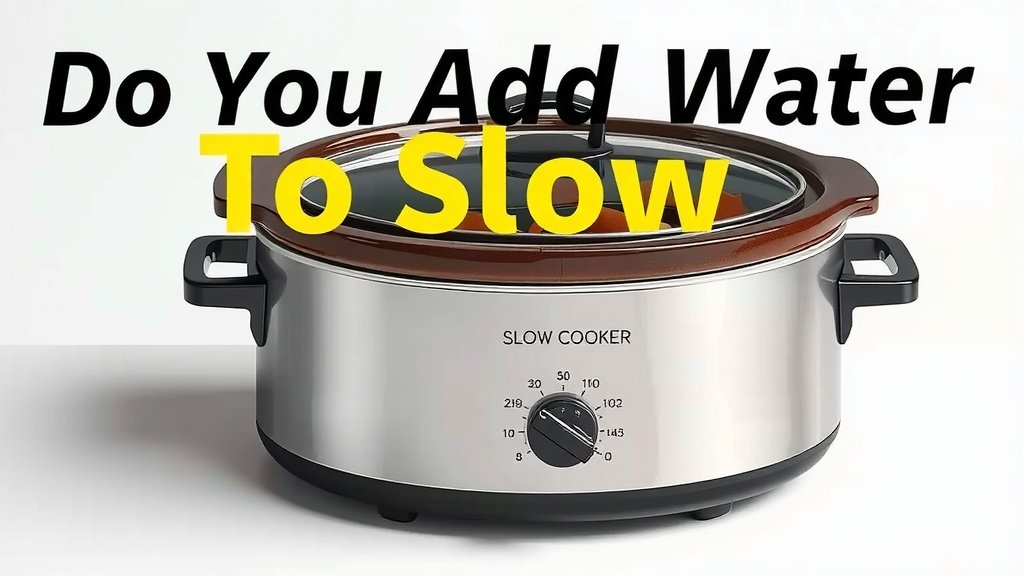
Do You Add Water To A Slow Cooker Recipes
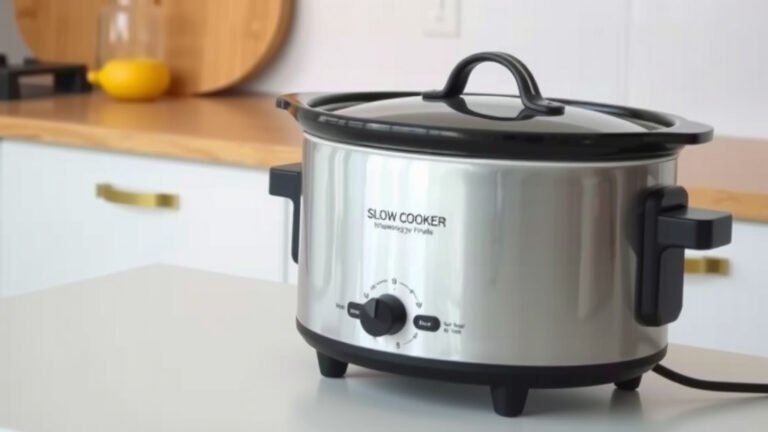
Generally, you should Understanding slow cooker settings is key to success.not add water to your slow cooker recipes unless the recipe specifically calls for it. Most slow cooker meals create their own liquid as food cooks, and adding extra water can make your dishes watery and bland.
Slow cookers work by trapping moisture. Meats and vegetables naturally release liquids during the cooking process. This creates a steamy environment that cooks your food evenly. If you add too much water, your food might not brown properly and could lose flavor.
- No Water Needed: Most recipes don’t require extra water.
- Moisture is Key: Ingredients release their own liquid.
- Avoid Blandness: Extra water can dilute flavors.
- Recipe First: Only add water if the recipe says so.
So, let’s get into the nitty-gritty about when water might be needed and how to keep your slow cooker meals perfectly seasoned!
When to Add Liquid to Your Slow Cooker
The short answer is: usually, you don’t. Your slow cooker is designed to create its own moist environment. Adding water unnecessarily can actually be detrimental to your meal’s flavor and texture. We’ve all been there, eyeing a recipe and wondering if a little extra liquid will help. But in most cases, your slow cooker is a master of moisture retention.
Think of your slow cooker like a mini greenhouse for your food. The lid seals in the steam generated by the ingredients themselves. This steam cooks everything gently and evenly. If you add too much water, you risk diluting those wonderful, concentrated flavors you’re aiming for. It’s a delicate balance, and often, less is more when it comes to added liquids.
Why Your Slow Cooker Doesn’t Need Extra Water
The magic of slow cooking lies in its ability to concentrate flavors. When you place ingredients like meats, vegetables, and sauces into the pot, they begin to release their natural juices. This is especially true for meats and vegetables like onions, celery, and tomatoes. These liquids mingle, creating a rich broth or sauce as they simmer away.
This process is called “self-braising.” The lid traps the steam, and the moisture condenses, dripping back down onto the food. It’s a self-sustaining cycle of moisture. Many recipes are formulated with this in mind. The ingredients themselves provide all the necessary liquid for a tender, flavorful result.
The Role of Ingredients in Moisture Creation
Consider a pot roast. The beef will release a good amount of fat and juice. Root vegetables like carrots and potatoes absorb moisture but also release some of their own. Even dried herbs and spices rehydrate in this steamy environment, contributing to the overall liquid content. You might be surprised at how much liquid accumulates by the end of the cooking time!
Conversely, if you’re making something like chili or a stew, the tomatoes, beans, and broth base already contain a significant amount of liquid. Adding more water would just make everything watery. You want that thick, hearty consistency, not a soupy mess. We found that relying on the ingredients’ natural moisture is key to achieving the desired texture.
When Adding Water Might Be Necessary
While the general rule is no added water, there are a few exceptions. These usually involve recipes where the primary ingredients are very dry or when you’re trying to achieve a specific consistency.
Recipes with Very Dry Ingredients
Some dishes, particularly those using leaner cuts of meat or very low-moisture vegetables, might benefit from a small amount of added liquid. Think of some types of jerky preparations or certain baked bean recipes where you’re starting with very little moisture.
In these instances, a half-cup to a full cup of water, broth, or even wine can make a difference. It prevents the ingredients from drying out completely and helps them cook more evenly. Always start with the minimum recommended amount. You can always add more later if needed, but you can’t take it away!
Adjusting for Thicker or Thinner Consistency
Sometimes, the amount of liquid released can vary. This might depend on the specific brand of canned goods you use, the freshness of your vegetables, or even the humidity in your kitchen. If you’ve finished cooking and your dish is thicker than you’d like, you can carefully add a small amount of water or broth.
Similarly, if your recipe calls for a very brothy consistency, and your ingredients haven’t released enough liquid, a bit of added water can help. We found that adding liquid *at the end* of cooking is often best for adjusting consistency. This way, you don’t over-dilute the flavors during the main cooking process.
Using Different Types of Slow Cookers
Not all slow cookers are created equal. Some models tend to run hotter or have lids that aren’t as tightly sealed. This can lead to more evaporation during cooking. If you notice your food is consistently drier than expected, you might need to add a little liquid to your recipes, even if the recipe doesn’t explicitly call for it.
It’s worth noting that ceramic insert pots can sometimes absorb a tiny bit of moisture. If yours seems to do this, a splash of liquid might be helpful. Many experts suggest understanding your specific appliance’s tendencies. You might even conduct a small test run with a simple recipe to see how much liquid it retains or loses.
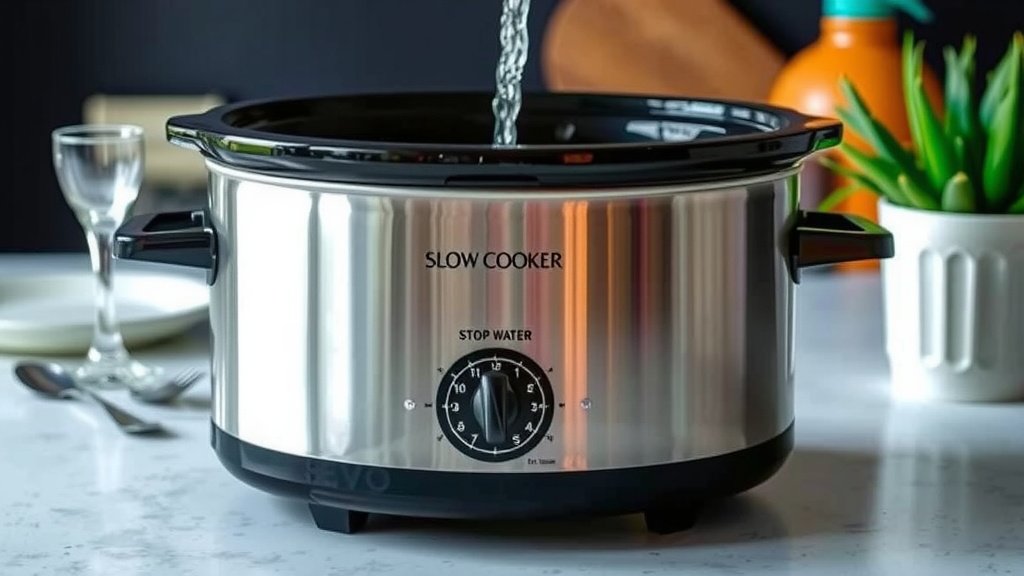
Tips for Managing Liquid in Your Slow Cooker
Getting the liquid balance right is key to slow cooker success. Here are a few pointers to help you along the way.
Always Follow the Recipe’s Lead
This is perhaps the most important piece of advice. If the recipe says “no water needed” or specifies a certain amount, trust it. Recipes are tested and refined to ensure the right balance of flavors and textures. Deviating without understanding why can lead to disappointing results.
If a recipe is written for a stovetop or oven and you’re adapting it for the slow cooker, be cautious. Stovetop and oven methods often require more liquid because of evaporation. Slow cookers minimize evaporation, so you’ll likely need to reduce the liquid called for in the original recipe. We found that cutting liquid by about half when converting is a good starting point.
Consider Your Base Liquids
When you *do* need to add liquid, think about what you’re adding. Water is neutral, but broth (chicken, beef, vegetable), stock, wine, or even a bit of juice can add another layer of flavor. These can enhance the overall taste profile of your dish.
For example, if you’re making a beef stew, using beef broth instead of water will deepen the beefy flavor. A splash of red wine can add complexity. For a chicken dish, chicken broth or white wine works wonderfully. For vegetarian dishes, vegetable broth or even a bit of tomato juice can be a great addition.
Check for Doneness and Adjust
It’s always wise to check on your food about 30 minutes before the recipe’s suggested end time. You can gauge the consistency of the sauce or liquid at this point. If it’s too thin, you have a few options:
- Remove the Lid: For the last 30-60 minutes of cooking, remove the lid. This allows some of the liquid to evaporate, thickening the sauce naturally.
- Make a Slurry: Mix a tablespoon of cornstarch or flour with an equal amount of cold water until smooth. Stir this slurry into the slow cooker during the last 30 minutes of cooking. It will thicken the liquid considerably.
- Reduce with a Saucepan: If the consistency is way off, you can remove the solids from the slow cooker, place the liquid in a saucepan, and reduce it over medium-high heat until it reaches your desired thickness.
These methods allow you to manage the liquid content without compromising the slow-cooked flavor that you love.
Slow Cooker Liquid Management Checklist
To ensure your slow cooker meals are perfectly moist and flavorful, keep these points in mind:
- Recipe is King: Always follow your recipe’s liquid instructions first.
- Trust the Cooker: Your slow cooker traps moisture; extra water is rarely needed.
- Ingredient Power: Meats and veggies release their own juices.
- Flavor Dilution: Too much water can make your food bland.
- Adjust at the End: If needed, add liquid or thicken near the end of cooking.
- Consider Your Cooker: Know if your model tends to lose moisture.
Conclusion
You’ve learned that adding water to your slow cooker is usually unnecessary. Your slow cooker excels at retaining moisture, creating its own steamy environment that cooks food perfectly. Adding extra liquid often leads to diluted flavors and a watery texture. Always trust your recipe’s guidance first, and remember that ingredients release their own juices. If you need to adjust consistency, do so at the end of cooking.
Next time you’re planning a slow cooker meal, start by assessing your recipe and understanding your slow cooker’s tendencies. You’re well-equipped to make delicious, flavorful dishes without adding extra water!
Frequently Asked Questions
What happens if I add too much water to my slow cooker?
Adding too much water can significantly dilute the flavors in your dish, making it taste bland and watery. It can also affect the texture of your food, preventing it from developing those rich, concentrated tastes you expect from slow cooking. We found it’s best to stick to the recipe’s liquid amounts.
Can I use broth instead of water in a slow cooker recipe?
Yes, you can often use broth (like chicken, beef, or vegetable) or stock instead of water. Broth can add an extra layer of flavor to your dish. Just be sure to check your recipe; sometimes, it will specify which liquid to use if any is needed at all.
My slow cooker recipe calls for water. Should I still add it?
If your recipe specifically calls for a certain amount of water, you should generally add it. Recipes are tested to ensure the correct balance. However, consider if it’s a recipe adapted from another method like stovetop cooking, as slow cookers require less liquid due to reduced evaporation.
How do I thicken a slow cooker meal if it’s too watery?
If your slow cooker meal ends up too watery, you have a few options. You can remove the lid for the last 30-60 minutes of cooking to allow excess liquid to evaporate. Alternatively, you can create a slurry with cornstarch or flour and water and stir it in during the final 30 minutes to thicken the sauce.
Does the type of slow cooker affect how much liquid I need?
Yes, the type of slow cooker can matter. Some models might have tighter-sealing lids and retain more moisture, while others might have lids that allow more steam to escape. If you notice your slow cooker consistently cooks drier, you might need to add a little extra liquid to recipes over time.