Pressure Cooker No-Goes: Foods You Can’t Cook Inside
You can’t cook certain foods in a pressure cooker because they can cause dangerous pressure buildup or simply won’t cook properly. Foods that foam, like cranberries, rhubarb, and barley, can clog the vent. Others, like bread or thick batters, are best left to conventional ovens for even cooking. Always check your cooker’s manual for a complete list of what to avoid to keep your kitchen safe and your meals delicious.
While pressure cookers are amazing for speed and tenderness, they have their limits. Think of them as powerful tools with specific jobs. Trying to cook everything in one can lead to a messy kitchen or, worse, an unsafe situation. We’ve found that understanding these limitations is key to getting the most out of your appliance without any unwelcome surprises.
- Some foods can clog the pressure cooker’s vent.
- Foaming foods are a big no-no.
- Foods needing airy or dry heat won’t work.
- Thick batters and breads are not pressure cooker friendly.
- Always consult your manual for specific warnings.
Let’s dive into the specific ingredients and dishes that are best avoided in your pressure cooker so you can cook with confidence and avoid any kitchen mishaps.
Foods Your Pressure Cooker Might Not Love
Your pressure cooker is a fantastic kitchen helper. It can make tough meats tender and cook beans in a fraction of the time. But not everything is pressure cooker material. Some foods can cause trouble. Others just won’t turn out right. We want your pressure cooking to be safe and delicious, so let’s talk about what to leave on the stovetop or in the oven.
Why Certain Foods Are Off-Limits
The main reason certain foods can’t go into your pressure cooker relates to pressure control. These appliances work by trapping steam. This steam builds up pressure, which raises the cooking temperature. If something interferes with this process, you can have a problem. This might be too much pressure, or not enough. Both can be dangerous or lead to poor results.
The Dangers of Clogged Vents
Your pressure cooker has a vent. This vent releases excess steam. It’s like the safety valve on a steam engine. Certain foods can block this vent. They might foam up excessively. Or they could swell and become sticky. If the vent gets blocked, pressure can build up too high. This is a serious safety hazard. It could lead to the lid blowing off. This is something we definitely want to avoid!
Foaming and Splattering Foods
Many experts warn against foods that tend to foam a lot. Think of pasta or grains like barley. When cooked under pressure, they can expand and create a thick foam. This foam can easily get into the pressure release valve. It can clog it up completely. Cranberries and rhubarb are also on this list. Their natural pectin can create a foamy, sticky mess. This can ruin your meal and potentially damage your cooker (American Heart Association). Excessive foam can clog the pressure release valve, creating a hazard; understanding PSI helps manage pressure safely.
Grains and Pastas
While some grains like rice are fine in moderation, others can be problematic. Large amounts of barley, wheat berries, or even oats can create a substantial foam. This foam can spread throughout your cooker. It can make a big mess. Always check your manual for specific grain recommendations. When in doubt, cook them the old-fashioned way.
Certain Fruits and Vegetables
Some fruits, especially those high in pectin like cranberries, can foam. They can create a thick sauce that might clog the vent. Rhubarb is another one. It has a tendency to break down and foam quite a bit. While you might be tempted to make a quick cranberry sauce or compote, it’s often best to do this on the stovetop.
Foods That Need a Different Cooking Environment
Pressure cookers excel at moist, high-heat cooking. They create a steamy environment. This is perfect for braising and stewing. However, some foods need different conditions to cook properly. They might need dry heat or a more airy environment.
Breads and Baked Goods
You can’t bake a cake or bread in a standard pressure cooker. These items need heat to circulate around them. They need air to rise and form a crust. A pressure cooker is a sealed, steamy environment. This will result in a dense, soggy product. It’s like trying to bake a soufflé in a sauna! Your oven is the right tool for these jobs.
Deep Frying or Searing for a Crust
Pressure cookers are designed to seal in moisture. They are not meant for cooking with oil at high temperatures. You cannot deep fry in a pressure cooker. The hot oil and steam mixture would be extremely dangerous. You also won’t get that beautiful crispy sear you get from a hot pan. For fried chicken or a perfectly seared steak, stick to your skillet or air fryer.
Specific Ingredients to Be Wary Of
Beyond general categories, some specific ingredients are often cited as no-gos for pressure cookers. These are good to keep in mind for your general cooking.
Thickening Agents and Sauces
Adding thickeners like flour or cornstarch directly into the pressure cooker at the start can be tricky. They can clump and stick to the bottom. This could cause scorching. It’s usually better to add these towards the end of cooking, or after pressure has been released. Some recipes might call for them, but it’s important to follow those instructions carefully.
Seafood that Cooks Too Quickly
Delicate seafood like fish or shrimp cooks very fast. Even in a regular pot, it can go from perfectly cooked to overcooked in moments. Under pressure, cooking times are even shorter. It’s very difficult to get the timing right. You’re likely to end up with mushy, overcooked seafood. It’s often best to steam fish or shrimp on the stovetop or in the oven.
Fried Foods
We touched on this, but it bears repeating. You cannot achieve a truly fried texture in a pressure cooker. The moist environment prevents crisping. Safety is also a major concern. Trying to fry foods in a pressure cooker is a recipe for disaster. It can lead to dangerous splattering and pressure imbalances.
A Quick Checklist for Pressure Cooker Safety
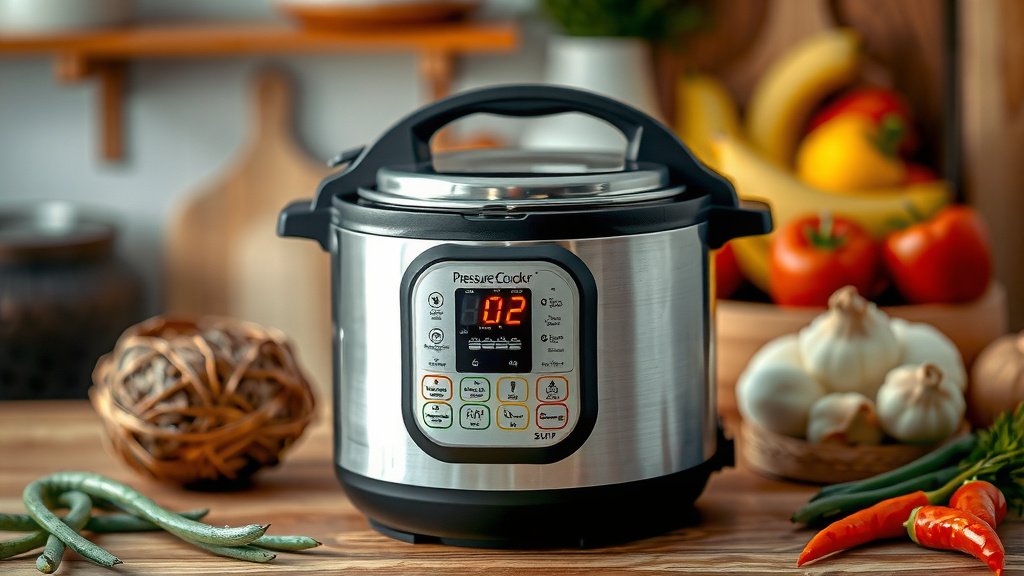
To help you remember, here’s a quick list of things to avoid putting in your pressure cooker:
- Foods that foam excessively (e.g., barley, oats, pasta)
- Foods high in pectin that can gel and clog vents (e.g., cranberries, rhubarb)
- Breads and baked goods that require dry heat
- Delicate seafood that cooks too quickly
- Anything requiring deep frying or crisping
- Thick batters or very thick stews without careful recipe following
Conclusion
Your pressure cooker is a fantastic tool, but like any tool, it has its limits. We’ve discovered that certain foods can cause dangerous pressure buildup or simply won’t cook correctly. Avoiding foamy foods, breads, and anything needing a dry, airy environment will keep your cooking safe and delicious. Always remember to consult your pressure cooker’s manual. It’s your best guide to understanding its capabilities and limitations. Now, go forth and cook with confidence, knowing exactly what to keep out of your pressure cooker!
Frequently Asked Questions
Can I ever pressure cook pasta?
Generally, it’s best to avoid cooking large amounts of pasta in a pressure cooker. Pasta can foam up significantly, potentially clogging the vent and causing a safety hazard. For best results, cook your pasta on the stovetop.
What about creamy soups or stews with thickeners?
While many soups and stews are pressure cooker stars, be cautious with heavy thickeners like flour or cornstarch added at the beginning. They can clump and scorch. It’s safer to add these towards the end of cooking or after releasing the pressure.
Is it safe to pressure cook whole eggs?
No, you should never pressure cook whole eggs in their shells. The rapid pressure change can cause them to explode inside the cooker, creating a mess and a potential safety issue. You can cook peeled hard-boiled eggs safely, but not whole, unpeeled ones.
Can I make applesauce or other fruit purees?
While some fruit recipes work well, very pectin-rich fruits like cranberries or rhubarb can foam excessively and clog the vent. Applesauce can sometimes work, but monitor it closely and ensure you don’t overfill the cooker to prevent foaming issues.
What if I want a crispy crust on my food?
Pressure cookers create a moist, steamy environment, which is the opposite of what you need for crispy textures. If you’re aiming for a crunchy exterior, like on fried chicken or a baked pie crust, your pressure cooker isn’t the right appliance for that step.