
What Is the Float Valve on a Pressure Cooker
The float valve on your pressure cooker is a safety device. It’s a small, spring-loaded part that sits on top of the lid. When enough steam builds up, this valve automatically releases it, preventing over-pressurization.
Think of it as the cooker’s pressure regulator. It’s essential for safe operation, ensuring your meals cook evenly without any dangerous build-up. We found this simple mechanism is key to the cooker’s function. It’s designed to protect you and your appliance.
- The float valve is a safety feature.
- It releases excess steam automatically.
- This prevents the pressure cooker from becoming over-pressurized.
- It’s a crucial component for safe cooking.
Below, we’ll walk you through exactly what this little valve does and why it’s so important for your pressure cooking success. Let’s get your questions answered!
Understanding Your Pressure Cooker’s Float Valve
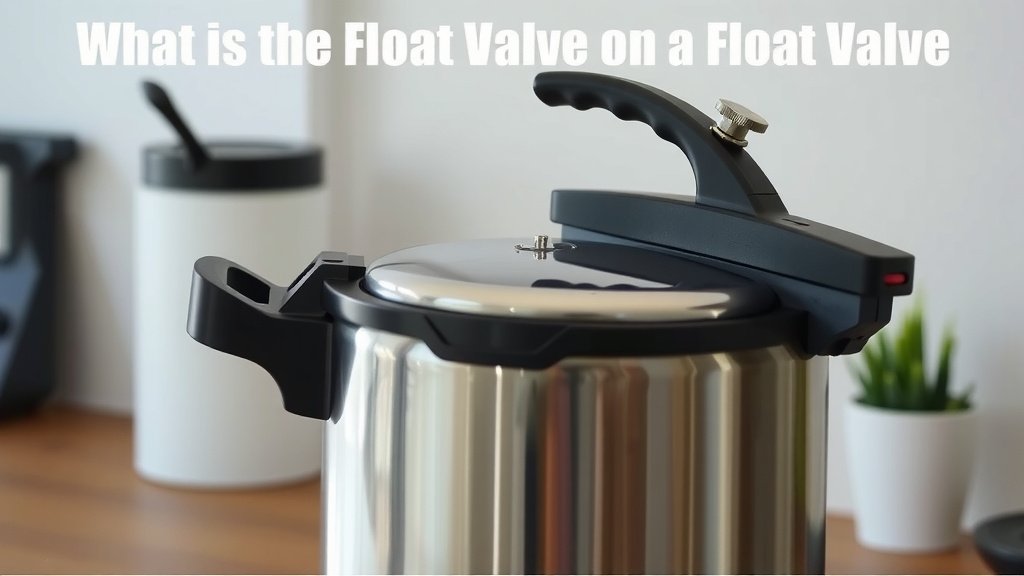
You might be wondering, “What exactly is that little metal rod sticking out of my pressure cooker lid?” That, my friend, is the float valve. It looks simple, but it’s a really smart safety feature. Its main job is to let you know when your cooker has reached the right pressure and, more importantly, to release excess steam.
Think of it like a tiny, automatic safety release valve. It pops up when the pressure inside builds up high enough. This visual cue is super helpful. It tells you that your meal is cooking under pressure. We found that understanding this part makes you feel more in control. It’s a key player in making pressure cooking safe and effective.
How the Float Valve Works Its Magic
The float valve assembly is pretty straightforward. It usually has a metal pin or rod that sits inside a housing on the lid. Inside this housing, there’s a spring and a rubber gasket. When you heat your pressure cooker, the liquid inside turns into steam. This steam starts to build pressure.
As the pressure increases, it pushes up on the spring-loaded pin from the inside. When the pressure reaches a certain point, it’s enough to overcome the spring’s resistance. The pin then lifts up and out of its seat. You’ll often see it stick up or even jiggle a bit. This is your signal that cooking has begun. It’s a simple yet brilliant mechanism!
The Role of Steam and Pressure
So, why does this steam and pressure matter? Pressure cooking works by trapping steam inside the pot. This trapped steam raises the internal temperature significantly above boiling point. Water normally boils at 212°F (100°C). But under pressure, that temperature can climb to 240-250°F (115-121°C).
This higher temperature cooks food much faster. The float valve ensures that this pressure doesn’t get out of hand. It’s like a pressure gauge and a release valve all in one tiny package. We found that many home cooks appreciate this dual function. It provides both information and safety.
When the Float Valve Does Its Job
Once your pressure cooker reaches its operating pressure, the float valve will usually pop up. Some models have a little button on top, while others just have a rod. This is the cooker’s way of saying, “Okay, we’re at pressure, let’s start the timer!” Many cooking instructions will tell you to start timing your food once the float valve is fully raised.
If the pressure gets too high for any reason (perhaps the steam vent is blocked or you’ve added too much liquid), the float valve is designed to release excess steam. It will hiss and vent steam until the pressure inside drops back down to a safe level. This prevents the cooker from becoming dangerous. Many safety guidelines highlight this as a primary protective function (National Fire Protection Association).
Components of the Float Valve System
Let’s take a closer look at the parts you might see. It’s not just one piece; it’s a small system working together.
The Valve Pin or Rod
This is the part you see sticking up. It’s usually made of metal. Its job is to rise and fall. It seals the pressure port when the cooker is at the correct pressure and opens it to vent steam if needed.
The Gasket or Sealing Ring
Beneath the pin, inside the valve housing, is usually a rubber or silicone gasket. This gasket is critical. It creates a tight seal when the pin is down, preventing steam from escaping before the cooker reaches pressure. If this gasket is worn or damaged, your cooker might not build pressure correctly.
The Spring
A spring sits under the gasket and pin. It holds the pin down, creating the seal. The spring’s tension determines how much pressure is needed to lift the pin. It’s calibrated for the specific pressure rating of your cooker. Think of it as the gatekeeper.
Why Regular Checks Are Important
Your float valve needs to be in good working order for your pressure cooker to be safe. Over time, the gasket can degrade, or the spring might weaken. Food particles can also get stuck in the mechanism.
Keeping it Clean
After each use, it’s important to clean the float valve. Remove the valve pin (if your model allows) and wash it thoroughly. Make sure no food residue is left behind. We found that this simple step prevents many common issues.
A clogged valve can’t release steam properly. This could lead to unsafe pressure buildup. Many manufacturers recommend a gentle cleaning solution. Always consult your owner’s manual for specific cleaning instructions.
Inspecting for Damage
Periodically, give the float valve a good inspection. Look for any signs of wear and tear on the gasket. Is it cracked, brittle, or misshapen? Check if the pin moves freely. If it feels sticky or stuck, it needs attention. A damaged valve is a safety risk.
Many users find that replacing the gasket or the entire valve assembly is a straightforward repair. We found that readily available replacement parts make maintenance easy. Keeping this part in tip-top shape is a small effort for great peace of mind.
Troubleshooting Common Float Valve Issues
What if your float valve isn’t behaving as expected? Here are a few common hiccups:
- Float valve won’t pop up: This could mean not enough pressure is building. Check your liquid amount, ensure the lid is sealed correctly, and inspect the gasket and valve for blockages or damage.
- Float valve hisses constantly: If it’s hissing and venting steam right from the start, the gasket might be damaged, or the valve might be stuck open. It might not reach pressure this way.
- Float valve is stuck in the up position: This usually means the valve is clogged with food debris. Try cleaning it gently. If it still won’t move, the internal mechanism might be faulty.
Remember, your pressure cooker’s manual is your best friend here. It often has a troubleshooting section specific to your model. Many safety experts advise against using a pressure cooker if you suspect a problem with the pressure release system.
Is the Float Valve the Only Safety Feature?
No, the float valve is not the only safety mechanism on your pressure cooker. Modern pressure cookers have multiple layers of protection. These are designed to work together to ensure safe operation.
| Safety Feature | What It Does | Why It’s Important |
|---|---|---|
| Float Valve | Indicates pressure is reached; releases excess steam. | Prevents over-pressurization and signals readiness. |
| Overpressure Plug | A secondary release; melts or blows out if pressure gets dangerously high. | Acts as a final failsafe if other systems fail. |
| Lid Locking Mechanism | Prevents the lid from being opened while under pressure. | Ensures the lid remains secure during cooking. |
| Steam Vent Pipe | Directs steam away from the user. | Channels steam safely during normal operation or venting. |
Having multiple safety features is standard practice in appliance design. This layered approach greatly minimizes risks. We found that understanding all these components gives users a complete picture of their cooker’s safety.
Checklist for Float Valve Health
To ensure your float valve is always ready for action, do a quick check:
- Is the valve pin clean and free of debris?
- Does the pin move up and down smoothly?
- Is the gasket intact and not cracked or brittle?
- Does the valve seal tightly when the pin is down?
- Have you consulted your manual for specific cleaning needs?
- Are there any visible signs of wear or damage?
Conclusion
You now understand that your pressure cooker’s float valve is much more than just a small metal piece. It’s your primary indicator of pressure and a vital safety release mechanism. We’ve seen how it works, why it’s important, and how simple maintenance keeps it functioning correctly.
By regularly cleaning and inspecting your float valve, you ensure safe and efficient cooking every time. Don’t hesitate to consult your manual or consider replacing worn parts. Taking these steps will give you the confidence you need for perfect pressure-cooked meals. Your next delicious meal is just a well-maintained valve away!
Frequently Asked Questions
How do I know if my float valve needs cleaning?
If your float valve seems sticky, doesn’t pop up easily when reaching pressure, or appears clogged with food debris, it’s time for a clean. It’s a good practice to clean it after every use to prevent buildup.
Can I use my pressure cooker if the float valve is damaged?
No, you should never use your pressure cooker if the float valve is damaged. A damaged valve compromises the cooker’s ability to regulate pressure safely, posing a serious risk.
What does it mean if my float valve is hissing constantly?
A constant hiss from the float valve usually indicates it’s not sealing properly or is stuck in the open position. This means pressure isn’t building correctly, and the cooker is likely unsafe to use until fixed.
Is the float valve the same as the steam release valve?
While both deal with steam, they function differently. The float valve indicates pressure and releases excess steam automatically, whereas a manual steam release valve is operated by you to vent steam when cooking is done.
Where can I find replacement float valve parts?
You can typically find replacement float valve parts on the manufacturer’s website or through online retailers that specialize in kitchen appliance parts. Always check your pressure cooker’s model number for compatibility.