What Is a Built-In Cooker? Your Guide Explained
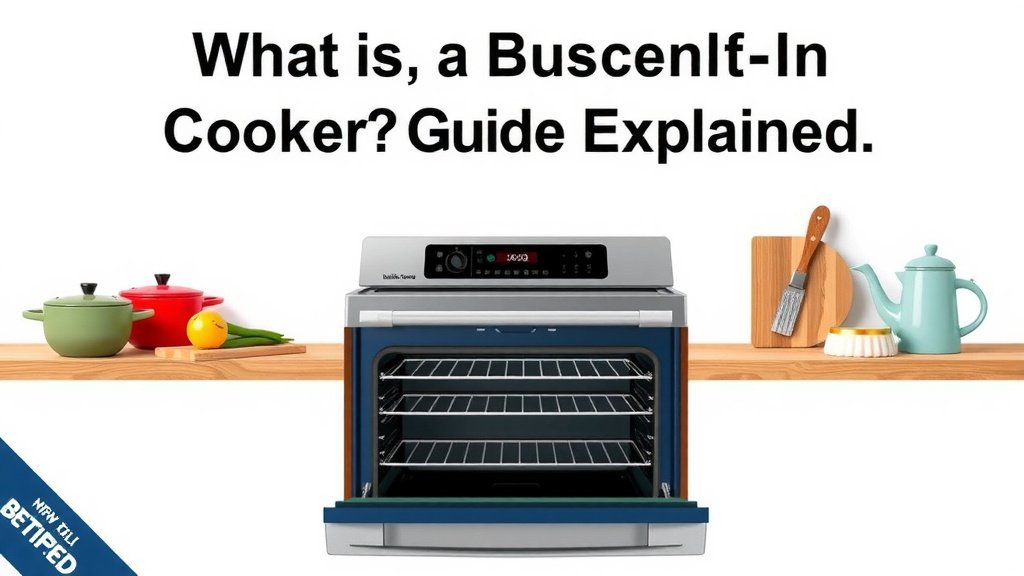
A built-in cooker is essentially an oven that’s integrated directly into your kitchen cabinetry. It’s designed to create a sleek, modern look without taking up extra floor space. Unlike freestanding ranges, these units offer a more customized and streamlined kitchen design.
You’ll find they offer a clean aesthetic, often paired with a separate cooktop installed in your countertop. This setup allows for greater flexibility in kitchen layout and appliance placement. Many homeowners choose them for their premium appearance and space-saving benefits.
- A built-in cooker is an oven fitted into your kitchen cabinets.
- They offer a sleek, modern kitchen design.
- Often paired with a separate countertop cooktop.
- Helps create a customized kitchen layout.
- Space-saving and visually appealing.
Ready to learn more about how these can transform your kitchen? Let’s break down what makes a built-in cooker a popular choice for many homes.
Understanding Built-In Oven Systems
A built-in cooker, often called a built-in oven, is a kitchen appliance designed to be installed directly into your cabinetry. Unlike a freestanding range, it’s a separate oven unit. You’ll typically pair it with a separate cooktop installed in your countertop. This separation offers a lot of design freedom for your kitchen. It creates a clean, integrated look that many homeowners love.
What Exactly is a Built-In Oven?
Think of it as an oven without its own legs or a stovetop attached. It’s built to fit snugly within a wall or cabinet space. This means you don’t have a bulky appliance sticking out. It contributes to a more polished and customized kitchen aesthetic. They come in various sizes and styles to match your kitchen’s decor.
The Difference from a Freestanding Range
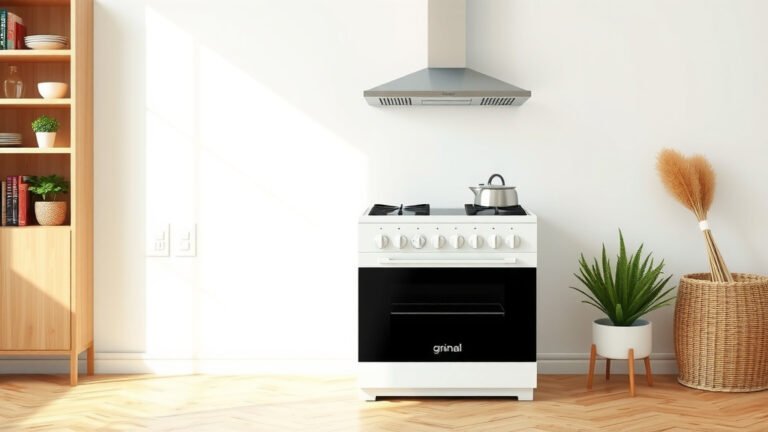
A freestanding range is your all-in-one unit. It has an oven below and a cooktop on top, all in a single, self-contained appliance. You just plug it in or connect the gas. Built-in systems separate these functions. You get a countertop cooktop and a wall oven. This allows for flexible placement and a more streamlined appearance. Many find this distinction offers a more high-end feel.
Benefits of Choosing a Built-In Cooker
Why would you opt for a built-in cooker? There are several compelling reasons. They offer advantages in terms of kitchen design and functionality that freestanding units just can’t match. Let’s look at what makes them so appealing.
Enhanced Kitchen Aesthetics
This is often the biggest draw. Built-in ovens integrate beautifully into your kitchen cabinetry. They create a smooth, uninterrupted line. This gives your kitchen a modern, high-end look. There are no gaps or awkward spaces to clean around. It truly transforms the feel of your cooking space. Many interior designers prefer this look for its clean finish.
Space-Saving Advantages
While they don’t necessarily take up *less* overall space, they utilize it more efficiently. By mounting the oven in the wall, you free up floor space. This is especially beneficial in smaller kitchens where every inch counts. You can also install them at a more ergonomic height. This means less bending over to access your food. It’s a win-win for both form and function.
Customization and Flexibility
Built-in systems allow for incredible customization. You can choose the exact size and style of oven you want. You can also select a cooktop that perfectly suits your cooking needs. Want a gas cooktop with an electric oven? No problem. This flexibility lets you design a kitchen that works precisely for you. You’re not limited by a pre-packaged range.
Ergonomic Placement Options
One of the nicest features is the ability to install the oven at a comfortable height. Placing it at waist level means you don’t have to bend down as much. This is a huge relief for your back. It also makes it easier to check on your food without straining. Some even place them above a warming drawer for ultimate convenience.
Types of Built-In Ovens
Not all built-in ovens are created equal. They come in a few different varieties to suit different cooking styles and kitchen setups. Understanding these options will help you make the best choice for your home.
Single Wall Ovens
This is the most common type. A single wall oven is exactly what it sounds like: one oven unit installed in the wall. It’s perfect for households that don’t do a lot of large-scale cooking. You’ll pair this with your separate cooktop. It provides that clean, integrated look you desire.
Double Wall Ovens
If you love to bake, entertain, or have a growing family, a double wall oven is a fantastic option. This unit features two ovens stacked vertically within a single cabinet space. It means you can cook multiple dishes at different temperatures simultaneously. Imagine baking a cake in one while roasting vegetables in the other! It’s a culinary powerhouse that looks incredibly sleek.
Combination Wall Ovens
These are the ultimate multitaskers. A combination wall oven includes a standard oven along with another cooking appliance. This is often a microwave or a convection steamer. It offers versatility in a single unit. You can bake, roast, microwave, or steam all from one convenient location. They are a great space-saver if you need multiple appliances.
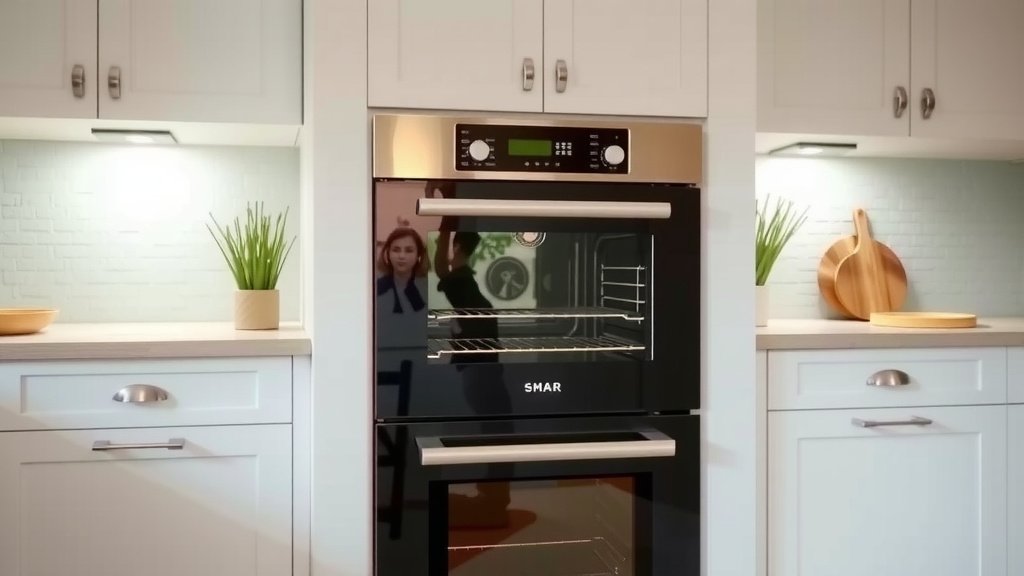
Key Considerations Before You Buy
Before you fall in love with the sleek design, there are a few practical things to consider. Making sure you choose the right fit is essential for satisfaction. We found that planning ahead saves a lot of headaches.
Here’s a quick checklist to help you:
- Measure your cabinet space carefully.
- Decide if you need a single, double, or combination oven.
- Consider the oven’s energy efficiency rating.
- Think about the type of controls you prefer (knobs, touch screen).
- Do you need features like self-cleaning or a warming drawer?
- Ensure proper ventilation is part of your kitchen design plan.
Power Requirements and Installation
Built-in ovens require dedicated electrical circuits. They typically need a 240-volt connection. This is different from standard kitchen outlets. Professional installation is highly recommended. An electrician and a qualified installer will ensure everything is safe and up to code. Improper installation can be a safety hazard. Many guidelines point to this as a critical step (National Electrical Code).
Matching Your Cooktop
Remember, with a built-in oven, you’ll also need a separate cooktop. You can choose between electric, gas, or induction cooktops. Consider your cooking habits and what works best in your home. Ensure the style and brand of your cooktop and oven complement each other for a cohesive look.
| Feature | Built-In Oven System | Freestanding Range |
|---|---|---|
| Aesthetic | Integrated, sleek, modern | All-in-one, can be bulkier |
| Installation | Requires cabinet integration & separate cooktop installation | Plugs into existing hookups |
| Flexibility | High – separate oven & cooktop choices | Limited – fixed unit |
| Space | Can save floor space, uses vertical cabinet space | Takes up floor space |
| Cost | Generally higher initial investment | Often lower initial investment |
| Repair | May be more complex if cabinetry is involved | Typically simpler access |
Choosing a built-in cooker is a decision that impacts both the look and functionality of your kitchen. By understanding the different types and considering these key points, you can create a cooking space that is as beautiful as it is practical.
Conclusion
You’ve learned that a built-in cooker offers a streamlined, modern look for your kitchen, separating the oven from the cooktop for greater design freedom. They provide enhanced aesthetics, space-saving benefits, and customization options unmatched by freestanding ranges. Whether you choose a single, double, or combination oven, planning for installation and power requirements is key. Now that you understand the benefits and types, you’re well-equipped to decide if a built-in system is the right choice to transform your kitchen space.
Frequently Asked Questions
Do built-in ovens require special electrical work?
Yes, built-in ovens typically need a dedicated 240-volt electrical circuit. This is more powerful than standard household outlets. We found that professional installation is highly recommended to ensure safety and proper code compliance.
Can I install a built-in oven myself?
While some DIYers might attempt it, professional installation is strongly advised. Built-in ovens involve electrical work and precise cabinetry fitting. Improper installation can create safety hazards and impact the oven’s performance. An electrician and installer ensure it’s done correctly.
What is the difference between a built-in oven and a wall oven?
The terms “built-in oven” and “wall oven” are often used interchangeably. They both refer to an oven unit that is integrated into your kitchen cabinetry. The key distinction from a freestanding range is this integrated installation.
How do I choose the right size built-in oven?
You’ll need to carefully measure the cabinet space designated for the oven. Consider how many people are in your household and your cooking habits. Single ovens are great for smaller needs, while double ovens are better for larger meals or frequent entertaining.
Are built-in ovens more expensive than freestanding ranges?
Generally, yes, built-in oven systems tend to have a higher initial investment. This is due to the separate cooktop purchase, the oven itself, and the specialized installation. However, many homeowners find the aesthetic and functional benefits justify the cost.