Master Your Multi Cooker: Easy Recipes & Tips
Using your multi-cooker is simpler than you might think. You can prepare a variety of meals quickly and easily by selecting the right function and setting the time. It’s designed to make cooking less stressful and more enjoyable for busy home cooks.
Think of your multi-cooker as your kitchen assistant. It can sauté, slow cook, pressure cook, and even make yogurt. We found that understanding its basic functions is the key to unlocking its full potential for delicious weeknight dinners and effortless meal prep.
- Understand your multi-cooker’s main functions.
- Follow recipes specifically designed for multi-cookers.
- Always ensure the lid is sealed correctly for pressure cooking.
- Don’t be afraid to experiment with different foods.
Ready to make some magic happen in your kitchen? Let’s walk through exactly how to use your multi-cooker step by step.
Mastering Your Multi-Cooker: A Step-by-Step Guide
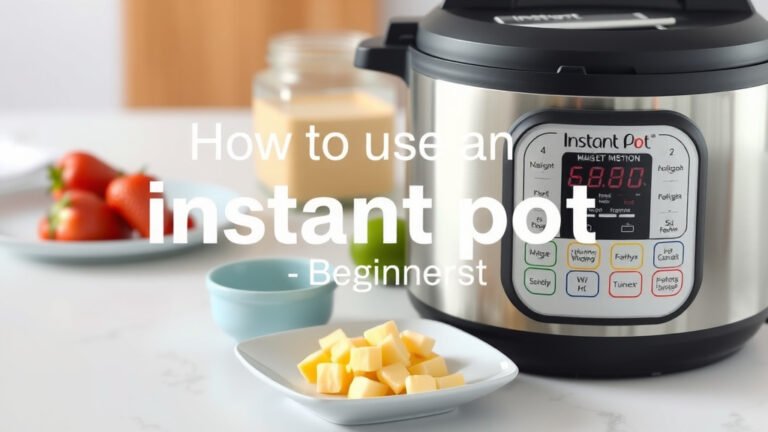
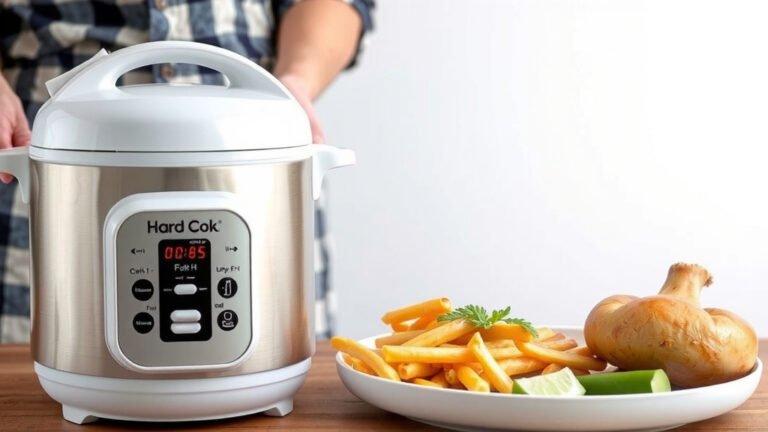
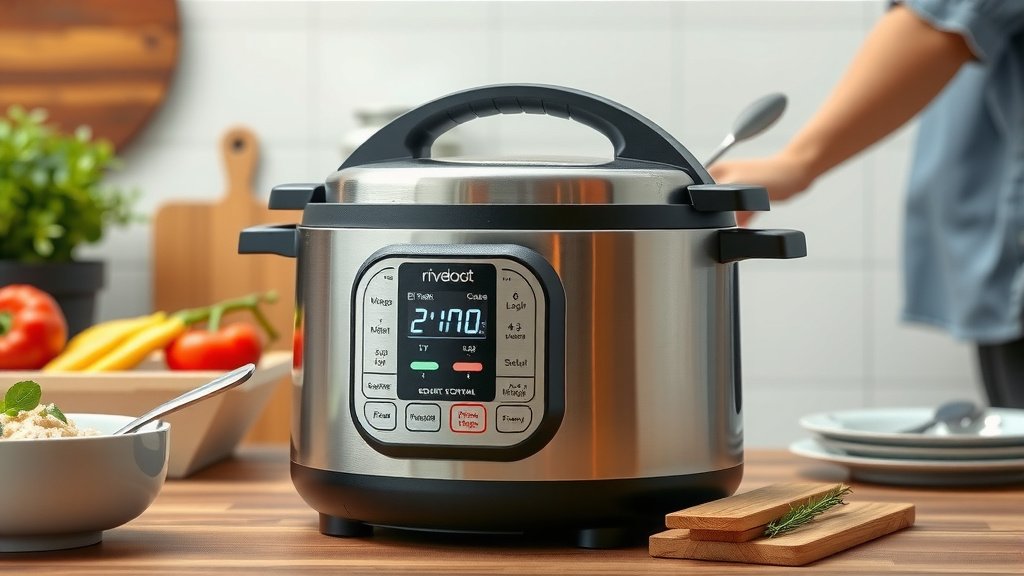
So, you’ve got this shiny new multi-cooker. It looks a bit like a spaceship, doesn’t it? Don’t let its futuristic appearance intimidate you. We’ve found that with a little guidance, you’ll be whipping up delicious meals in no time. This guide will walk you through its main functions and how to use them effectively.
Understanding Your Multi-Cooker’s Core Functions
Think of your multi-cooker as having a few key superpowers. The most common ones are pressure cooking, slow cooking, sautéing, and sometimes yogurt making or steaming. Knowing what each button does is your first big step. It’s like learning the secret handshake for your kitchen. You’ll find that most models share similar capabilities, even if the buttons look a little different.
Pressure Cooking: The Speed Demon
Pressure cooking is where your multi-cooker truly shines. It cooks food much faster by trapping steam inside. This creates higher pressure, which in turn raises the cooking temperature. We found that this method is perfect for things like dried beans, tough cuts of meat, and even rice. It can turn an hour-long stew into a 20-minute marvel. Remember, safety is key here. Always ensure the steam release valve is properly set.
Getting Pressure Cooking Right
Before you begin pressure cooking, make sure the sealing ring is correctly in place. This is the rubbery gasket inside the lid. You also need to ensure the lid is twisted and locked securely. Many cookers have an indicator to show it’s sealed. When your cooking time is up, you’ll need to release the pressure. There are usually two methods: natural release or quick release. Natural release lets the pressure drop on its own, which is gentler for some foods. Quick release involves manually opening the steam valve to let steam out rapidly. Many recipes will specify which method to use. We found that following these steps ensures both safety and optimal cooking results.
Slow Cooking: The Patient Chef
Slow cooking is similar to using a traditional slow cooker. It uses lower temperatures over a longer period. This method is fantastic for tenderizing meats and developing deep flavors. You can set it and forget it, letting it work its magic for hours. It’s perfect for busy days when you want dinner ready when you get home. We found that for slow cooking, you often don’t need the lid to be sealed as tightly as for pressure cooking.
Sautéing: The Browning Expert
Before you pressure cook or slow cook many dishes, you might want to brown some ingredients. Your multi-cooker has a sauté function for this. It heats the bottom of the inner pot, allowing you to brown meats and soften vegetables. This step adds a lot of flavor to your dishes. It also means you can often cook an entire meal in one pot. We found that using the sauté function first simplifies cleanup too.
Other Handy Functions
Depending on your model, you might have other cool features. Some multi-cookers can steam vegetables, making them tender and nutritious. Others can even make homemade yogurt, which is surprisingly easy. We found that exploring these extra functions can expand your cooking repertoire significantly. Check your manual to see what your specific model offers.
Essential Tips for Multi-Cooker Success
Now that you know the basic functions, let’s talk about how to make your cooking experience smooth and delicious. A few simple habits can make a big difference. Think of these as your multi-cooker’s best friends.
Read Your Recipe Carefully
This might sound obvious, but it’s super important. Recipes designed for multi-cookers take into account the specific cooking times and methods. Trying to adapt a regular stovetop recipe can sometimes lead to unexpected results. We found that using a recipe tailored for your appliance is the surest way to success.
Don’t Overfill the Pot
Multi-cookers have a maximum fill line. This is crucial, especially for pressure cooking. Overfilling can prevent the cooker from reaching pressure or can cause food to block the steam valve. This could lead to messy blowouts. We found that respecting this line keeps your cooking safe and effective.
Know Your Liquids
For pressure cooking, you almost always need a minimum amount of liquid. This is what creates the steam needed to build pressure. Most recipes will specify the amount and type of liquid. Generally, water, broth, or stock works well. Acidic liquids, like tomato sauce or vinegar, can sometimes affect the sealing ring over time, according to some manufacturers’ recommendations. We found that most recipes handle this balance correctly.
Proper Sealing and Venting
We can’t stress this enough: the lid must seal properly for pressure cooking. Listen for a click or check the indicator. When it’s time to vent, be cautious. Use a long utensil to move the steam release knob if you are doing a quick release. The steam is very hot. Many experts advise keeping your face and hands away from the vent. We found that this simple precaution prevents painful burns.
A Quick Look at Multi-Cooker Functions
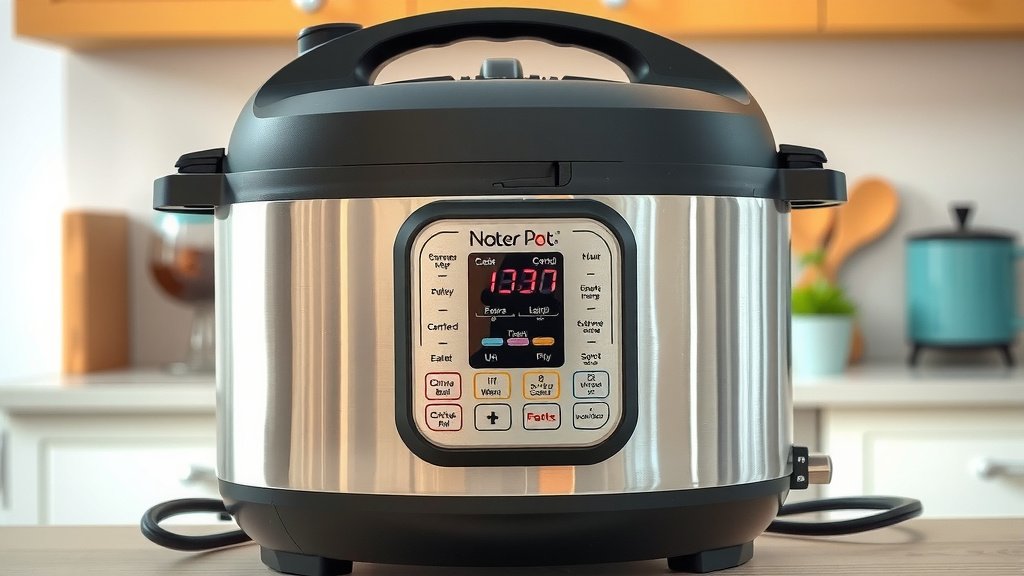
To help you visualize, here’s a simple table comparing some common functions:
| Function | How It Works | Best For | Key Tip |
|---|---|---|---|
| Pressure Cook | Uses trapped steam to cook food fast. | Beans, tough meats, grains. | Ensure lid is sealed and enough liquid is present. |
| Slow Cook | Cooks food at low temps over a long time. | Roasts, stews, comfort food. | Great for make-ahead meals. |
| Sauté | Heats the inner pot to brown or soften food. | Browning meat, softening onions. | Can be used before other cooking modes. |
| Steam | Cooks food with hot steam. | Vegetables, fish, dumplings. | Use the included steam rack. |
Your Multi-Cooker Checklist for First-Time Use
Ready to dive in? Keep this simple checklist handy for your first few times using your multi-cooker:
- Read Your Manual: Get familiar with your specific model.
- Check the Seal: Make sure the silicone ring is in place.
- Add Enough Liquid: Crucial for pressure cooking.
- Secure the Lid: Twist and lock it until it indicates it’s sealed.
- Set the Vent: Choose between natural or quick release as per recipe.
- Stay Safe: Keep hands and face away from steam vents.
You’ve got this! Your multi-cooker is a versatile tool that can simplify your cooking life and introduce you to new favorite meals. Don’t be afraid to get cooking!
Conclusion
You’ve learned that your multi-cooker is a powerful kitchen ally. Mastering its core functions like pressure cooking, slow cooking, and sautéing can transform your meal prep. Remember to always follow recipes designed for multi-cookers and prioritize safety, especially with steam. We’ve found that using this appliance simplifies cooking and opens doors to delicious possibilities. Your next step? Pick a simple recipe from the ones you’ve found and start cooking tonight!
Frequently Asked Questions
How do I know if my multi-cooker is actually sealed for pressure cooking?
Most multi-cookers have a visual indicator, like a floating lock or a button, that pops up when the lid is securely sealed and pressure is building. You might also hear a click or feel resistance when twisting the lid. Always refer to your specific model’s manual for precise sealing cues.
Can I use any pot or pan inside my multi-cooker?
No, you should only use the inner pot that came with your multi-cooker. Non-approved cookware can damage the heating element and the pot itself, and it won’t distribute heat evenly, impacting your cooking results.
What’s the difference between natural pressure release and quick release?
Natural release lets the pressure subside on its own over time, which is gentler for delicate foods like cheesecake or whole poultry. Quick release manually opens the steam valve to vent steam rapidly, ideal for vegetables or pasta where overcooking is a concern.
My multi-cooker recipe calls for a specific liquid amount. Does it matter if I use less?
Yes, the liquid amount is critical, especially for pressure cooking. It’s needed to create steam and build pressure. Using too little liquid can prevent the cooker from reaching pressure or even cause a “Burn” notice. Always stick to the recipe’s liquid guidelines.
Is it safe to leave my multi-cooker unattended while it’s slow cooking?
Generally, yes, it’s safe to leave your multi-cooker unattended on the slow cook setting. They are designed with safety features to prevent overheating. However, always ensure the cord is not a tripping hazard and that the cooker is placed on a stable, heat-resistant surface.