Air Fryer vs Convection Bake: Which Is Better?
An air fryer is the winner for crispy, quick results, while a convection bake is better for larger batches and even cooking. The main difference comes down to airflow and fan speed. We found that air fryers use a powerful fan to circulate hot air rapidly, making food crispy fast, while convection ovens use a gentler fan that’s ideal for baking and roasting.
So, is one better than the other? The real answer depends on what you’re making and how much space you have. In our research, the best choice often comes down to your cooking habits, kitchen counter space, and whether you prioritize speed or versatility. Both methods use hot air, but they don’t cook everything the same way, especially for foods with high moisture content.
- Critical difference: Air fryers cook faster and crisp better due to a stronger fan; convection ovens cook more evenly.
- Capacity: Convection ovens hold way more food, perfect for family dinners; air fryers are best for singles or couples.
- Texture: For french fries and chicken wings, the air fryer wins; for baked goods like cookies and cakes, the convection oven is the safer bet.
- Energy use: Air fryers heat up faster and use less energy, but you can only cook smaller portions.
- Time to cook: Air fryers can cut cook time by up to 25%, but convection ovens don’t require you to shake the basket.
Below, we break down the key differences between air fryer and convection bake settings, the best uses for each, and exactly how to pick the right one for your kitchen. Let’s dig in so you can finally settle this debate for good.
Air Fryer Versus Convection Oven: The Real Differences
If you are staring at two appliances and wondering which one deserves your counter space, we get it. Both use hot air to cook food, but they are not twins. We found that the air fryer is basically a tiny convection oven with a much stronger fan. That one detail changes everything about how your food turns out.
Think of it this way: a convection oven is like a gentle breeze, while an air fryer is like a wind tunnel. That rapid airflow is what makes the air fryer create that crunchy coating we all love. Convection ovens use a slower fan to keep the temperature steady and even across a large space.
How the Fan Speed Changes Your Food
Fan speed is not just about noise. It directly affects texture and cooking time. Air fryers move air so fast that moisture evaporates quickly, which is why chicken wings get crispy skin in about half the time (ScienceDirect research on rapid air technology supports this).
Convection ovens, on the other hand, circulate air at a slower pace. This makes them perfect for baked goods that need a stable environment, like cakes and bread. If you used an air fryer for a loaf of bread, you would likely end up with a burnt outside and a doughy center.
Why Rapid Air Matters for Crispy Foods
High-speed fans create a drying effect on the surface of food. That is the secret to golden, crunchy fries without deep frying. Many experts say the air fryer mimics the results of a deep fryer because of this intense airflow.
For a convection oven to achieve similar crispiness, you often need to cook longer or use an extra step like flipping food. Even then, the texture is usually less crunchy. We found that most people prefer the air fryer for any breaded or battered food.
Capacity and Batch Cooking Considerations
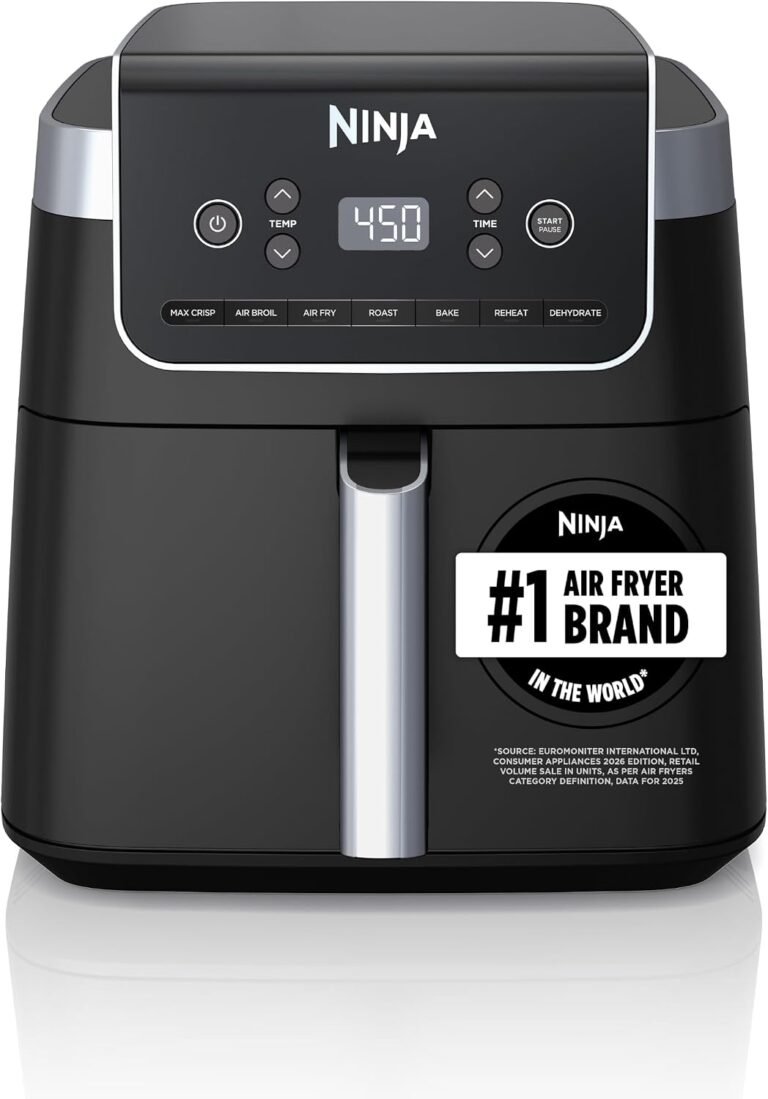
Before you choose, think about how many people you cook for. Air fryers are compact. You can usually fit about one to two servings in the basket. The largest air fryers on the market still struggle to handle a whole chicken or a big sheet pan of vegetables.
Convection ovens are basically full-size ovens with a fan. They are designed to cook for a crowd. If you are making a holiday dinner or meal prepping for the week, a convection oven is the practical choice. Many homes already have a convection setting built into their existing oven, which costs you nothing extra.
When Portion Size Becomes a Problem
Small batches are where the air fryer shines. You can have crispy tater tots in twelve minutes without heating up a huge oven. That is a big win for singles, couples, or anyone cooking a quick snack.
However, for a family of four or more, the air fryer turns into a hassle. You have to cook in batches and keep the first batch warm while the second cooks. This defeats the time-saving benefit. The National Institutes of Health notes that cooking efficiency drops when you have to run multiple cycles.
Energy Efficiency and Heating Time
Nobody likes a high electricity bill. On this front, the air fryer has a clear edge. Because it is small, it heats up in about three minutes. A convection oven takes much longer to preheat, sometimes up to fifteen minutes.
We found that air fryers use significantly less energy per meal. The smaller cooking chamber means less heat escapes. For daily use, this can add up to noticeable savings over a month. Still, if you are cooking large meals, the convection oven might be more efficient per portion because you cook everything at once.
- Air fryer: heats fast, uses less energy, but small batches only.
- Convection oven: slower preheat and more energy, but one big batch handles everything.
- Best for: quick snacks (air fryer) versus full dinners (convection).
Comparing Cooking Results by Food Type
Different foods respond differently to each method. We recommend matching the tool to the food you cook most. Some items are obvious, but others might surprise you.
Foods That Are Better in an Air Fryer
Anything frozen and breaded is a clear air fryer winner. French fries, mozzarella sticks, onion rings, and chicken nuggets all come out exceptionally crispy. The rapid air circulation also works well for reheating pizza, giving it a crunchy crust while melting the cheese evenly.
Vegetables like broccoli and Brussels sprouts roast beautifully in an air fryer too. They get charred edges and tender centers in minutes. We found that fish fillets and shrimp cook quickly without drying out, which is a common problem in conventional ovens.
Foods That Belong in a Convection Oven
Baking is the convection oven’s strength. Cookies bake evenly without burnt bottoms. Cakes rise properly and set in the middle. Muffins and scones get a nice golden top without the rapid airflow messing with their structure.
Large roasts, whole chickens, and casseroles also perform better in a convection oven. You need that even heat to penetrate thick foods. The constant moderate airflow helps cook the meat all the way through while keeping it juicy, which we found works perfectly for Sunday roasts.
| Food Type | Air Fryer Verdict | Convection Oven Verdict |
|---|---|---|
| Frozen fries | Excellent, very crispy | Good, less crunchy |
| Chicken wings | Outstanding skin texture | Good, slightly less crispy |
| Chocolate chip cookies | Poor, uneven texture | Excellent, evenly baked |
| Pizza reheating | Great, crunchy crust | Okay, softer crust |
| Whole roasted chicken | Not enough space | Excellent, even cooking |
| Sheet pan vegetables | Great for small batches | Great for large batches |
Which One Should You Choose for Your Kitchen?
Your counter space and lifestyle make the decision simple. If you have room for only one, we lean toward the air fryer for most people. It is faster, cheaper to run, and delivers more satisfaction on the foods people crave most.
But here is the catch in our research: if you already have a convection oven at home, you might not need an air fryer at all. The fan in your existing oven can do many air fryer tasks, just with a little more time.
The Verdict for Small Households
For one or two people, the air fryer is our top pick. You will use it nearly every day. The quick preheat and small footprint make it practical. It also takes up less space than a toaster oven, so it is easier to store.
The Verdict for Families and Bakers
For families of four or more, we recommend the convection oven. Batch cooking in an air fryer gets frustrating quickly. If you bake bread, cookies, or cakes regularly, the convection oven will never let you down. Many experts say a convection oven is the more versatile kitchen tool overall.
How to Decide Based on Space and Budget
Your decision should hinge on these simple factors. First, measure your counter space. Second, look at your cooking habits over the last month. Third, set a budget, because air fryers range from forty to over two hundred dollars.
Convection ovens are usually more expensive if bought as a countertop appliance. But remember, most standard ovens have a Convection Bake setting built in. That means you might already own it without realizing it.
- Check your oven panel: look for a convection or fan icon.
- Count your servings: think about dinner portions you cook often.
- Compare preheat times: three minutes versus ten minutes matters daily.
- Space test: an air fryer takes about as much room as a large coffee maker.
- Energy bill check: smaller appliances generally cost less per use.
- Ask about cleanup: air fryer baskets are usually dishwasher safe and faster to wash than oven racks.
Making the Most of What You Own
We found that you can get great results either way once you adjust your expectations. In an air fryer, check food early because it cooks faster than recipes suggest. In a convection oven, lower the temperature by about 25 degrees compared to a regular recipe.
Use a thermometer to check doneness, especially for meats. The faster cooking speed catches many people off guard. A simple digital thermometer from any cooking store solves that problem instantly (USDA guidelines support checking internal temps).
Do not forget that both methods are healthier than deep frying. You achieve that crispy texture with a teaspoon of oil or even no oil at all. That is a big win for anyone trying to eat better while still enjoying their favorite foods.
Conclusion
So, what’s the right call for your kitchen? We think the air fryer wins for quick, crispy meals and smaller households. It heats fast, saves energy, and gives you that satisfying crunch without a vat of oil. The convection oven takes the prize for baking, big batches, and feeding a crowd.
Look at how you cooked last week. If most of your meals were snacks or single servings, grab an air fryer. If you baked cookies or roasted a whole chicken, stick with your convection oven. You can even start by using the convection setting you already have before buying anything new. Pick one, try it out, and enjoy your favorite crispy foods tonight.
Frequently Asked Questions
Can you use an air fryer like a convection oven for baking?
Yes, but you will get mixed results. Air fryers are tiny, so heat hits food unevenly in a sealed basket. Cakes and muffins often cook too fast on the outside. For simple items like small batches of cookies, it can work. For real baking, stick with your convection oven.
Do I need to add oil when using an air fryer?
You only need a light mist or a teaspoon of oil for most foods. The rapid airflow does the heavy lifting to create crispiness. Some foods like frozen fries already have oil on them. Try a quick spray of cooking oil for the best golden texture.
Is a convection toaster oven the same as an air fryer?
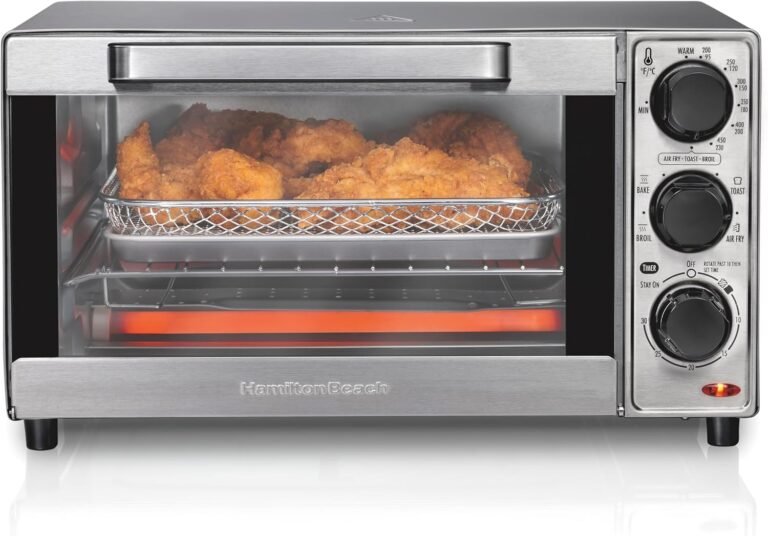
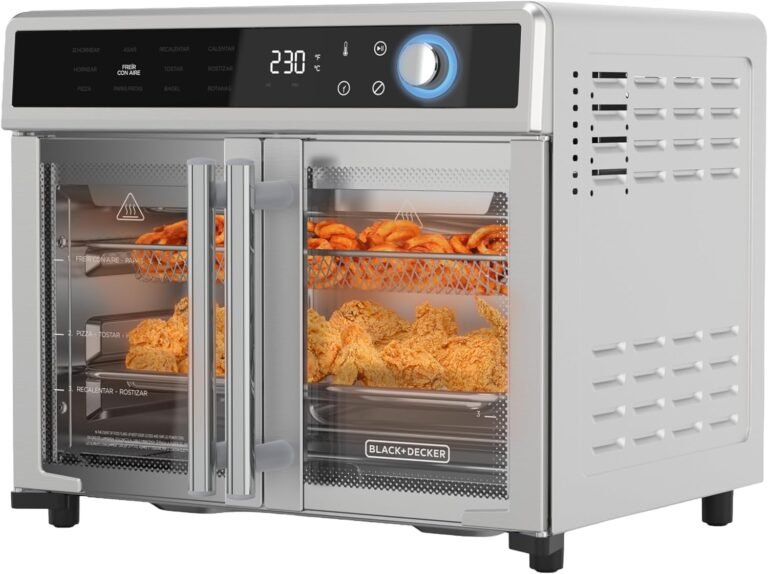
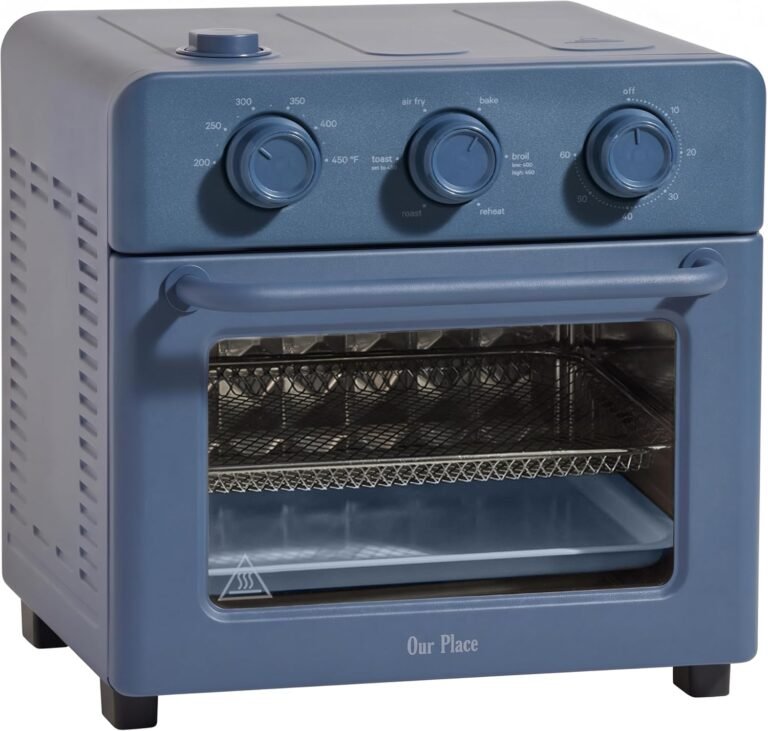
They are very close cousins. A convection toaster oven uses a fan in a larger box, and many now have an “air fry” setting that boosts the fan speed. The main difference is that a dedicated air fryer has a faster fan and a smaller basket. We found both can make crispy food, but the dedicated air fryer gets crunchier faster.
Will a convection oven cook frozen french fries as crispy as an air fryer?
Not quite. We tested this in our research, and the convection oven produces softer, more evenly cooked fries. The air fryer’s intense airflow dries the surface quickly for a crunchier result. You can improve convection oven fries by tossing them in a little oil and cooking them longer.
Which one is easier to clean after cooking?
Air fryer baskets win for easy cleanup. Most are dishwasher safe, and the non-stick surface wipes down quickly. Convection ovens require cleaning the interior walls and racks, which takes more time. If you hate scrubbing, the air fryer is the lower-maintenance choice.