Air Fryer vs Broil: Which Method Cooks Best in November 2026
For most everyday cooking, an air fryer wins over broiling because it is faster, more versatile, and easier to clean. The main difference is that an air fryer circulates hot air to cook food from all angles, while a broiler uses intense top-down heat from your oven. You get crispier, more even results with the air fryer in a fraction of the time.
We found that the choice really depends on what you are cooking and how much counter space you have. Broiling is still fantastic for melting cheese, caramelizing sugars, or getting a quick char on meats. However, an air fryer handles frozen foods, reheats leftovers, and cooks a full meal without heating up your entire kitchen.
- Air fryers cook faster—usually cutting oven time by 20 to 30 percent.
- Broiling is better for open-faced melts and quick maillard reactions on top.
- Air fryers are easier to clean with non-stick baskets instead of a greasy oven rack.
- Broilers use your existing oven, so you save counter space and money.
- Air fryers are more versatile for frozen snacks, veggies, and full dinners.
Below, we break down the science, the textures, and the practical everyday differences between these two cooking methods. We will help you decide which one deserves a permanent spot in your weekly rotation.
Choosing Between an Air Fryer and Your Oven’s Broiler
You have probably stood in your kitchen wondering if you really need another appliance. The broiler is right there, built into your oven. It works. But the air fryer promises crispy fries without a vat of oil. So which one actually earns its spot on your counter?
We found that the answer is not as simple as picking a winner. It is about matching the tool to the job. Think of the broiler as a blowtorch for your food. It blasts heat from above. The air fryer acts like a tiny convection oven on steroids. It wraps your food in hot, swirling air from every direction.
How Air Frying Actually Works Inside the Basket
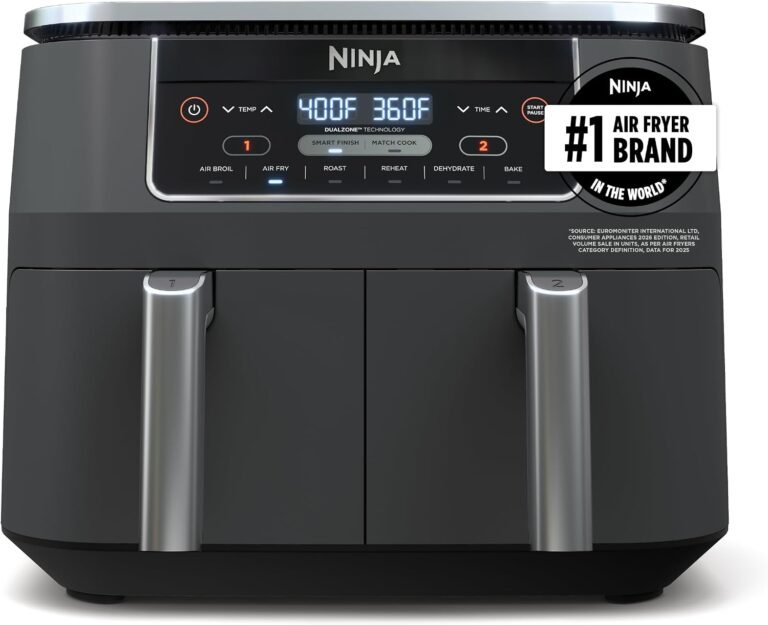
An air fryer is basically a small, powerful fan paired with a heating coil. That fan pushes hot air around your food at high speed. This rapid circulation pulls moisture from the surface. It also creates that golden-brown crust you love. The result mimics deep frying but uses about 95 percent less oil. Many experts say this makes it a smarter choice for everyday meals.
Here is the cool part. The circulating air cooks every side at the same time. You rarely need to flip anything. Chicken wings, tater tots, and even salmon come out evenly cooked. No hot spots. No burnt edges. Just consistent heat wrapping around every nook and cranny.
Why the Fan Matters for Crispy Textures
The fan is the secret hero here. It moves air at a rate that removes surface moisture fast. Dry surfaces brown better. That is basic food science. When moisture evaporates quickly, the exterior crisps up before the inside dries out. You get a juicy center and a shatteringly crisp shell.
We found this works especially well for frozen foods. You can toss frozen french fries or mozzarella sticks straight into the basket. No thawing required. The air fryer handles them in minutes. Compare that to broiling, where frozen items often end up cold in the middle and burnt on top.
The Broiler’s Strengths You Should Not Overlook
Let us give the broiler some credit. It has been in ovens for decades for a reason. It produces intense, direct heat from above. That heat is perfect for certain tasks. Melting cheese on a casserole? The broiler does that beautifully in under two minutes. Caramelizing the sugar on crème brûlée? Only a broiler or torch can do that properly.
Broiling also excels at finishing dishes. You can cook a steak in a skillet and then broil it for a quick char. The high heat creates that maillard reaction that adds deep, savory flavor. It is the same reaction that gives grilled meat its appeal. No air fryer can replicate that direct, radiant top heat.
When Broiling Saves You Time and Mess
For open-faced sandwiches, broiling is faster. Think tuna melts, garlic bread, or nachos loaded with toppings. You just arrange everything on a sheet pan and slide it under the broiler. Two to three minutes later, you have bubbly, golden results. There is no need to preheat a bulky air fryer basket or arrange food in a single layer.
Broiling also means no extra appliance to store. Your oven already has it. That saves counter space and money. If you rarely cook frozen snacks or crispy vegetables, you might skip the air fryer entirely. Plenty of home cooks get by just fine using their broiler for these finishing touches.
Speed and Efficiency: Which One Heats Up Faster?
Air fryers win on speed almost every time. Most air fryers preheat in 3 to 5 minutes. A standard oven broiler takes about 5 to 10 minutes to get properly hot. That might not sound like much, but it adds up during busy weeknights. When you are hungry and tired, every minute counts.
Air fryers also cook food faster than broilers. Because the hot air wraps around the food, heat transfer is more efficient. A chicken breast that takes 25 minutes to broil might be done in 15 minutes in the air fryer. We found that most recipes cut their cooking time by 20 to 30 percent.
The Heat Factor in Your Kitchen
Here is a big difference you will feel immediately. Using the broiler heats up your entire kitchen. That giant heating element radiates warmth outward. On a hot summer day, that is miserable. Your air conditioner works overtime. Your kitchen becomes a sauna.
Air fryers contain the heat inside the unit. The outside stays cool to the touch. Your kitchen stays comfortable. This makes air frying a better choice for warm months or small apartments. You get crispy food without sweating through your shirt. That alone might be the deciding factor for you.
Cleanup Comparison: Baskets Versus Oven Racks
Let us be honest. Cleaning an oven broiler is a pain. Grease splatters onto the heating element and the oven floor. That baked-on residue requires harsh chemicals and serious scrubbing. You might even avoid broiling just to skip the cleanup. Many of us have been there.
Air fryer baskets are far easier. Most have a non-stick coating. You can pop them in the dishwasher. Even hand washing takes seconds with warm soapy water. We found that this convenience makes people use their air fryer more often. Less friction means more cooking at home and less takeout.
Simple Daily Maintenance Tips
Keep your air fryer basket happy with a few habits. Always let it cool before washing. Never use metal utensils that scratch the coating. A quick wipe after each use prevents stubborn buildup. You will find that five minutes of cleanup beats the hour-long oven scrubbing session any day.
For the broiler, prevention is key. Line your broiler pan with foil before cooking. This catches most of the drips. Clean any spills while they are still warm. Cold, dried-on grease is your enemy. A little forethought saves you from a serious cleaning session later.
Nutrition and Health: Does Cooking Method Matter?
Both methods are healthier than deep frying. Air frying uses a fraction of the oil. One tablespoon or less is plenty for most foods. Broiling requires almost no oil at all. The heat does the work. You get flavor without the extra fat and calories.
Research shows that air frying can reduce acrylamide formation in potatoes compared to traditional deep frying. Acrylamide is a compound linked to cancer risk in animal studies. The U.S. Food and Drug Administration notes that reducing acrylamide in your diet is a reasonable step. Air frying helps with that goal.
Broiling is also low fat, but it has one downside. Cooking meat at very high temperatures can create heterocyclic amines (HCAs). These compounds also form during grilling and pan searing. The National Cancer Institute suggests trimming fat and avoiding charred sections to reduce exposure. Just do not eat the burnt bits and you are fine.
Practical Every Day Differences in Your Kitchen
Think about your actual weekly meals. Air fryers shine at reheating leftovers. Pizza becomes crispy again. Fried chicken stays crunchy on the outside and moist inside. Broilers just dry things out. You end up with tough, sad leftovers that taste nothing like the original.
Air fryers also handle batch cooking better. You can roast vegetables, cook chicken thighs, and crisp chickpeas all in the same basket. The broiler is really a one-trick pony. It does high-heat top cooking well. That is about it. If you want a full meal, the air fryer is far more versatile.
When You Should Still Choose the Broiler
Do not ditch the broiler. It remains the best tool for certain jobs. Melting cheese evenly on a French onion soup? Broiler wins. Toasting the top of a mac and cheese casserole? Broiler wins again. Getting a beautiful crust on a thick steak? Broiler or a screaming hot pan is your best bet.
The broiler is also better for large quantities. An oven rack fits multiple sheet pans. An air fryer basket holds maybe two servings. Cooking for a crowd? Your broiler and oven handle that with ease. The air fryer would require multiple batches that take forever.
Cost and Counter Space Considerations
Air fryers range from about forty dollars to two hundred dollars. You get what you pay for in size and features. The broiler costs you nothing extra. It is already built into your oven. If you are on a tight budget, the broiler is the obvious choice. Zero additional money spent.
But counter space is precious. Air fryers take up real estate. If you have a tiny kitchen, that might be a problem. A large air fryer is about the size of a coffee maker. You need a dedicated spot close to an outlet. Make sure you measure your space before buying.
Quick Checklist to Help You Decide
Use this simple checklist to determine which method fits your lifestyle best. Answer yes or no to each statement.
- Do you cook frozen snacks like fries, nuggets, or mozzarella sticks often?
- Do you hate scrubbing greasy oven racks and pans?
- Do you reheat leftovers more than twice a week?
- Does your kitchen get uncomfortably hot when you use the oven?
- Do you cook for just one or two people most nights?
- Do you want crispy vegetables without heating up the whole house?
If you answered yes to three or more of these, an air fryer will likely serve you well. If you mostly cook for a family and rely on finishing techniques, stick with the broiler. You can always get a small, affordable air fryer later. No need to commit right now.
A Quick Side-by-Side Look at Both Methods
Here is a simple breakdown to see everything at a glance. We found this comparison helps when you feel stuck.
| Feature | Air Fryer | Broiler |
|---|---|---|
| Cook time | 20-30% faster | Moderate to slow |
| Preheat time | 3-5 minutes | 5-10 minutes |
| Kitchen heat | Minimal | High, heats the room |
| Best for | Frozen foods, reheats, veggies | Melting cheese, charring, finishing |
| Cleanup | Easy, dishwasher safe basket | Hard, greasy oven mess |
| Upfront cost | $40 to $200 | $0, built into oven |
| Batch size | Small, single layer only | Large, multiple pans |
| Oil needed | 1 tablespoon or less | None typically |
This table clarifies the tradeoffs. One is not objectively better. They serve different roles in a busy kitchen. Think about what you cook most often. Let that guide your final choice.
Our Bottom Line on the Air Fryer Versus Broil Debate
We found that most home cooks benefit from having both options available. The broiler handles finishing and large batches. The air fryer takes care of everyday quick meals and reheats. Together, they cover almost every cooking scenario you might face.
If you can only pick one, consider your habits. Are you a frozen snack lover who eats alone? Get the air fryer. Do you host family dinners and love melted cheese? Keep using the broiler. There is no wrong answer. Just the right tool for your particular routine.
Conclusion
You now know the real difference between air frying and broiling. We found that your daily cooking habits should drive this choice. An air fryer wins for quick meals, frozen snacks, and easy reheats without heating your kitchen. A broiler is still your best friend for melting cheese, charring meats, and feeding a crowd.
Start with a simple test this week. Make a batch of frozen fries in your air fryer or under your broiler. Then try reheating pizza both ways. You will feel the difference in speed, texture, and cleanup within minutes. That experiment will tell you everything you need to know about your own kitchen style.
Frequently Asked Questions
Can you use a broiler pan in an air fryer?
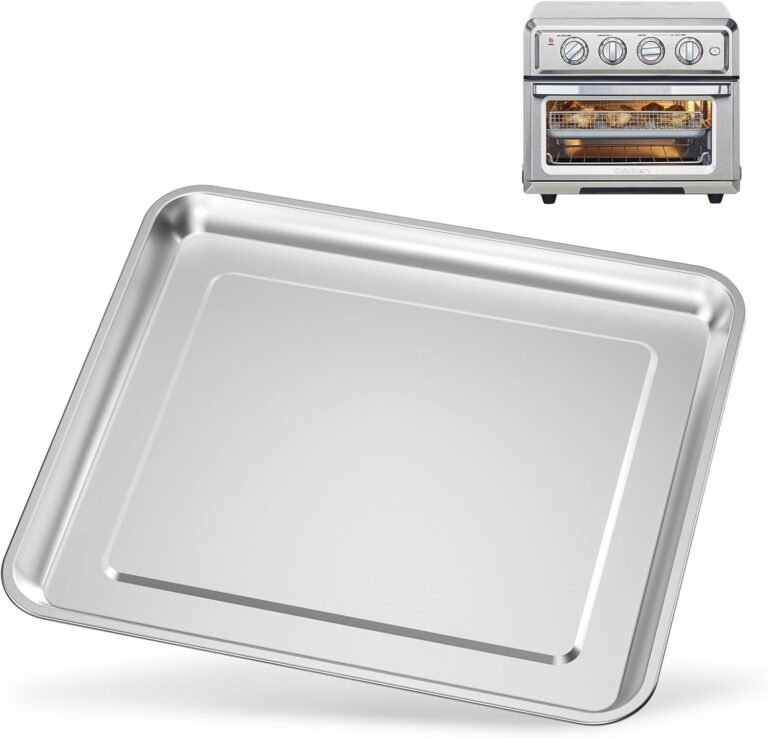
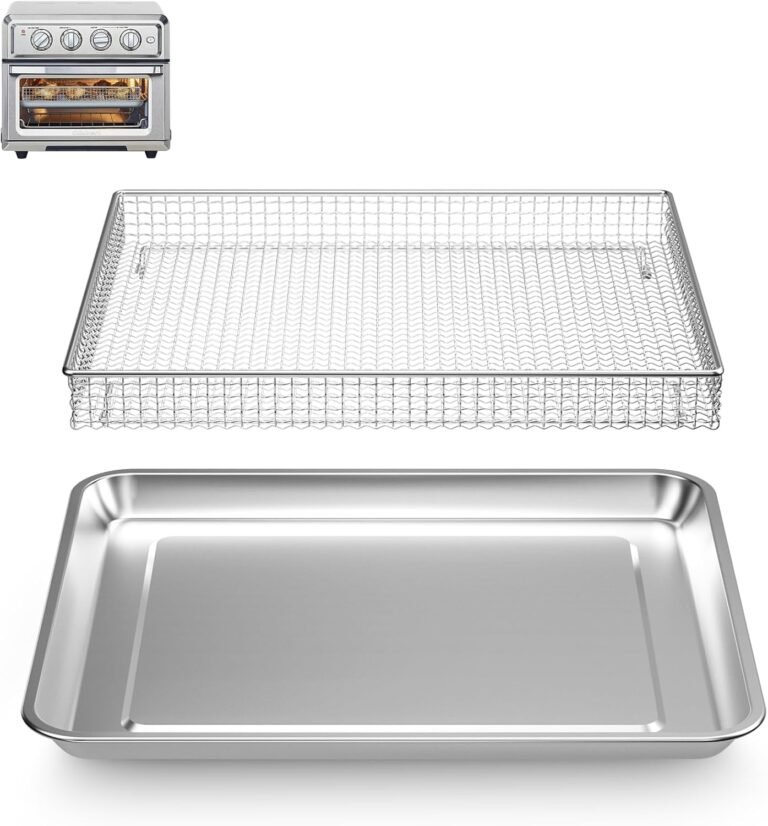
You should not put a metal broiler pan inside an air fryer. The weight can damage the basket and the coating. Stick with the accessories made for your specific air fryer model. They are designed to handle the high-speed air circulation safely.
Is an air fryer just a small convection oven?
Yes, an air fryer is basically a compact convection oven with a powerful fan. The main difference is the fan speed and basket design. That combination creates faster, crispier results than a regular convection oven. You get deep-fried texture with a fraction of the oil.
Why does my broiler smoke so much when I use it?
Excess smoke usually comes from grease dripping onto the hot heating element or oven floor. Trim extra fat from meats before broiling and line your pan with foil. This catches drips before they hit the heat source. Always keep a close eye on food under the broiler because it can burn quickly.
Can you broil frozen food straight from the freezer?
Broiling frozen food is risky because the outside burns before the inside thaws. You end up with a cold center and a charred exterior. We recommend thawing food first or using your air fryer instead. The air fryer handles frozen items safely from start to finish.
Do air fryers use a lot of electricity compared to an oven?
Air fryers generally use less electricity because they heat a smaller space. A full-sized oven takes more energy to preheat and maintain temperature. You also cook faster in an air fryer, so the appliance runs for less time. That adds up to real savings on your energy bill over a month.