Air Fryer Oven vs Convection Oven: Key Differences
An air fryer oven wins for most people because it cooks faster and delivers that crispy texture you crave, while a convection oven is better for large batches and even baking. The main difference comes down to size, speed, and how they move hot air around your food.
We researched both appliances to help you choose the right one for your kitchen. You might be wondering if you need both, or if your current oven already does the job. We found that your cooking habits and kitchen space are the biggest factors in this decision.
- Air fryer ovens are smaller, preheat faster, and use a fan to circulate air at high speed for extra crispiness.
- Convection ovens are larger built-in units (or big countertop models) that cook larger meals and bake more evenly.
- Air fryers use less energy and cook up to 25% faster than conventional ovens.
- Convection ovens are better for roasting whole chickens, baking multiple trays of cookies, or cooking for a family.
- If you want crispy fries and quick weeknight meals, go air fryer. If you bake often or cook big meals, pick convection.
Below, we break down the key differences in speed, texture, capacity, and energy use so you can pick the right tool for your cooking style.
Air Fryer Oven vs Convection Oven: How They Differ in Real Life
You already know the quick answer: one cooks fast and crispy, the other handles big meals. But what does that actually look like on a Tuesday night? We looked at how each appliance performs in everyday situations, from reheating leftovers to baking a birthday cake.
We found that the cooking method is where these two split paths. Both use a fan to move hot air, but the speed and design create different results. This shapes everything from your grocery list to your electricity bill.
How the Fan and Heating Elements Work
A convection oven has a fan at the back that blows hot air around the oven cavity. It sits inside a larger box, usually your main oven or a large countertop unit. The air moves steadily, which helps food cook evenly.
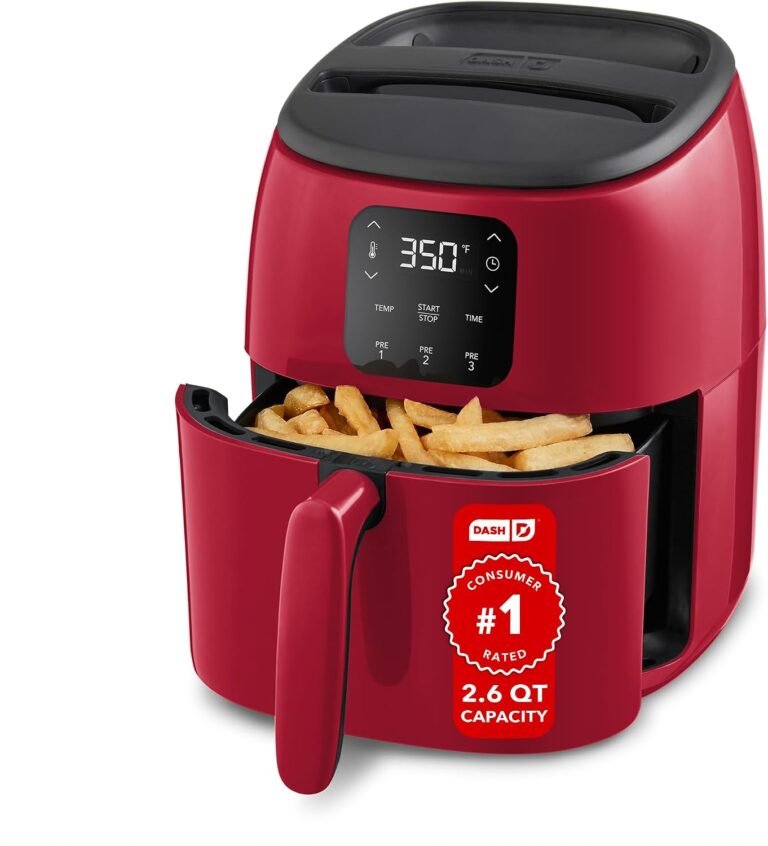
An air fryer oven works like a small convection oven on steroids. It packs a powerful fan right next to the heating element. That fan moves air at high speed, which dries the food’s surface fast. The result is that golden, crunchy exterior you love.
Why Air Circulation Speed Matters
Think of a gentle breeze versus a strong wind. A gentle breeze dries clothes slowly. A strong wind does it fast. The same idea applies here. Faster air removes surface moisture quicker, giving you crispiness without deep frying.
This is why air fryers can turn frozen fries into crunchy snacks in under 15 minutes. A convection oven will give you even cooking, but it takes longer to build that same crust.
Speed and Preheat: The Race to Dinner
When you’re hungry, every minute counts. We found that air fryer ovens reach cooking temperature in about 3 to 5 minutes. That is much faster than most convection ovens, which can take 10 to 15 minutes to preheat.
That time difference adds up. For quick meals like chicken tenders, fish fillets, or roasted veggies, the air fryer wins by a mile. You can have dinner on the table before your convection oven even beeps.
Energy Use: Which One Costs Less
The air fryer uses less energy to run. It heats a small space, so it needs less power. Many experts point out that smaller appliances naturally use less electricity (U.S. Department of Energy).
A full-size convection oven uses more energy because it heats a huge cavity. Even with the fan running, that big space takes a lot of power. Over a year, this difference shows up on your utility bill.
When Convection Saves You Money
That flips, though, when you cook big meals. If you roast a 5-pound chicken once a week, the convection oven does it in one shot. The air fryer would need multiple batches. That adds time and energy.
So smaller meals favor the air fryer. Bigger meals favor the convection oven. It all comes down to your typical portion sizes.
Capacity: Cooking for One Versus Cooking for a Crowd
This is the biggest difference between the two. Air fryer ovens typically hold 2 to 6 quarts of food. That handles a couple of chicken breasts or a single layer of fries. You cannot fit a whole turkey in there, no matter how you wiggle it.
Convection ovens, especially full-size models, hold multiple racks. You can bake two trays of cookies or roast a large chicken with vegetables all around it. This makes convection the clear winner for families or meal preppers.
Batch Cooking With an Air Fryer
If you cook for four or more people, the air fryer gets tedious. You will cook in rounds. The first batch gets cold while the second batch crisps up. We found this is the number one complaint from air fryer owners.
Some larger air fryer ovens (the toaster-oven style) help with this. They hold more than basket models. But they still cannot match the space of a real convection oven.
Rack Position and Even Cooking
With a convection oven, you can use multiple racks at once. You just need to rotate the trays halfway through. Air movement is good, but not perfect, in either appliance.
In an air fryer, you only have one basket or one rack. You can shake the basket to redistribute food, but nothing will match the volume you get from a full oven. For big holiday meals, convection is your friend.
Texture and Cooking Results: Crispy Versus Even
Let’s talk about the food itself. Air fryers excel at one thing: texture. They give you that deep-fried crunch using a fraction of the oil. Mozzarella sticks, onion rings, and chicken wings all come out shatteringly crispy.
Convection ovens give you even browning and a consistent bake. Cookies spread evenly. Cakes rise without a burnt top. Roasted vegetables caramelize nicely, though they won’t get as crispy as they would in an air fryer.
| Feature | Air Fryer Oven | Convection Oven |
|---|---|---|
| Preheat time | 3 to 5 minutes | 10 to 15 minutes |
| Best for | Fries, wings, quick meals | Baking, roasting, large batches |
| Crispiness | Excellent | Good |
| Capacity | 2 to 6 quarts | 5 to 30+ quarts |
| Energy use | Lower | Higher |
| Best for families | No | Yes |
Baking Performance: A Clear Winner
If you bake bread, cakes, or pastries, the convection oven wins. The slower air movement bakes evenly without drying out the outer layer too fast. Air fryers can brown baked goods too quickly on the outside while leaving the center undercooked.
We found that many bakers prefer convection for its consistent temperature. The fan prevents hot spots that can burn one corner of a cake pan.
Roasting Whole Proteins
For a whole chicken or a large roast, convection is the way to go. The air fryer is too small for most whole birds. And if you cram one in, the cooking can be uneven.
Convection ovens give you a beautiful browned skin and juicy meat. The circulating air helps render fat and crisp the skin without rotating the pan every 10 minutes.
Counter Space and Kitchen Setup
Most air fryer ovens take up somewhere between a coffee maker and a microwave. They sit on your counter and demand a permanent spot. The basket-style models are compact, but the larger toaster-oven styles eat up space.
Convection ovens are often built into your kitchen. You do not need extra counter space. If you buy a countertop convection oven, though, plan for a large footprint. These units are big and heavy.
What to Check Before You Buy
Measure your space first. Look at your kitchen counters and your current oven setup. We suggest you visualize both options in your kitchen before spending any money.
Also consider how often you will actually use the appliance. An air fryer that sits in a cabinet helps no one. Neither does a convection oven you never turn on.
Do You Own Both Already?
Many people already have a convection oven and buy an air fryer too. That is okay. They serve different purposes. Keep the convection oven for big bakes and the air fryer for quick crispy sides.
If you have limited space and budget, you can start with one. Your cooking habits should drive that choice, not the latest trend.
The Bottom Line: Which One Fits Your Life?
Here is a simple checklist to guide your decision. Be honest with yourself about how you cook most nights.
- You cook for 1 to 2 people and want quick meals — choose an air fryer.
- You love crispy snacks like fries, wings, or egg rolls — the air fryer delivers best.
- You bake cookies, cakes, or bread regularly — pick a convection oven.
- You cook for a family of 4 or more — go with a convection oven for capacity.
- You have limited counter space but already own a full oven — start with an air fryer.
- You hate preheating and need food fast — air fryer wins every time.
We found that most households end up using one more than the other. If you are buying your first one, start with the appliance that matches your biggest cooking pain point. If that is crunchy fries without deep frying, an air fryer is your friend. If that is baking a birthday cake without a burnt top, a convection oven is the answer.
Conclusion
You now have the full picture. The air fryer oven wins for speed and crispy texture. The convection oven wins for capacity and even baking. Your kitchen habits should decide which one you bring home.
Think about your busiest cooking nights. Do you crave quick, crunchy meals for one or two? Grab an air fryer. Do you roast whole chickens or bake multiple trays of cookies? Stick with convection.
Start with the appliance that solves your biggest cooking frustration. You can always add the other later. That is the smartest way to spend your money and your counter space.
Frequently Asked Questions
Can you use an air fryer as a regular oven?
Yes, but with limits. Air fryer ovens can bake cookies, toast bread, and roast small cuts of meat. They just cannot handle large trays or big batches. You will work in smaller portions, but the results are still great.
Is a convection oven the same as an air fryer?
Not quite. Both use a fan to circulate hot air, but the air fryer uses a more powerful fan in a smaller space. That extra air speed creates a crispier exterior. A convection oven cooks more gently and evenly across a larger area.
Do you need to preheat a convection oven before air frying?
You should preheat both appliances for best results. An air fryer preheats in just a few minutes, so it is easy to wait. A convection oven takes longer, but skipping the preheat can lead to uneven cooking and longer cook times.
Which appliance uses less oil for crispy food?
The air fryer needs almost no oil. You can use a light spray or a teaspoon of oil for extra crunch. A convection oven also works with minimal oil, but it will not get things quite as crispy as the air fryer does.
Can you bake a cake in an air fryer oven?
You can, but you need a small pan. Check that the pan fits inside the basket before you start. Also, watch the top carefully. Air fryers can brown baked goods quickly, so you may need to cover the cake with foil partway through. A convection oven gives you a more predictable bake.