Open Your Pressure Cooker Safely: Essential Steps
Opening a pressure cooker safely is all about releasing the pressure correctly before you try to unlock the lid. Always wait for the pressure indicator to drop completely. If you’re in a hurry, use the quick-release method described in your cooker’s manual. Never force the lid open when pressure is still present.
Pressure cookers work by trapping steam, which builds up heat and cooks food faster. But this trapped steam means you need to be cautious. Understanding the safety features and proper techniques is key to avoiding burns or other kitchen accidents. We’ve researched the best ways to ensure your cooking experience is both efficient and completely safe.
- Always wait for the pressure to fully release.
- Never try to force the lid open.
- Use the quick-release method if needed, following your manual.
- Ensure the pressure indicator is down before opening.
- Steam can cause serious burns.
Let’s walk through exactly how to open your pressure cooker the right way, step by step.
Mastering Pressure Cooker Lid Release Safely
Opening your pressure cooker might seem straightforward, but doing it the wrong way can lead to unpleasant surprises. Your goal is to safely release all trapped steam and pressure before attempting to open the lid. This is essential to prevent serious burns from scalding steam or hot liquid.
We’ve broken down the process into simple, actionable steps. You’ll feel confident and secure every time you use your pressure cooker. Let’s make sure your cooking adventures are always safe and enjoyable.
Understanding Pressure Release Methods
Pressure cookers build immense heat and pressure. Safely releasing this pressure is the most important part of opening your cooker. There are typically two main ways to do this: natural release and quick release. Your pressure cooker’s manual will detail which methods are appropriate for it and for different types of food.
1. The Natural Pressure Release Method
This is the simplest and often safest method for many recipes. It involves simply letting the cooker sit after cooking is finished. The pressure will gradually decrease on its own. This can take anywhere from 10 to 30 minutes, depending on how full the pot is and how much liquid is inside. You’ll know the pressure is gone when the float valve or pressure indicator pin drops completely.
Natural release is often recommended for meats and beans. It helps to keep them tender and prevents them from breaking apart too easily. Think of it like letting a tense situation slowly calm down. Rushing it can sometimes cause unintended consequences, like tough meat.
When to Use Natural Release
- Recipes that benefit from slow cooling.
- Foods that could become mushy if cooled too quickly.
- When you aren’t in a rush to serve.
2. The Quick Pressure Release Method
If you’re short on time or your recipe specifically calls for it, the quick release method is your go-to. This involves manually venting the steam. Most modern electric pressure cookers have a steam release valve or knob you can turn. Stovetop models usually require you to carefully move the pressure regulator weight. Always consult your manual for your specific model.
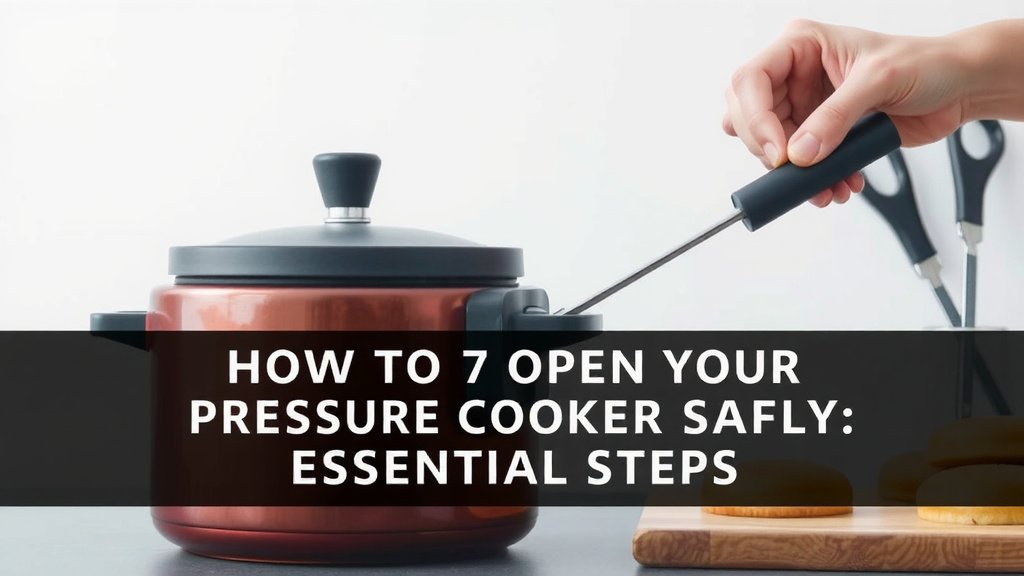
Caution is key here! When you initiate the quick release, a powerful jet of steam will shoot out of the vent. Keep your hands, face, and any sensitive items away from this steam. It is extremely hot and can cause severe burns. Many experts advise using a long utensil to move the valve or weight, keeping a safe distance.
How to Perform a Quick Release Safely
- Ensure the food being cooked is suitable for quick release.
- Identify the steam release valve or knob.
- Use a long utensil (like a wooden spoon) to carefully turn the valve.
- Keep all body parts away from the steam vent.
- Observe the pressure indicator pin; it should drop quickly.
Foods Best Suited for Quick Release
- Vegetables that you want to remain crisp.
- Grains like rice or pasta.
- Dishes where rapid cooling is desired.
What If You’re in a Hurry?
Sometimes dinner needs to be on the table *now*. If you need to open your pressure cooker faster than natural release allows, the quick release method is your friend. Just remember the safety precautions we discussed.
If your pressure cooker model allows, you might also have an option for a cold water bath for stovetop models. This involves carefully placing the base of the sealed pressure cooker into a sink filled with cold water. The rapid cooling helps reduce the internal pressure quickly. However, never submerge the entire cooker, and be aware that this method can sometimes cause sudden spurts of steam.
We found that following the manufacturer’s instructions for your specific cooker is always the most reliable approach. They know their product best!
Checking for Remaining Pressure: The Critical Step
This is the step that absolutely cannot be skipped. Before you even think about twisting or lifting the lid, you must confirm that all internal pressure has dissipated. How do you do this?
The Pressure Indicator Pin or Float Valve
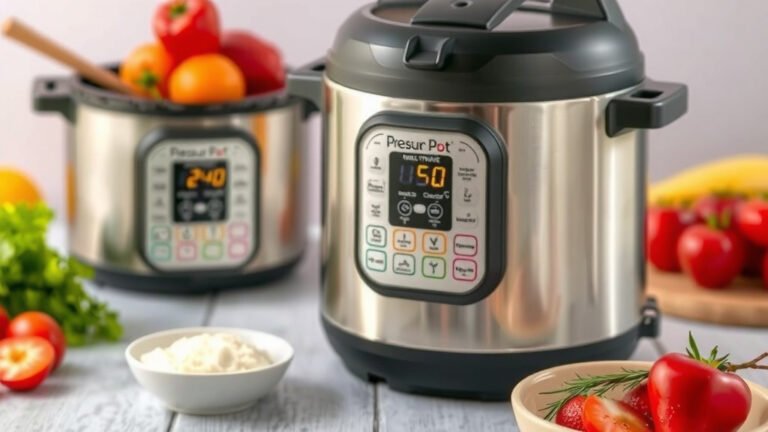
Most pressure cookers have a visual indicator that lets you know when it’s safe to open. This is often a small pin that pops up when the cooker is under pressure and sits flush or drops down when the pressure is gone. Some models might have a “float valve” that does the same thing.
If this pin or valve is still up, there is still pressure inside. Do not attempt to open the lid. Wait a little longer. If it’s taking an unusually long time and you’ve used the quick release, double-check that the valve is fully open. Sometimes a tiny bit of food can clog the vent.
A Word on Stovetop Models
For older stovetop models, you might not have a clear indicator pin. In these cases, you would rely on the time it takes for the pressure to release naturally or by carefully removing the weight. Many safety guides (like those from the FDA) stress the importance of ensuring the steam has completely stopped escaping before attempting to open.
The Table: Natural vs. Quick Release Comparison
Here’s a quick rundown to help you decide which method is best for your situation:
| Feature | Natural Release | Quick Release |
|---|---|---|
| Speed | Slow (10-30+ minutes) | Fast (1-5 minutes) |
| Steam Release | Gradual, minimal steam | Sudden, powerful steam jet |
| Food Texture | Tender, good for meats/beans | Crisper, good for vegetables/grains |
| Safety Consideration | Low risk of steam burns | High risk of steam burns; use caution |
| When to Use | When time allows, for tenderizing | When speed is needed, for crispness |
Never Force It!
We cannot stress this enough: never force the lid open. If the lid feels stuck, or if the pressure indicator hasn’t dropped, there is still pressure trapped inside. Trying to pry it open can cause the lid to blow off suddenly, sending hot food and liquid everywhere. This is incredibly dangerous.
If you’ve waited and the indicator pin stubbornly stays up, calmly check your steam release valve one more time. Ensure it’s fully in the open position. If it’s a stovetop model, carefully ensure the weight is completely removed or set aside. Patience here is your best safety tool.
Your Pressure Cooker Opening Checklist
Keep this handy to ensure you never miss a safety step:
- Confirm cooking time is complete.
- Choose the correct release method (natural or quick).
- If using quick release, keep hands and face away.
- Wait for the pressure indicator pin to drop completely.
- Gently try to unlock the lid – it should open easily.
- If stuck, re-check pressure and release valve.
Conclusion
You’ve learned that safely opening your pressure cooker is all about managing the pressure release. Whether you choose the natural release for tender results or the quick release for speed, always prioritize safety. The pressure indicator pin is your best friend, letting you know when it’s truly safe to open. Never force the lid; patience ensures you avoid dangerous steam. By following these steps, you’ll master your pressure cooker and enjoy delicious meals safely every time. Next time you cook, remember to always wait for the indicator to drop.
Frequently Asked Questions
What if my pressure indicator pin won’t drop?
If the pressure indicator pin is still raised after you’ve attempted a release, there’s likely still pressure inside. Double-check that the steam release valve is fully open, especially after a quick release. Sometimes a small piece of food can obstruct the vent; ensure it’s clear. If it remains stuck, wait a few more minutes before trying again.
Can I use the quick release method for any food?
No, the quick release method isn’t suitable for all foods. It’s best for vegetables, grains, or dishes where you want to retain crispness or prevent overcooking. Foods like meats or beans can sometimes become tougher or fall apart if subjected to a sudden pressure drop. Always check your recipe or cooker manual for guidance.
Is it safe to use the cold water bath method on my pressure cooker?
The cold water bath method is generally only recommended for certain stovetop models and requires extreme caution. It can rapidly reduce pressure but can also cause sudden steam release. You should never submerge the entire cooker. Always consult your pressure cooker’s manual to see if this method is suggested and how to do it safely.
How do I know if my pressure cooker is old and might not have safety features?
Older pressure cooker models, especially stovetop ones, might lack a visible pressure indicator pin or have simpler steam release mechanisms. If you’re unsure about your cooker’s safety features, it’s best to consult the original manual or the manufacturer’s website. For maximum safety, consider newer models that often include enhanced safety locks and indicators.
What should I do if I accidentally try to open the lid too soon?
If you attempt to open the lid and it feels locked or you hear hissing steam, immediately stop and step back. This means there is still pressure inside. Secure the lid again and allow more time for the pressure to release naturally or use the appropriate quick-release method as per your manual. Never try to force it open.