What Is the Porridge Setting on a Rice Cooker? A Simple Guide
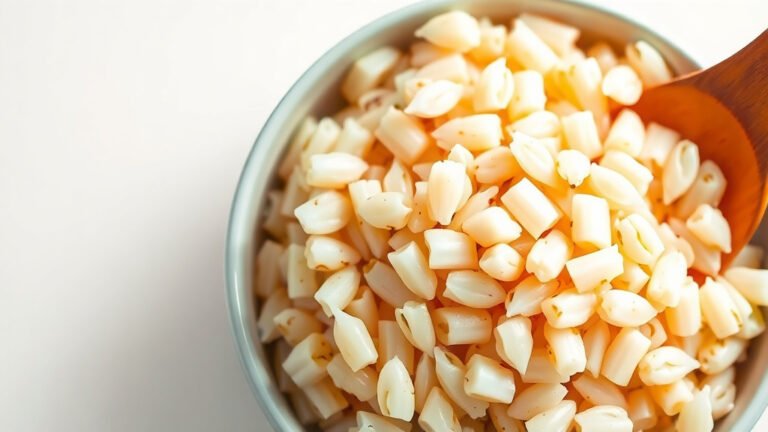
A porridge setting on a rice cooker is a special mode that cooks grains low and slow, at a gentle temperature, for a longer time. It creates soft, creamy porridge or congee instead of fluffy rice. Think of it as the “set it and forget it” button for breakfast.
Most rice cookers with this setting use a longer cook cycle and extra water to break down the rice into a smooth, soupy texture. Many models also stir or pulse gently to prevent sticking. We researched several popular rice cooker brands and found that some porridge settings run for 45 to 90 minutes, which is why you can’t rush them. For comparison, our guide to rice cooker cook times explains how long standard rice modes take.
- A porridge setting cooks rice into a soft, creamy congee-like dish.
- It uses lower heat and more liquid than the regular rice mode.
- Cook times usually range from about 45 minutes to 90 minutes.
- You can use it for rice porridge, oatmeal, and even soupy grain bowls.
- Never open the lid mid-cycle, or you’ll lose heat and add cook time.
Below, we break down exactly how this setting works, when to use it, and a few tricks we found that make your porridge turn out perfect every time. Let’s get into it.
Porridge Setting Basics: How It Works in Your Rice Cooker
The porridge setting works by lowering the cooking temperature and stretching out the cook time. Instead of boiling hard and fast like the white rice mode, it simmers gently so the grains can soften and slowly release their starch.
We found that most machines handle this in two ways. Basic models simply extend the cook cycle and add rest periods. Fancier models pulse the heat on and off, which mimics stirring without you lifting a finger.
What Happens During the Cycle
Here’s the short version: heat, patience, and starch do all the work. The rice sits in extra liquid while the cooker keeps everything just below a rolling boil. Over 45 to 90 minutes, the grains swell up and break apart.
That starch release is the magic. It thickens the liquid into that creamy, spoon-coating texture we all love. Think of it like making a roux in reverse — instead of thickening a sauce on purpose, the grain does it for you.
Many models also include a keep-warm phase after the cycle ends. This lets the porridge settle and thicken a bit more. So even when the beep sounds, give it 5 to 10 minutes before serving.
Water Ratios and Cook Times to Know
Water is where most people mess up. Regular rice needs a 1:1 ratio, but porridge needs way more liquid. We researched several brand manuals and found a pretty consistent pattern across machines.
| Grain | Water Ratio (Grain : Water) | Typical Cook Time |
|---|---|---|
| White rice (congee) | 1 : 8 | 45–60 minutes |
| Brown rice (congee) | 1 : 9 | 60–90 minutes |
| Steel-cut oats | 1 : 4 | 30–45 minutes |
| Quinoa or millet | 1 : 6 | 45–55 minutes |
Start on the low end of the water range. You can always stir in more hot water at the end. You can’t easily fix soup that’s too thin without more cooking time.
When to Use the Porridge Setting
Reach for this setting whenever you want soft, spoonable, and comforting. It shines at breakfast, but it’s honestly great for dinner too — especially when someone in the house isn’t feeling well.
Sounds cozy, right? It is. But it’s also practical, because the low-and-slow method is gentler on your machine than repeated stovetop stirring ever could be.
Classic Congee and Rice Porridge
Congee is the star here. It’s a beloved rice porridge eaten across China and much of Asia, often topped with soft eggs, scallions, or shredded chicken. Many families serve it as comfort food during illness, and for good reason.
Resources like the NIH note that easy-to-digest foods are often recommended when you’re recovering from stomach trouble. A bowl of mild, warm congee fits that bill nicely. Add a pinch of salt and ginger, and you’ve got a hug in a bowl.
Oatmeal and Other Grain Bowls
Don’t sleep on the porridge setting for breakfast oats. Steel-cut oats come out creamy and hands-free, which is a big deal if you’re trying to feed kids while packing lunches. We found that many parents set it the night before and wake up to ready oatmeal.
Savory grain bowls work too. Try quinoa, millet, or even a mix of leftover rice and broth. Porridge doesn’t have to be sweet to be delicious.
Tips for Better Porridge Every Single Time
A few small habits separate gluey porridge from restaurant-quality porridge. We found these tips repeated again and again across manufacturer guides and cooking experts alike. Follow them and you’ll rarely be disappointed.
Your Pre-Cook Checklist
- Rinse your rice until the water runs mostly clear.
- Measure water carefully — don’t eyeball it the first few times.
- Add a small pinch of salt before cooking, not after.
- Scrape the bottom of the pot gently after the cycle ends.
- Let the porridge rest 5–10 minutes on keep-warm before serving.
- Taste and adjust with hot broth or water before plating.
That last tip matters more than you’d think. Porridge thickens as it rests, almost like pudding. Judge the texture too early and you’ll add water you didn’t need.
Mistakes That Ruin the Texture
The number one offender? Lifting the lid mid-cycle. Every peek releases heat and steam, and the cooker has to restart part of its timing. Many manuals state this plainly, yet we’ve all done it anyway. No judgment.
Mistake number two is using too little water. Without enough liquid, the starch has nowhere to go and you get thick, gummy paste. If it happens, whisk in hot water a half cup at a time.
Mistake number three: skipping the rest. Cutting straight from pot to bowl gives you runny porridge that separates. Patience costs you nothing here.

Porridge Mode Compared to Other Rice Cooker Settings
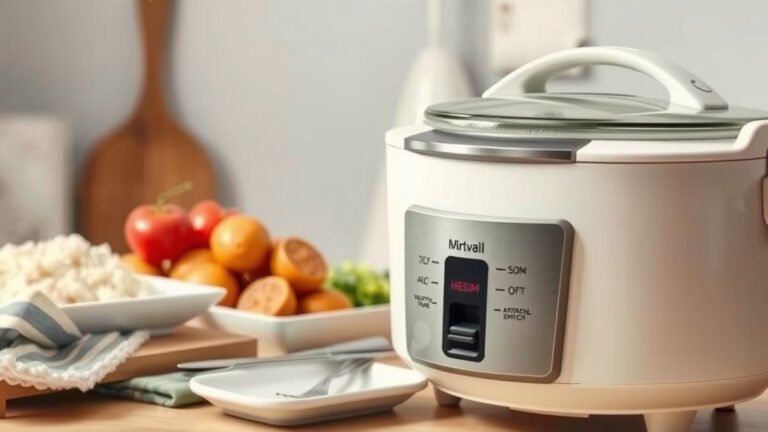
Confused by all the buttons on the panel? You’re not alone. Modern cookers look like airplane cockpits. Here’s how porridge mode stacks up against the modes you probably use most.
- White rice mode: High heat, short time, fluffy result. Porridge mode is its slow, soupy cousin.
- Brown rice mode: Longer than white rice but still firm grains — not creamy.
- Slow cook mode: Similar low heat, but no starch-focused timing or pulsing.
- Keep warm mode: Holds temperature only. It won’t cook porridge on its own.
So which one wins for creamy grains? Porridge mode, every time. It was built for exactly this job, and using the right mode is like using the right tool in your toolbox — possible to substitute, but never quite as good.
One safety note before you go. Rice can carry a naturally occurring substance called bacillus cereus if cooked rice sits too long at room temperature, so food safety guidance from the CDC recommends refrigerating leftovers within two hours. Your rice cooker’s keep-warm function is fine for a few hours, but overnight storage belongs in the fridge.
Conclusion
The porridge setting is one of the easiest buttons to underuse and one of the most rewarding to master. You now know it cooks low and slow, needs far more water than regular rice mode, and rewards your patience with a creamy, spoonable result. You also know the big wins to aim for: rinse your grains, measure your liquid, and keep that lid closed. We found that most porridge failures come down to just those three things. So here’s your next step: check your rice cooker’s manual for the porridge water ratio, grab a cup of rice, and make your first bowl of congee this week. Once you taste it, you’ll wonder why you skipped that button for so long.
Frequently Asked Questions
Can I cook other grains besides rice on the porridge setting?
You can. Steel-cut oats, quinoa, millet, and even mixed grain blends all work well on this mode. Just adjust the water ratio for each grain and expect slightly different cook times.
Why is my porridge still watery after the cycle ends?
It probably just needs time. Porridge thickens noticeably during the keep-warm rest, so give it 5 to 10 minutes with the lid on. If it’s still thin after that, cook it a bit longer or simmer off the extra liquid.
Can I add meat or vegetables to the porridge setting?
Yes, but timing matters. Add quick-cooking items like sliced chicken or greens near the end, or use pre-cooked proteins so nothing stays underdone. Hardy ingredients like dried mushrooms can go in from the start.
Does the porridge setting use more electricity than regular rice mode?
Slightly, because it runs longer, but the difference is small. Rice cookers draw modest power, and the lower heat during most of the cycle offsets some of that extra time. It’s still cheaper than running your stove for an hour.
What if my rice cooker doesn’t have a porridge setting?
You have options. Many people use the white rice mode with extra water and run a second short cycle if needed. A slow cooker on low for a few hours is another solid workaround.