Easy Fix: How to Clean Burnt Rice Cooker Fast
The easiest way to clean burnt rice cooker is by soaking it. You can use a baking soda paste or hot water and dish soap. This helps loosen the stuck-on grains. For really stubborn spots, a bit of gentle scrubbing might be needed.
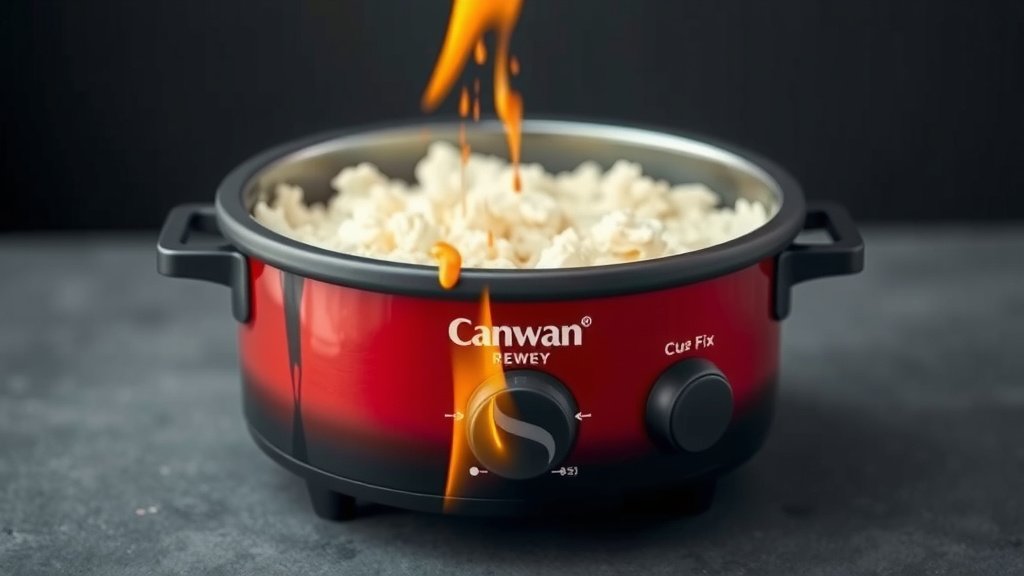
Dealing with burnt rice can be frustrating. We’ve all been there, finding that crusty layer at the bottom of your cooker. Don’t worry, it’s usually a manageable fix. Most burnt rice situations can be resolved with common household items and a little patience.
- Soak the burnt pot first.
- Use baking soda or hot soapy water.
- Scrape gently if needed.
- Rinse thoroughly afterwards.
Let’s walk through exactly how to get that rice cooker sparkling clean again, step by step.
“`htmlTackling That Burnt Rice in Your Rice Cooker
Don’t let burnt rice get you down! We’ve all faced that sticky, charred situation. It looks tough, but it’s usually fixable with common items. This guide will help you get your rice cooker back to its shiny best.
Step-by-Step Rice Cooker Rescue
Step 1: The Initial Soak
The very first thing you should do is let the pot soak. This is key to loosening those stubborn, burnt-on bits. Imagine giving the burnt rice a little spa day – it needs time to relax!
Fill the inner pot with hot water. Add a good squirt of your favorite dish soap. Let it sit for at least an hour, or even overnight for really tough cases. This gives the water and soap time to work their magic. They start breaking down the burnt sugars and starches. This is often enough to clean most messes.
Step 2: Baking Soda Power
If plain hot water and soap didn’t quite do the trick, it’s time for baking soda. This humble pantry staple is a fantastic natural cleaner. Many cleaning experts recommend it for its gentle abrasive qualities.
Making Your Baking Soda Paste
You’ll want to make a thick paste. Mix about 1/2 cup of baking soda with a few tablespoons of water. Stir it until you get a consistency like toothpaste. It should be thick enough to stick to the burnt areas.
Applying the Paste
Gently spread this paste over all the burnt-on spots inside your rice cooker pot. Make sure you cover the entire affected area. Let it sit for another 15-30 minutes. The baking soda will react with the burnt residue, helping to lift it away. You might even see a little fizzing action!
Step 3: Gentle Scrubbing Techniques
Now comes the actual cleaning part. You want to be firm but gentle. Remember, you don’t want to scratch the non-stick coating of your rice cooker pot.
What Tools to Use (and Avoid!)
A soft sponge or a cloth is your best friend here. If you need a little more power, a plastic scraper can be helpful. Avoid steel wool or abrasive scouring pads. They can damage the pot’s surface permanently. We found that using a wooden spoon for scraping can also work well, as it’s less likely to scratch.
The Scrubbing Process
With your chosen tool, gently start scrubbing the burnt areas. Work in small sections. You should feel the burnt rice grains starting to come loose. Rinse your sponge or cloth frequently to remove loosened debris. Keep working until all the burnt residue is gone. This might take a bit of patience, but it’s worth it!
Step 4: Tackling Stubborn Spots
Sometimes, despite your best efforts, a few stubborn spots remain. Don’t despair! We have a couple more tricks up our sleeve.
Vinegar – The Acidic Ally
For truly baked-on messes, a little bit of vinegar can help. Pour about a cup of white vinegar into the rice cooker pot. Let it sit for about 15-20 minutes. The acid in the vinegar can help break down tough burnt bits. After soaking, try scrubbing again with your soft sponge.
Important Note: Make sure to rinse the pot thoroughly after using vinegar. You don’t want your next batch of rice to have a vinegary tang! Many sources suggest this method after the baking soda paste if needed.
Boiling Water Method
Another effective technique is to boil water in the pot. Fill the pot with water, about halfway up the burnt area. Add a tablespoon of baking soda. Bring the water to a boil on your stovetop (if your pot is stovetop safe, otherwise use the rice cooker’s boil function if it has one). Let it simmer for about 10-15 minutes. This heat and baking soda combo can loosen even the most tenacious burnt-on rice. Once cooled slightly, carefully discard the water and proceed with gentle scrubbing.
Step 5: The Final Rinse and Dry
Once all the burnt residue is removed, it’s time for the final clean. Rinse the pot thoroughly under warm running water. Make sure all traces of baking soda, vinegar, or soap are gone. You can give it a final wipe with a clean cloth to ensure it’s spotless.
Dry the pot completely with a soft towel. This prevents water spots and keeps it looking great. Your rice cooker should now be as good as new!
A Quick Reference Checklist
Here’s a handy checklist to guide you:
- Soak the pot with hot, soapy water.
- Apply a baking soda paste to burnt areas.
- Let the paste sit for 15-30 minutes.
- Gently scrub with a soft sponge or plastic scraper.
- Use vinegar or boiling water for tough spots if needed.
- Rinse thoroughly and dry completely.
When to Consider Professional Help (Or Replacement)
For most situations, these cleaning methods will work wonders. However, if the non-stick coating is severely damaged or peeling, it might be time for a new inner pot. We found that deep scratches can harbor bacteria and affect cooking performance. Always check your appliance manual for specific cleaning instructions.
Conclusion
You’ve successfully navigated the often-dreaded burnt rice situation! Remember, a little patience and the right household items are your best allies. Soaking, baking soda paste, and gentle scrubbing are your go-to methods. We found these techniques effective for most common rice cooker messes. Don’t let a charred pot discourage you from enjoying perfectly cooked rice. Your next step is to gather your supplies and tackle that burnt rice with confidence!
Frequently Asked Questions
Can I use a metal spatula to scrape burnt rice?
We strongly advise against using metal utensils like spatulas or steel wool. These can easily scratch and damage the non-stick coating of your rice cooker pot. A soft sponge, cloth, or a plastic scraper is a much safer choice. Protecting that coating ensures your cooker lasts longer.
How long should I soak the rice cooker pot?
For light burnt messes, an hour of soaking in hot, soapy water is often enough. If the rice is really caked on, don’t hesitate to let it soak overnight. The longer soaking time gives the water and soap a better chance to break down those tough, stubborn bits. This is usually the most effective first step.
Is it safe to use vinegar to clean my rice cooker?
Yes, vinegar can be effective for stubborn burnt spots due to its acidity. However, always rinse the pot thoroughly afterward. You don’t want your next batch of rice to have a vinegary flavor! Many sources suggest using vinegar as a secondary step if baking soda alone isn’t enough.
What if the burnt rice is on the heating element itself?
Generally, the burnt rice is in the inner pot, not the heating element. Always unplug your rice cooker before cleaning. If some residue did get on the element, wait for it to cool completely. You can try wiping it gently with a damp cloth. Never submerge the heating element or use excessive water near it.
My rice cooker still looks a little discolored. Is this okay?
A slight discoloration might remain if the burnt residue was particularly deep or if the pot is older. As long as all the burnt food particles are gone and the surface is smooth to the touch, your rice cooker is likely safe to use. We found that residual staining doesn’t usually affect cooking performance. Just ensure it’s clean and dry before your next use.