Choosing a Range Cooker: Your Essential Buying Guide
Choosing the right range cooker involves considering your cooking style, kitchen space, and budget. You’ll want to think about fuel type, size, and specific features that match how you like to prepare meals. Many people find that understanding these key factors makes the decision much easier.
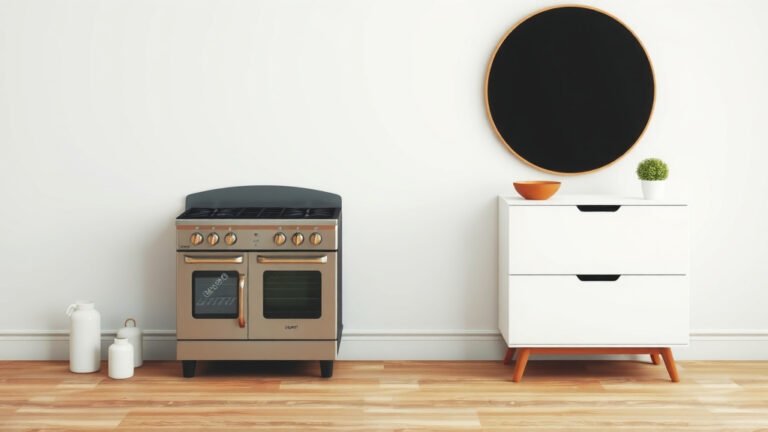
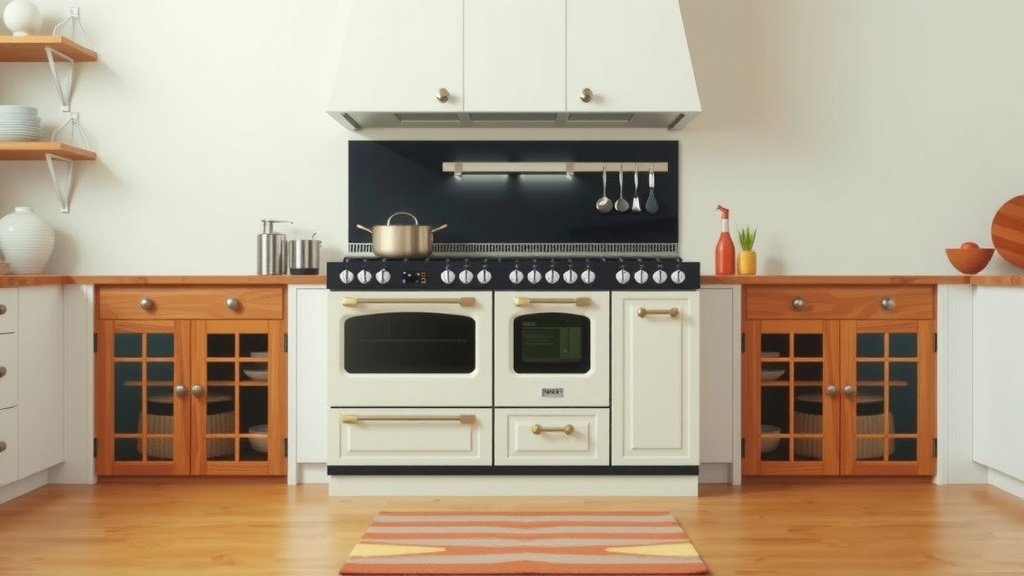
Range cookers offer a distinctive cooking experience. They often provide multiple ovens and a spacious hob, perfect for those who love to entertain or cook elaborate dishes. We’ve found that the best choice balances practicality with the kind of cooking performance you desire.
- Consider your cooking habits.
- Measure your kitchen space carefully.
- Decide on fuel type: gas, electric, or dual fuel.
- Think about oven capacity and hob burners.
- Set a realistic budget.
Let’s walk through exactly how to select the perfect range cooker for your home. We’ll cover everything you need to make an informed choice.
Selecting Your Ideal Range Cooker
You’re looking to bring a range cooker into your kitchen, and that’s exciting! These appliances are more than just a place to cook; they’re often the heart of a busy home. Our research shows that choosing the right one hinges on a few key factors. Let’s break down how you can find the perfect fit for your culinary adventures.
Fuel Type: The Core of Your Cooker
The first big decision you’ll make is the fuel type. This choice impacts performance, cost, and even the look of your kitchen. We found that understanding the pros and cons of each is essential for making the right selection.
Gas Cookers: For the Traditionalist Chef
Gas cookers offer that classic cooking experience many home chefs love. You get instant heat and precise control over your flames, which is fantastic for simmering sauces or searing steaks quickly. Many people prefer gas for its immediate responsiveness.
The downside? Gas can sometimes be less energy-efficient than electric options. Also, installation might require specific gas hookups, which could add to the initial cost if your kitchen isn’t already set up for it. Cleaning can also be a bit more involved with the grates and burners.
Electric Cookers: Modern Versatility
Electric range cookers come in a few varieties, each with its own benefits. They tend to offer a smoother cooking surface, making cleanup a breeze. Many models also provide a more consistent, even heat across the hob, which can be great for delicate cooking.
Ceramic Electric Hobs
These have a glass-ceramic surface with heating elements underneath. They heat up relatively quickly and offer a sleek, modern look. However, they can be prone to scratches and require careful handling.
Induction Electric Hobs
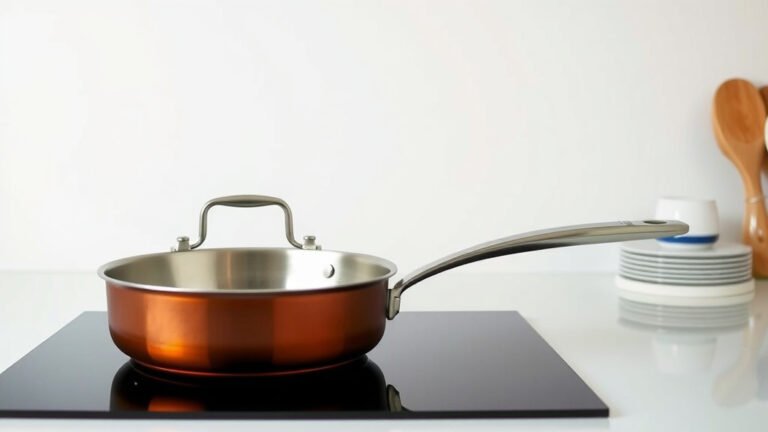
Induction is a game-changer for many. It uses electromagnetic fields to heat your cookware directly, meaning the hob surface itself stays cooler. This makes it incredibly safe and energy-efficient. It also heats up incredibly fast – we’re talking boiling water in minutes! You will need specific induction-compatible cookware, though, which is something to keep in mind.
Dual Fuel: The Best of Both Worlds
What if you can’t decide between gas and electric? Dual fuel range cookers are your answer! They typically combine a gas hob with electric ovens. This gives you the precise control of gas on top for your stovetop cooking and the even, consistent heat of electric in the ovens for baking and roasting. We found that many users rave about the flexibility this setup offers for a wide variety of cooking tasks.
Size Matters: Fitting Your Cooker into Your Space
This is where you’ll need your tape measure! Range cookers come in various widths, and choosing the right size is critical for both aesthetics and functionality. Trying to cram a giant cooker into a small space will only lead to frustration.
Standard Widths to Consider
Most range cookers fall into common width categories. You’ll frequently see 24-inch, 30-inch, 36-inch, and 48-inch models. A 24-inch cooker might be suitable for a smaller kitchen or apartment. For average-sized kitchens, 30 or 36 inches is often the sweet spot. If you have a large kitchen and a passion for elaborate meals, a 48-inch or even larger model could be perfect.
Measuring Your Kitchen Alcove
Don’t just measure the width. You need to consider the height and depth as well. Will the cooker fit under your cabinets? Is there enough clearance for ventilation? Many manufacturers provide detailed dimension diagrams. We recommend checking these carefully before you buy.
Also, think about adjacent cabinetry. You need adequate space on either side for doors to open fully, and you don’t want the cooker to feel cramped. A little breathing room makes a big difference in usability.
Ovens and Hobs: Your Cooking Command Center
Once you’ve got the fuel and size sorted, let’s look at the cooking capabilities. This is where your personal cooking style really comes into play.
How Many Ovens Do You Need?
Range cookers are famous for their multiple ovens. Do you need one, two, or even three? A single oven might suffice if you don’t cook complex meals often. However, many modern range cookers offer two ovens, which is incredibly useful. You can bake a cake in one while roasting a chicken in the other. Some larger models even feature a third, smaller warming oven.
Consider the oven types too. Some ovens are conventional, others are fan-assisted (convection), and some offer special functions like grilling. Fan ovens cook faster and more evenly, as the circulating air ensures consistent temperatures throughout. Conventional ovens are often preferred for traditional baking where you want a crispier crust.
Hob Burners: Space to Sauté and Simmer
Look at the hob layout. How many burners or zones does it have? For gas, count the individual burners. For electric or induction, count the cooking zones. Most standard cookers have four to six. If you often cook multiple dishes simultaneously, you’ll want more.
Think about burner sizes. Do you use large pots and pans often? Ensure there’s a suitably sized large burner. Do you need a simmer burner for delicate sauces? Many gas hobs include these. We found that a well-planned hob layout can significantly speed up meal preparation.
Features to Elevate Your Cooking Game
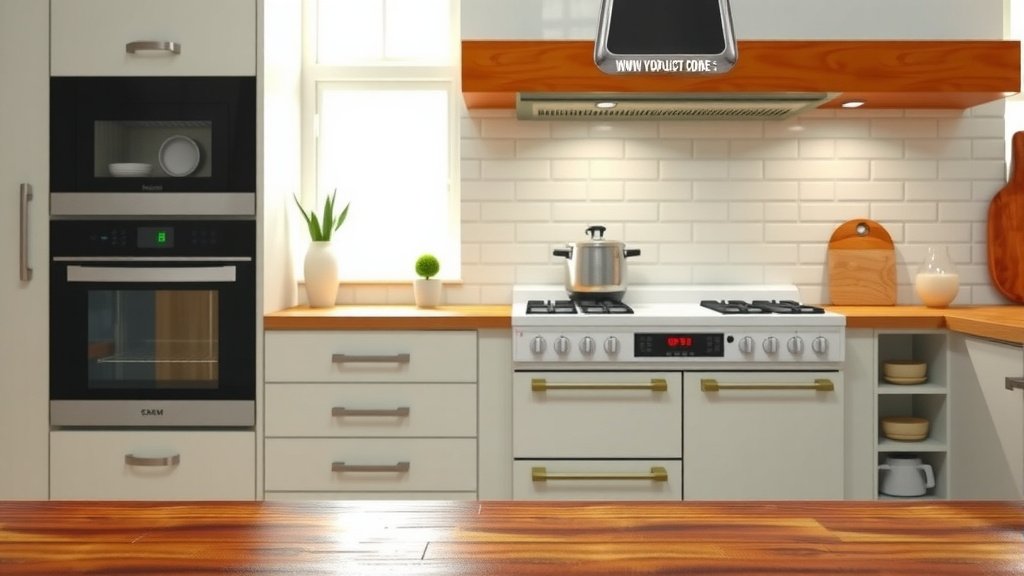
Beyond the basics, range cookers offer a host of features that can make your life easier and your food taste better.
Cleaning Functions
Some ovens come with self-cleaning functions like pyrolytic cleaning, where the oven heats up to a very high temperature, turning food residue into ash that you can simply wipe away. Others have catalytic liners that absorb grease during cooking. These can be real time-savers.
Specialized Burners and Woks
Some gas hobs feature a powerful wok burner, designed to reach high temperatures quickly, perfect for stir-frying. Others might have a dual-ring burner for more control over heat intensity. Many induction hobs have dedicated bridge zones that can connect two zones to accommodate larger cookware.
Storage Drawers
Many range cookers include a convenient storage drawer beneath the ovens. This is a fantastic spot to keep baking trays, racks, or even those rarely used pots and pans. It helps keep your kitchen tidy and your cooking essentials close at hand.
Budgeting for Your New Range Cooker
Range cookers represent an investment, and prices can vary widely. Before you start falling in love with the most luxurious model, it’s wise to set a realistic budget.
Consider not just the purchase price but also potential installation costs, especially if you need to upgrade gas lines or electrical outlets. Don’t forget the cost of new cookware if you’re switching to induction! We recommend looking for models that offer the features you truly need without overspending on extras you’ll never use.
Your Range Cooker Checklist
To help you finalize your decision, here’s a quick checklist:
- Have you measured your kitchen space accurately?
- Have you decided on your preferred fuel type (gas, electric, dual fuel)?
- Do you know how many ovens and hob burners you realistically need?
- Are there any specific features that would make your cooking easier?
- Have you set a clear budget, including potential installation costs?
- Are you prepared for any new cookware requirements (e.g., for induction)?
Conclusion
You’ve learned how to choose the right range cooker for your kitchen. Thinking about fuel type, size, and your personal cooking style will guide you. Consider how many ovens and hob burners you need. Don’t forget to factor in special features and your overall budget. Taking these steps ensures you’ll find a cooker that enhances your cooking experience. Your next step is to measure your space carefully and start browsing models that fit your criteria.
Frequently Asked Questions
What’s the difference between gas and induction hobs?
Gas hobs give you instant flame control for precise cooking, which many chefs prefer. Induction hobs use magnetic fields to heat your cookware directly, offering fast, energy-efficient heating and a safer, cooler surface. We’ve found induction requires specific magnetic cookware.
How do I know what size range cooker to buy?
You’ll need to accurately measure your kitchen alcove for width, height, and depth. Common widths are 24, 30, 36, and 48 inches. Ensure there’s adequate clearance for ventilation and door opening. We recommend checking manufacturer dimensions carefully.
Do I really need multiple ovens on a range cooker?
Multiple ovens offer great flexibility. You can bake and roast simultaneously or use a smaller oven for warming. If you often cook complex meals or entertain guests, two or more ovens can significantly streamline your cooking process.
Are range cookers difficult to clean?
Cleaning depends on the model and fuel type. Induction and ceramic hobs generally wipe clean easily. Some ovens offer self-cleaning functions like pyrolytic cleaning, which turns residue into ash. Gas cookers with grates and burners can be more involved to clean.
What is a dual fuel range cooker?
A dual fuel range cooker combines a gas hob with electric ovens. This setup provides the instant, precise heat control of a gas hob for stovetop cooking and the consistent, even temperature of electric ovens for baking and roasting. Many users love this combination for its versatility.