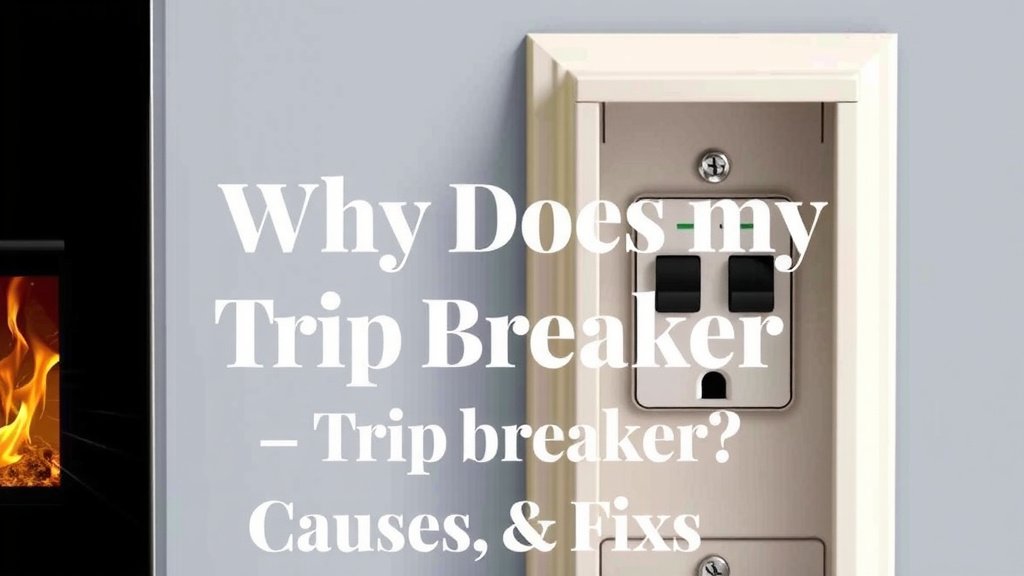
Why Does My Cooker Trip the Breaker? Causes & Fixes
Your cooker trips the breaker because it’s drawing too much power, or there’s a short circuit. This is a safety feature designed to protect your home from electrical fires. A cooker uses a lot of electricity, especially when heating up. It might be overloading your circuit if other appliances are running at the same time. Sometimes, a damaged cord or internal wiring can cause a short.
We found that several things can cause this common kitchen annoyance. It could be an appliance issue or a problem with your home’s wiring. Understanding the likely culprits helps you diagnose the problem quickly. Many experts point to issues like loose connections or a faulty heating element as frequent offenders. It’s always best to investigate safely.
- Cooker draws too much power.
- There’s a short circuit.
- Heating element might be broken.
- Circuit breaker is faulty.
- Other appliances are overloading the circuit.
Let’s walk through the most common reasons why your cooker might be causing the breaker to trip and what you can do about it.
Why Your Cooker Keeps Tripping the Breaker
That moment your cooker shuts down and the lights flicker can be frustrating, right? You’re in the middle of a delicious meal, and suddenly, everything goes dark. This common kitchen nuisance happens because your cooker is asking for more electrical power than the circuit can safely provide, or there’s a problem within the cooker or your home’s wiring system that’s causing a dangerous surge.
Understanding Circuit Breakers and Your Cooker’s Power Needs
Think of your circuit breaker as a tiny, but mighty, guardian for your home’s electrical system. It’s designed to interrupt the flow of electricity when something goes wrong, like a power surge or a short circuit. Your cooker, especially when heating up, is one of the biggest energy consumers in your kitchen. It needs a dedicated, high-amperage circuit because of its substantial power draw.
The Power Hungry Nature of Cookers
Electric cookers, whether they’re stoves, ovens, or a combination, use a lot of electricity. This is especially true for the heating elements. When you turn on the oven or stovetop, these elements glow red-hot, and that process requires a significant amount of amperage. Research shows that a typical electric oven can draw 15 to 30 amps, and a stovetop can draw even more, depending on the number of burners in use.
What is a Short Circuit?
A short circuit is essentially a faulty path for electricity to flow. Instead of going through the intended appliance, it takes a shortcut. This happens when electrical wires touch that shouldn’t, often due to damaged insulation. When a short circuit occurs, a massive amount of current rushes through the circuit, which is far beyond what the breaker can handle. This rapid surge is what immediately trips the breaker, acting as a safety measure to prevent overheating and potential fires.
Common Culprits Behind a Tripped Breaker
So, you’ve reset the breaker, and it trips again. What’s going on? There are several likely suspects. Let’s explore them from the most common to the less frequent, but still possible, causes.
Overloading the Circuit
This is perhaps the most frequent reason your cooker might be causing the breaker to trip. You might have too many high-demand appliances running on the same circuit as your cooker.
Appliance Overlap
Consider what else is plugged in and running when the breaker trips. Is your microwave on? Is your toaster working overtime? Maybe your coffee maker is brewing a large pot? If these, or other high-energy devices, share the same circuit as your cooker, you could easily exceed the circuit’s capacity. Many kitchens have circuits designed for specific appliances like the cooker, but older homes might have more general-purpose circuits that can get overwhelmed. We found that combining a running oven with a microwave and a kettle is a common recipe for a tripped breaker.
Issues with the Cooker Itself
Sometimes, the problem isn’t with your home’s wiring but with the cooker itself.
Faulty Heating Element
The heating elements in your oven or stovetop are hard workers. Over time, they can degrade. A worn-out or damaged heating element can draw excessive current, signaling the breaker to trip. You might notice uneven cooking or that certain parts of the element aren’t heating properly if this is the case.
Loose Wiring Connections
Inside the cooker, wires connect various components. If these connections become loose, perhaps due to vibration or age, it can create resistance. This resistance generates heat and can lead to a short circuit or an excessive power draw. Many appliance repair guides suggest checking internal connections as a step before replacing parts.
Damaged Power Cord
The cord that powers your cooker can also be a source of trouble. If it’s frayed, cut, or pinched, the wires inside can be exposed. This exposure can lead to a short circuit. Always inspect the power cord for any visible signs of damage before plugging it in. A damaged cord is a definite safety hazard.
Problems with the Circuit Breaker or Home Wiring
It’s not always the cooker; sometimes, the electrical system itself is the issue.
Aging or Faulty Circuit Breaker
Circuit breakers are designed to last for many years, but they aren’t immortal. An old or faulty breaker might become too sensitive and trip even when there’s no real overload. Conversely, a breaker that has tripped too often can weaken and fail to do its job. Many electricians recommend replacing breakers that are more than 20-30 years old as a preventative measure. We found that a breaker that trips repeatedly without a clear cause might be nearing the end of its lifespan.
Wiring Issues in Your Home
Sometimes, the problem can be with the wiring within your walls. Loose connections at the electrical panel, damaged wires, or outdated wiring can all contribute to tripping breakers. This is more common in older homes where wiring hasn’t been updated. It’s crucial to have a qualified electrician inspect your home’s wiring if you suspect this is the case. They can identify issues like corrosion or improper grounding.
Troubleshooting Steps to Take Safely
Before calling in a professional, there are a few things you can try yourself, but always prioritize safety. Remember, electricity can be dangerous.
Perform a Simple Power Audit
Start by turning off all other appliances that are on the same circuit as your cooker. Then, try turning on your cooker. If it works fine, you know you have an overloading issue. Gradually turn other appliances back on, one by one, until the breaker trips again. This will help you identify which combination of appliances is causing the problem. We found that unplugging everything else on that circuit is a good first diagnostic step.
Inspect the Cooker’s Power Cord
Visually inspect the power cord for any nicks, cuts, or signs of burning. Ensure it’s plugged in securely into the outlet. Never try to use a cooker with a visibly damaged cord.
Check the Circuit Breaker Panel
Locate your home’s electrical panel. You’ll see a series of switches. Identify the breaker that controls your cooker; it’s usually labeled. If it’s tripped, it will be in the “off” or a middle position. Flip it completely off, then firmly back to the “on” position. If it trips again immediately, it’s time to call for professional help.
Here’s a quick checklist to help you troubleshoot:
- Ensure other high-power appliances are off the same circuit.
- Visually inspect the cooker’s power cord for damage.
- Make sure the plug is firmly seated in the outlet.
- Reset the circuit breaker at the main panel.
- Listen for unusual sounds from the cooker when it’s on.
- Note any error codes displayed on a digital cooker.
Conclusion
When your cooker trips the breaker, it’s usually a sign that something needs attention. We’ve seen that the most common causes are overloading the circuit with other appliances or issues directly with the cooker itself, like a faulty heating element or loose wiring. Sometimes, even the circuit breaker can be the culprit.
Remember to always prioritize safety. Perform a simple power audit to check for overloads and visually inspect the power cord. If you reset the breaker and it trips again immediately, or if you suspect a problem with your home’s wiring, it’s time to call a qualified electrician. They can safely diagnose and fix the underlying issue, giving you peace of mind and a fully functional kitchen.
Frequently Asked Questions
What’s the difference between a tripped breaker and a blown fuse?
Circuit breakers and fuses both protect your home from electrical overloads, but they do it differently. A fuse contains a wire that melts and breaks the circuit when too much current flows. A circuit breaker, on the other hand, is a switch that automatically trips to the “off” position. Breakers can be reset, while fuses need to be replaced.
Can a faulty outlet cause my cooker to trip the breaker?
Yes, a damaged or faulty outlet can definitely cause issues. If the outlet itself has loose wiring or internal damage, it can create a short circuit or resistance, leading to the breaker tripping. Always ensure your cooker is plugged into a properly functioning outlet.
How often should I check my cooker’s power cord?
It’s a good practice to visually inspect your cooker’s power cord regularly, especially if you move the appliance. Look for any signs of fraying, cuts, or burn marks. We found that a damaged cord is a serious safety hazard and should be replaced immediately by a professional.
My breaker trips even when I’m not using the cooker. What could it be?
If the breaker trips when the cooker isn’t even on, the issue might be with the circuit breaker itself or the wiring connected to that circuit. An aging breaker can become overly sensitive. It could also indicate a problem in the wiring that’s causing a constant low-level short or fault, so it’s best to have an electrician investigate.
Is it safe to just keep resetting the breaker if it trips?
No, it’s not safe to repeatedly reset a breaker that keeps tripping. Each trip indicates an electrical problem that needs to be addressed. Continuously resetting it can damage the breaker further and, more importantly, it doesn’t fix the root cause, which could be a dangerous fault leading to overheating or fire.