To Stir or Not Stir in Your Slow Cooker
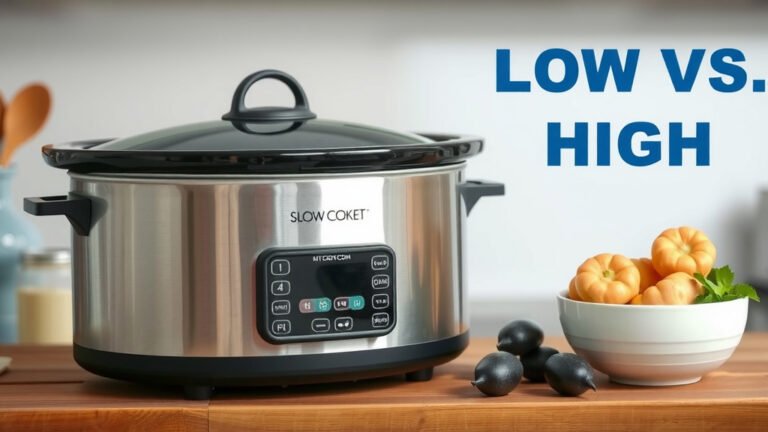
No, you generally do not stir food in a slow cooker while it’s cooking. Stirring can actually lower the temperature and prolong cooking time. Slow cookers work by building heat and maintaining a consistent temperature, much like an oven. Stirring can actually lower the temperature; our guide to slow cooker settings explains the difference between low and high.
For most slow cooker recipes, the magic happens with minimal intervention. You simply add your ingredients, set the heat, and let it do its thing. We found that resisting the urge to lift the lid or stir is key to achieving tender, perfectly cooked meals.
- Generally, stirring is not needed in a slow cooker.
- Lifting the lid releases heat, increasing cooking time.
- Follow recipe directions for ingredient order.
- Most recipes require zero stirring during cooking.
Let’s walk through the common practices and reasons why you should resist that urge to stir, so you can get the most out of your slow cooker.
“`htmlWhy You Should Generally Avoid Stirring Your Slow Cooker
Resisting the urge to stir your slow cooker is one of the biggest secrets to success. Many home cooks wonder if stirring is like cooking on the stovetop. We found that it’s quite the opposite. Stirring can actually work against the slow cooking process. It releases precious heat. This can slow down cooking significantly.
Understanding How Slow Cookers Work
Think of your slow cooker as a mini, gentle oven. It has a heating element, usually at the base or sides. This element heats the ceramic or stoneware insert. The lid then traps the steam and heat. This creates a consistent, low-temperature cooking environment. It cooks food evenly over a long period.
The Importance of Maintaining Temperature
Slow cookers excel at maintaining a stable temperature. This is key for tenderizing tougher cuts of meat. It also allows flavors to meld beautifully. Lifting the lid or stirring disrupts this stable environment. It lets hot air escape. Then, the cooker has to work harder to get back up to temperature. This adds a lot of time to the cooking process.
What the Experts Say About Stirring
Most slow cooker recipe developers and appliance manufacturers advise against stirring during the cooking cycle. They stress that the ingredients are designed to cook together undisturbed. Many guidelines point to maintaining consistent heat as essential for food safety and texture (FoodSafety.gov).
When Stirring Might Seem Necessary (But Isn’t)
You might look at a pot of stew or chili and think, “This needs a good stir!” It’s a natural instinct. You’re used to seeing sauces thicken or ingredients distribute more evenly on the stovetop. But in a slow cooker, the magic happens over time. The contents will naturally meld and distribute.
The Myth of Preventing Sticking
Some worry that food might stick to the bottom if not stirred. While some browning might occur with certain ingredients, slow cookers are designed to prevent major sticking. The low, moist heat environment typically keeps things from burning. If you’re using a recipe with ingredients prone to sticking, like onions or garlic, layering them correctly at the bottom is more important than stirring (Ohio State University Extension).
Distributing Flavor Without Stirring
You might think stirring helps spread the spices and liquids. However, the slow, gentle cooking process allows these elements to circulate naturally. The steam rises and condenses, coating the ingredients. This movement is often enough to distribute flavors effectively. Adding liquids at the beginning ensures ingredients are bathed in flavor.
The Impact of Lid Lifting on Cooking Time
Every time you lift the lid, you’re losing heat. We found that for every minute the lid is off, your slow cooker can lose up to 15-20 minutes of cooking time. For a recipe that takes 4 hours on high, opening the lid multiple times could easily push it to 5 or even 6 hours. That’s a big difference!
A Quick Temperature Test
To illustrate this, imagine your slow cooker is at a perfect 300°F (149°C). If you lift the lid for just 10 seconds, the temperature inside can drop significantly. It might fall to 200°F (93°C) or even lower. Reaching that original 300°F again takes time. This is why peeking is generally discouraged.
When is it Okay to Stir or Lift the Lid?
There are a few specific scenarios where stirring or checking might be necessary, but these are exceptions, not the rule.
Adding Ingredients Partway Through
Some recipes call for adding ingredients later in the cooking process. For example, you might add tender vegetables like peas or spinach in the last 30-60 minutes. In these cases, you’ll need to lift the lid to add them. A quick stir to incorporate them is perfectly fine then.
Checking for Doneness (Sparingly!)
Towards the end of the cooking time, you might want to check if your food is done. A quick poke with a fork or thermometer is acceptable. Try to do this quickly to minimize heat loss. If you do need to stir to check tenderness, do it as rapidly as possible.
Thickening Sauces or Gravies
If your recipe requires thickening at the end, like making a gravy, you’ll need to lift the lid. You might need to stir in a cornstarch slurry. Be aware that this process requires active cooking, often on a higher heat setting. Some slow cookers have a “boost” or “sear” function for this.
Smart Slow Cooker Strategies That Reduce Stirring Needs
To truly embrace the “set it and forget it” nature of slow cooking, planning is key. Here are some tips we found helpful:
- Layer Ingredients Thoughtfully: Place tougher, denser items like root vegetables and meats on the bottom. This ensures they cook through. Lighter ingredients like herbs or delicate vegetables can go on top.
- Ensure Enough Liquid: Most recipes need sufficient liquid to generate steam and cook evenly. If a recipe seems dry, consider adding a bit more broth or water.
- Follow Recipe Order: Recipes are usually written with ingredient order in mind. This helps with even cooking and flavor development without stirring.
- Trust the Process: This is the most important tip! Have faith that your slow cooker is designed to handle the cooking without constant attention.
A Quick Checklist for Slow Cooker Success
Want to make sure you’re using your slow cooker perfectly? Keep this checklist handy:
- Read your recipe thoroughly before you start.
- Prep all your ingredients before adding them.
- Layer ingredients according to recipe directions.
- Add all liquids at the beginning.
- Resist the urge to lift the lid during cooking.
- Trust your slow cooker to do the work!
Conclusion
You’ve learned that stirring your slow cooker isn’t typically necessary and can even be counterproductive. Remember, your slow cooker is designed to maintain a consistent, gentle heat. By resisting the urge to stir and keeping the lid on, you allow those flavors to meld beautifully and the ingredients to cook perfectly. Trust the process!
Your next slow cooker meal will be even better when you follow these principles. Next time you’re planning a slow cooker dish, focus on smart ingredient layering and sufficient liquid at the start. Then, simply let your appliance do the magic. You’ve got this!
Frequently Asked Questions
Can I stir my slow cooker chili or stew?
Generally, no. Chili and stew recipes are formulated to cook evenly without stirring. The slow, moist heat helps ingredients meld and distribute flavors naturally. Stirring releases heat, which can prolong cooking and make your chili or stew less tender.
What happens if I stir food in a slow cooker too much?
Stirring too much releases heat, causing your slow cooker to work harder to regain the set temperature. This can significantly increase your cooking time. It also may prevent meats from becoming as tender as they could be.
Is it okay to lift the lid to check on my food?
It’s best to avoid lifting the lid as much as possible. Each time you lift it, you lose significant heat, adding 15-20 minutes to your cooking time for every minute the lid is off. Try to trust the process and check only if absolutely necessary towards the end of cooking.
My recipe calls for adding ingredients later, do I stir then?
Yes, when a recipe specifically instructs you to add ingredients partway through, like fresh herbs or tender vegetables, you will need to lift the lid. A quick stir at this point to incorporate them is perfectly fine and expected.
Can I stir my slow cooker if I’m worried about sticking?
Slow cookers are designed to prevent sticking due to their low, moist heat. Layering ingredients correctly at the beginning, with denser items on the bottom, is more important than stirring. If a recipe has ingredients prone to sticking, like onions, ensure they are placed properly at the start.