Air Fryer vs Deep Fat Fryer: Which Is Healthier
If you want crispy food with less oil, the air fryer is the better choice. It uses hot air to crisp food with a fraction of the oil of a deep fat fryer. That means fewer calories and less mess in your kitchen.
But a deep fat fryer still has its place. Many people say it delivers the classic golden crunch that air fryers can’t quite match. The choice really comes down to your cooking style, your health goals, and your counter space. We looked at how both work, what they cost to run, and how the food actually tastes to give you the full picture.
- Health: Air fryers use up to 80% less oil than deep fryers.
- Taste: Deep fryers give a richer, more traditional fried flavor.
- Speed: Air fryers preheat fast and cook quicker than a big pot of oil.
- Cleanup: Air fryer baskets are easier to wash than a heavy fryer.
- Cost: Air fryers are cheaper to buy and typically use less electricity.
Below, we break down the real differences between an air fryer and a deep fat fryer so you can pick the right one for your kitchen. Let’s walk through the pros and cons together.
Air Fryer vs. Deep Fryer: The Real Kitchen Showdown
You want crispy fries without the guilt, right? We get it. The air fryer and the deep fat fryer both deliver crunch, but they go about it in totally different ways. We compared them side-by-side to help you choose the perfect match for your cooking style.
We found that your decision likely comes down to one main thing: your health priorities versus your love for that classic, indulgent flavor. Let’s break down exactly what happens inside each machine.
How an Air Fryer Works Its Magic
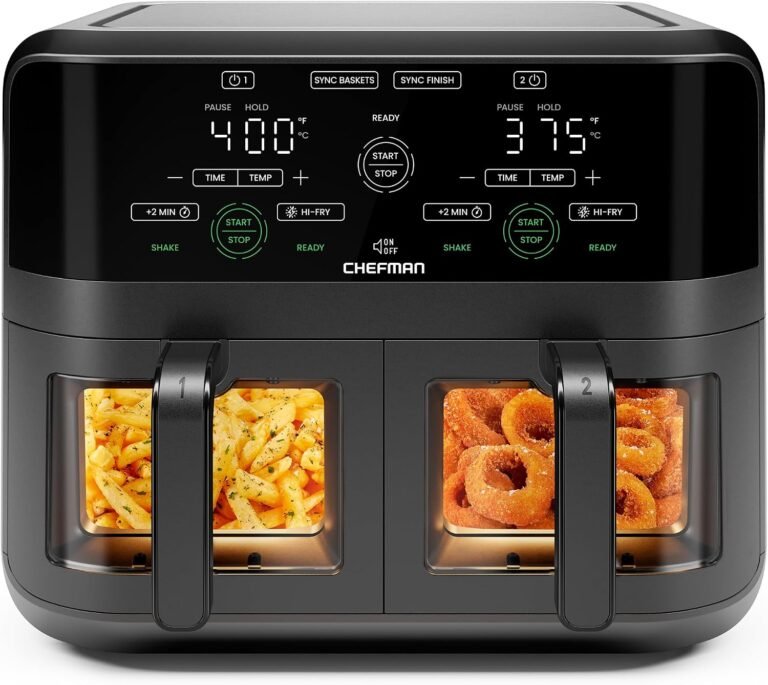
Think of an air fryer as a tiny, powerful convection oven. It uses a high-speed fan to circulate super-hot air around your food. This rapid circulation creates a dry, crispy outer layer through a chemical reaction called the Maillard reaction.
That reaction is what gives food that golden-brown color and savory flavor. You only need about a tablespoon of oil, or sometimes none at all. The hot air does all the heavy lifting. It’s like baking, but with a stronger fan and a hotter, more focused environment (Nebraska Medicine).
Why Hot Air Beats Hot Oil for Your Waistline
Because you use so little oil, the calorie count drops significantly. Many studies point out that air-fried foods contain less fat and fewer calories than their deep-fried counterparts (PubMed Central).
That’s a huge win if you’re watching your weight. You still get that snack-craving satisfaction, but you skip the heavy grease. It is also less messy. No hot oil splatters to worry about on your stovetop.
How a Deep Fat Fryer Creates That Classic Crunch
A deep fryer submerges your food entirely in hot oil. This method cooks food incredibly fast and evenly. The high heat instantly seals the outside, trapping moisture inside. This results in that signature crackly crust that many find impossible to replicate.
The flavor is richer and more complex because the food absorbs some of the oil. For many people, nothing quite beats the taste of food fried in a vat of bubbling oil. It is a sensory experience of sight and sound that an air fryer just can’t match.
What You Trade Off for That Rich Flavor
The trade-off is your health and your waistline. Deep-fried foods can absorb a lot of oil, which boosts calories and fat content instantly. This frequent consumption of fried foods is linked to higher risks of heart disease and type 2 diabetes (Cleveland Clinic).
It also takes a lot more oil to fill the basket. That can get expensive over time. Plus, you have to deal with the leftover oil, which requires careful disposal.
Comparing Real-World Performance in Your Kitchen
Beyond just the cooking method, how do these two perform in daily life? We looked at speed, cost, and cleanup to see which one fits better into a busy routine. Let’s look at the facts.
We found that the air fryer generally wins on convenience. It is a smarter choice for people who want fast meals with minimal fuss.
Speed and Efficiency: Who Gets Food on the Table Faster?
Air fryers are usually quicker to preheat. Many models are ready in just three to five minutes. Since they are small, the hot air reaches your food fast, cutting down total cooking time significantly compared to a full-size oven.
A deep fryer also cooks quickly, but you have to wait for the oil to heat up. That can take as long as ten minutes. Once hot, it cooks rapidly, but the initial wait might slow you down on a busy weeknight.
Cost to Buy and Cost to Run
Air fryers are generally cheaper to buy upfront. A good quality basket model can cost anywhere from $60 to $150. They also use less electricity. Because they heat a small chamber, they are more energy-efficient than warming up a huge pot of oil.
Deep fryers require a constant energy input to keep the oil at temperature. Plus, you need to buy oil regularly, which adds a recurring expense. Also, a standard standalone fryer can cost over $100, similar to a premium air fryer.
Cleanup and Maintenance: The Chore Nobody Likes
With an air fryer, you mostly just wash the basket and the crisper plate. Most parts are dishwasher-safe. A quick wipe-down of the inside chamber and you are done in five minutes.
With a deep fryer, you face a bigger project. The oil needs to be strained and stored. The tank needs scrubbing. Disposing of old oil takes effort. If you don’t take care of it, old oil turns rancid and ruins the taste of your food.
Weighing Up the Oil Cost Over Time
The price of oil adds up. If you use a deep fryer twice a week, you might go through a bottle of oil every couple of weeks. That is a hidden cost that many people don’t consider when they buy the appliance.
You don’t have that problem with an air fryer. A single bottle of olive oil or canola spray can last months. The savings on oil alone could pay for the air fryer over a year.
Taste Test: Does an Air Fryer Really Match Up?
We have to be honest here. Is the food exactly the same? No. We found that most people can tell a difference, but whether it’s “better” is a matter of personal taste. It depends on what you are cooking.
For some foods, like French fries and chicken wings, the air fryer gets very close. For others, like battered fish or doughnuts, the deep fryer is the clear winner. A moist, thick batter needs full submersion in oil to cook properly.
Best Foods for the Air Fryer
- Frozen snacks like mozzarella sticks or french fries.
- Chicken breasts, thighs, or wings with a dry rub.
- Vegetables like broccoli, Brussels sprouts, and carrots.
- Reheating pizza or leftovers to get the crisp back.
The hot air circulation is perfect for these items. It gets them crispy without drying them out. You can also use it for baking small batches of cookies or muffins.
Best Foods for the Deep Fat Fryer
- Tempura or beer-battered fish and vegetables.
- Classic donuts and churros.
- Anything with a wet batter that needs to float.
- Large batches of food for parties or big families.
If your recipe relies on a super light and airy batter, you need oil. The batter will create a puffy shell that an air fryer cannot produce. The dry heat just doesn’t provide the same result (Cleveland Clinic).
Which One Should You Actually Buy?
Your choice comes down to your lifestyle. Think about what you cook most often. Are you trying to eat healthier, or are you looking for the ultimate game-day snack machine?
If you want to make healthier weeknight dinners, the air fryer is a fantastic tool. It’s easy to clean, quick, and versatile. It acts like a mini-oven and a fryer in one.
Key Questions to Ask Yourself Before Buying
Answer these questions honestly to make the right call:
- Do you cook for one or two people? An air fryer is perfect. A big family might need a larger fryer.
- Is your counter space limited? Air fryers are compact and can be stored in a cabinet.
- Do you love crispy batter? If yes, a deep fryer is your only real option.
- Are you okay with the smell of frying? Air fryers produce less odor.
We found that most households are better served by an air fryer. It covers more bases for daily cooking. It’s less intimidating and safer to use with kids around.
Safety Concerns to Consider
Deep fryers are risky. Hot oil can cause serious burns. The risk of a kitchen fire is real if the oil overheats. Air fryers are much cooler on the outside and don’t pose the same burn risk.
If you have children, safety is a big factor. An air fryer sits on the counter and is less tempting to touch. There are no exposed vats of boiling liquid to worry about.
Your Final Decision Checklist
This is the bottom line. We have broken down everything you need to know. Now it is time to execute your plan and buy the right appliance.
Here is your final checklist to make the right purchase today:
- Choose an air fryer if you want to cut calories and fat.
- Choose a deep fryer if you host fry-ups for large groups.
- Pick an air fryer if you hate scrubbing greasy equipment.
- Pick a deep fryer if you bake donuts or use wet batters a lot.
- Go with an air fryer if you have limited storage space.
- Go with a deep fryer if nothing beats that rich, traditional crunch.
We think the convenience and health benefits of the air fryer make it the winner for most people. You can still get that crispy texture, just without the guilt. The deep fryer remains a great tool for specific dishes, but it takes more effort.
Conclusion
You now have the full picture. The air fryer wins for most of us because it cuts fat, saves time, and makes cleanup easy. You still get crispy food without the heavy oil and mess.
But if you live for that rich, golden crunch from a wet batter, the deep fryer is worth the extra effort. Just know you are trading health and convenience for that classic texture.
Your next step is simple. Think about what you cook most nights. If you want guilt-free crispy meals, grab an air fryer today. If you only fry for special occasions, a deep fryer may still earn its spot on your counter.
Frequently Asked Questions
Can you use an air fryer instead of a deep fryer for frozen foods?
Yes, and frozen foods are actually some of the best things to cook in an air fryer. Items like frozen fries, mozzarella sticks, and chicken nuggets turn out crisp and crunchy. You might not even notice the difference from deep frying.
How much oil do you need to put in an air fryer?
You only need about one tablespoon of oil for most recipes, and some foods need none at all. A light spray or brush of oil is enough to help food crisp up. This is a tiny fraction of the oil a deep fryer requires.
Is an air fryer worth it if you already have an oven?
Yes, because an air fryer heats up much faster and cooks quicker than a full-size oven. The powerful fan crisps food in half the time without heating your whole kitchen. It is also cheaper to run since it uses less energy.
Can you cook a whole chicken in an air fryer?
You absolutely can cook a whole chicken if it fits in the basket. A 4 to 5 pound bird will work in most larger air fryer models. You get juicy meat with crispy skin and a shorter cook time than a regular oven.
How often should you change the oil in a deep fat fryer?
You should replace the oil every 6 to 8 uses, or sooner if it smells or looks dark. Straining the oil after each use helps it last a bit longer. Keeping the oil fresh is key to getting that clean, tasty crunch.