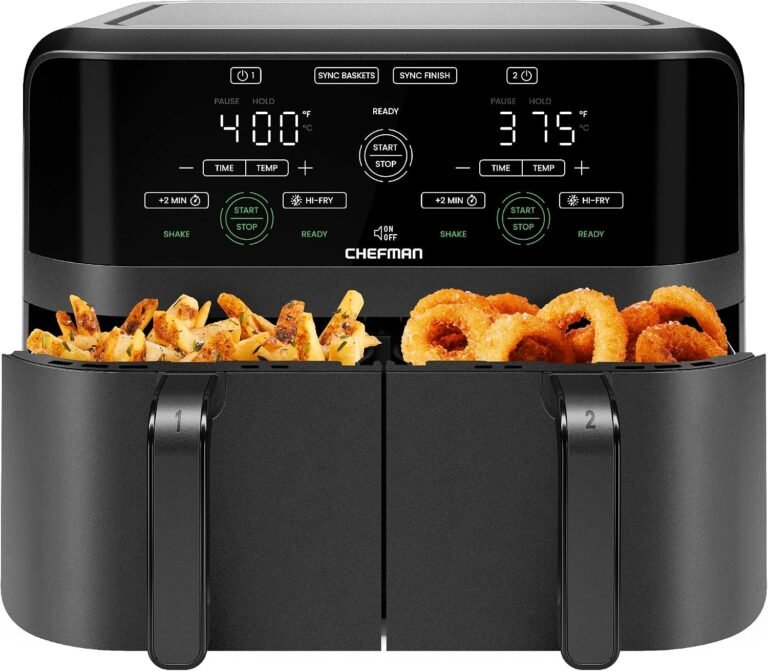
Air Fryer Safety Risks: 7 Common Mistakes to Avoid
Yes, air fryers are generally safe, but they come with real risks you need to know about. The biggest dangers are burns from hot surfaces and steam, plus fire hazards from greasy buildup. We found that most accidents happen when people skip basic maintenance or overcrowd the basket. You can use yours with total confidence once you understand the simple safety rules.
Air fryer safety risks are more common than you might think, but they are also easy to prevent. We looked into reports from safety groups and consumer agencies to see where things go wrong. The good news is that most issues are avoidable with proper usage and cleaning. Overheating, electrical problems, and even minor smoke events are usually the result of user error, not a faulty machine.
- Place your air fryer on a flat, heat-safe surface with clear space around it.
- Never overcrowd the basket — too much food blocks airflow and causes uneven cooking.
- Clean the basket and tray after every couple of uses to prevent grease fires.
- Use the right oil — a light spray works best; too much oil creates a smoke hazard.
- Unplug the unit when you are finished to avoid electrical risks when not in use.
Below, we break down exactly what causes air fryer accidents and how to keep your kitchen safe. Let us walk you through the top safety mistakes and the simple fixes that take two minutes to do. You will be cooking with peace of mind in no time.
Understanding the Real Air Fryer Dangers
We found that air fryer dangers break down into three main categories. These are burns, fire risks, and smoke events. You face the highest risk when you are in a hurry or not paying attention. The machine itself is not the enemy. The way you use it determines how safe you stay.
Consumer agencies have logged thousands of incidents involving air fryers. Most of them trace back to user behavior. We found that simple habits reduce almost every risk you face. Let us break down each danger so you know exactly what to watch for.
Burns from Hot Surfaces and Steam
Your air fryer gets extremely hot while cooking. The exterior can reach temperatures above 400 degrees Fahrenheit. Many people grab the basket handle without thinking. That is a recipe for a painful burn. Research from the National Institutes of Health shows that kitchen burns often happen from contact with hot surfaces.
Steam is another sneaky hazard. When you pull the basket out, a burst of hot steam hits your hand and forearm. It can easily catch you off guard. The vent on the back of the machine also releases scalding air during the whole cooking cycle. Keep kids and pets away from that area.
Why the Basket Gets So Hot
The basket sits directly against the heating element. Air circulates at high speed through the gaps. This design cooks food fast, but it also heats the metal parts you touch. You should treat the whole unit like a hot oven. Always use oven mitts, even when you think it has cooled down.
Steam Burns Happen Faster Than You Think
Steam burns are actually worse than dry heat burns. The moisture transfers heat into your skin more deeply. A quick open of the basket can leave a painful welt that lasts for days. Let the basket rest for a moment before you dig in. Give the steam a chance to escape upward and away from your body.
Fire Hazards from Grease and Food Build-Up
Grease fires are the scariest air fryer safety risk. We found that most of these happen when people skip cleaning for weeks. Old oil and food bits collect at the bottom of the basket. When the machine runs at high heat, that old grease can catch fire. The National Fire Protection Association lists cooking equipment as a leading cause of home fires.
Overcrowding also contributes to fire risk. When you stuff the basket full, food touches the heating element. This causes burning and smoke. We found that small fires start in the basket and spread quickly if you do not act fast. The fix is simple. Clean often and cook in smaller batches.
Smoke Events and How to React
Seeing smoke pour out of your air fryer is frightening. It usually means oil dripped onto the heating coil or old grease is burning off. Many guidelines suggest you unplug the unit immediately. Do not open the window and let it run. Stop the cooking cycle, pull the plug, and let the unit cool completely. A fire extinguisher nearby is a smart idea for any busy kitchen (American Red Cross).
Which Foods Cause the Most Smoke
Frozen foods with breading are common culprits. Batter soaks up excess oil and falls off during cooking. This debris collects in the bottom of the basket and smokes heavily. We found that bacon and fatty meats also create tons of grease splatter. If you love crispy bacon, lay a silicone liner down or clean the basket right after each batch.
Electrical and Placement Safety for Your Air Fryer
Where you plug in your air fryer matters more than most people realize. We found that poor placement causes many accidents. The machine draws a lot of power when heating up. Plugging it into a weak outlet can trip breakers. Worse, it can overheat the outlet itself and start a fire in your wall.
You should give your air fryer its own dedicated outlet. Avoid power strips and extension cords. These are not made for high-wattage appliances. Many safety experts say that countertop space should be flat, dry, and clean. The unit needs at least five inches of clearance on all sides.
Safe Air Fryer Placement Tips
Put your air fryer on a heat-resistant mat if you can. Granite and tile counters handle heat well. But some laminate counters can warp or melt. We found that placing the unit on a wooden cutting board is not ideal. That wood absorbs heat and can scorch over time.
- Keep it away from the stove and other heat sources.
- Make sure there is space above the vent for hot air to escape.
- Do not slide it under upper cabinets unless there is serious clearance.
- Keep curtains, dish towels, and paper towels far away.
- Unplug it when you finish cooking to prevent phantom power draw.
Electrical Malfunctions and Warning Signs
Your air fryer should not smell like burning plastic or metal. If it does, that is a red flag. We found that a burning odor often means a wiring issue inside. Stop using the appliance immediately. Check the plug for discoloration or a melted look. If you see any damage, contact the manufacturer or replace the unit.
Recalls and What You Should Know
Some air fryer models have been recalled in past years due to fire risks. The U.S. Consumer Product Safety Commission tracks these issues. Check the model number on the bottom of your machine. A quick search of that number tells you if there are any official warnings. This one step takes two minutes and could prevent a serious accident.
How to Use Your Air Fryer Safely Every Time
Safe usage is mostly about routine. Once you build good habits, you will not even think about them. We found that the safest cooks follow a short checklist before and after each use. This includes proper oil application and the right fill level. Here is how you stay safe without sacrificing crispy results.
Oil Choices and Quantity
Too much oil creates smoke and a messy clean-up. Less oil means fewer hazards. We found that a light spray is all you need for most foods. Avocado oil and canola oil have high smoke points. They can handle the heat without burning. Avoid oils like extra virgin olive oil for high-heat cooking. It burns quickly and produces unpleasant smoke.
Check Your Fill Line
Overfilling the basket is one of the most common mistakes. Food blocks the airflow, which causes uneven cooking and potential overheating. Most baskets have a max fill line on the inside. Go by that mark instead of guessing. We found that cooking in single layers gives you the best crunch and the safest experience.
Shake the Basket the Right Way
Shaking the basket is good for crispy results. But do not slam it down on the counter. Set it gently on a heat-safe trivet while you shake. This prevents damage to the basket coating. Damaged non-stick coating can flake off into your food, which is not something you want to eat.
Cleaning Your Air Fryer to Prevent Hazards
Daily cleaning is the single best way to avoid air fryer safety risks. You do not need to deep clean every time. But you should wipe out leftover grease after each batch. We found that letting grease sit overnight makes it harder to remove later. Old grease becomes sticky and sticky grease catches fire faster.
The Five-Minute Cleanup Routine
Do this after your air fryer cools down. It keeps your machine in tip-top shape. You only need warm soapy water and a soft sponge. This short routine prevents nearly all fire hazards.
- Unplug the unit and let it cool for 20 minutes.
- Remove the basket and tray. Wash them with warm soapy water.
- Wipe the inside heating coil area with a damp cloth.
- Check for stuck-on food near the heating element and remove it carefully.
- Dry all parts fully before you put them back in.
- Store it with the basket unlocked so moisture does not build up.
What NOT to Do When Cleaning
Never submerge the main base in water. The electrical parts are inside, and water destroys them. Many safety reports mention electric shock risks from wet appliances. Use only a damp cloth for the outer body. Avoid steel wool and abrasive scrubbers on the basket. They scratch the non-stick coating and make it easier for food to stick and burn.
Kids, Pets, and Your Air Fryer
Your air fryer sits on the counter, which makes it easy for curious kids to reach. The hot metal surfaces can cause serious burns. We found that little ones often grab the handle while the machine is running. You should treat the air fryer like you treat a hot stove. Keep an eye on it whenever it is on.
Pet safety matters too. Dogs might sniff around and knock the unit over. Cats love warm spots, but the vent is dangerous for them. Place your air fryer away from the edge of the counter. A child-safety lock on the drawer is helpful if your model has one.
A Simple Rule for Peace of Mind
If you leave the kitchen, turn the air fryer off. This one rule prevents most accidents. It only takes a minute to restart it when you come back. Many kitchen fires start because someone walked away and forgot about a hot appliance. Do not let that be you.
The Bottom Line on Air Fryer Safety Risks
We found that air fryer safety risks are almost completely avoidable with good habits. Keep your machine clean, your basket un-crowded, and your placement smart. Use a little oil, not a lot. Watch it while it cooks. These steps take almost no extra time and give you total peace of mind.
You can fry, roast, and crisp with confidence. Just remember that a hot appliance deserves respect. Treat it like a mini oven and you will never have an issue. Enjoy your crispy food and your safer kitchen. That is what we call a win-win.
Conclusion
Air fryer safety comes down to the habits you build in your kitchen. You now know the main risks: burns from heat and steam, grease fires, and electrical issues. The good news is that every single one of them is preventable with a little attention.
Keep your machine clean, give it breathing room, and never overcrowd the basket. Use a light touch with oil and always unplug when you are done. These small steps take seconds but make a huge difference.
Your next step is simple. Do a quick safety check on your air fryer right now. Look at the basket for grease buildup, confirm the plug looks normal, and make sure it has clearance on your counter. That two-minute check gives you peace of mind for every meal to come.
Frequently Asked Questions
Can you leave an air fryer unattended while it cooks?
You should not leave an air fryer completely unattended. Most safety incidents happen when people walk away and forget about the appliance. If you need to step out of the kitchen, turn it off and restart when you return. It only takes a minute to heat back up.
How long does an air fryer need to cool down before cleaning?
Wait at least 20 to 30 minutes after unplugging before you start cleaning. The metal parts stay hot long after cooking finishes. You risk a serious burn if you grab the basket too soon. Test the surface with the back of your hand before touching it to be sure.
Is it safe to put parchment paper in an air fryer?
Yes, but only if you use it correctly. Cut parchment paper to fit the basket and always weigh it down with food. Loose paper can fly up and touch the heating element, which creates a fire risk. Never use parchment paper for the preheat cycle when the basket is empty.
What do you do if your air fryer catches fire?
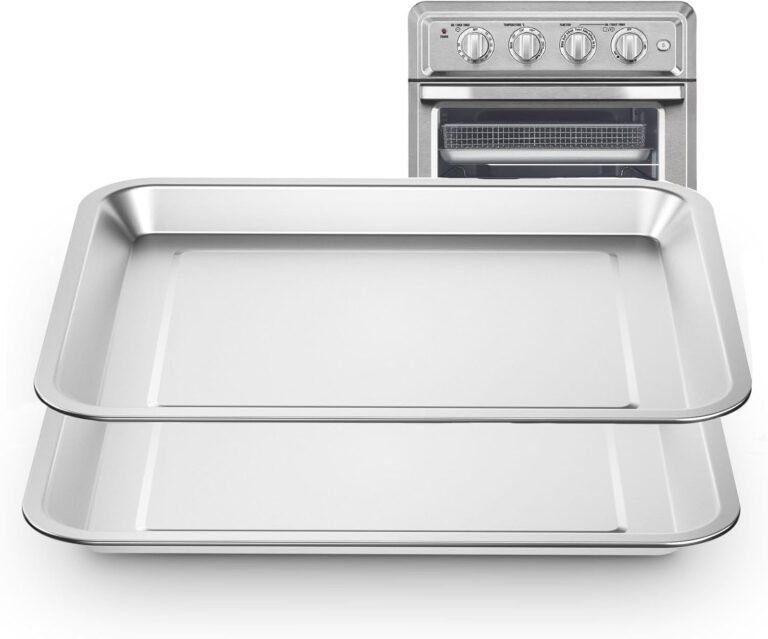
Unplug the unit immediately if it is safe to do so. Do not open the basket — that adds oxygen and makes the fire worse. Smother the flames with a metal lid or baking sheet, or use a class B fire extinguisher. Never pour water on a grease fire, and call 911 if the fire gets out of control.
How often should you deep clean your air fryer to avoid grease buildup?
We recommend a quick wipe-down after every use and a deeper clean once a week if you cook often. Old grease is the main cause of smoke and fires. A weekly soak of the basket and tray in warm soapy water keeps flammable buildup under control. Set a reminder on your phone if you tend to forget.