Air Fryer Oven vs Conventional Oven: Key Differences
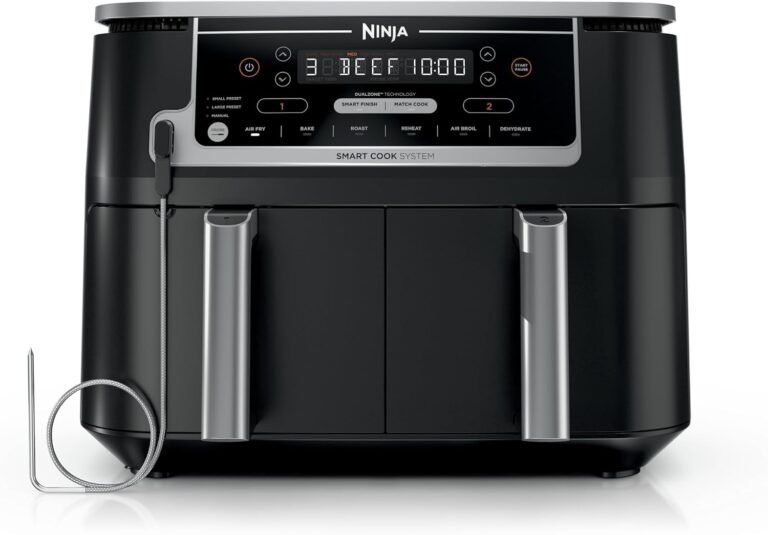
An air fryer oven is the better choice if you want speed, crispiness, and lower energy use. The winner between an air fryer oven vs conventional oven really comes down to your cooking style and kitchen space. In short, an air fryer is a small convection oven that cooks food fast, while a conventional oven is built for large batches and even heat.
We found that most home cooks don’t need to choose just one. Many experts say that having both gives you the most flexibility. An air fryer excels at frozen foods, chicken wings, and reheating leftovers. A regular oven is your go-to for baking cakes, roasting a whole turkey, or cooking multiple dishes at once.
- Speed: Air fryers preheat in minutes; ovens can take 10-15 minutes.
- Crispiness: Air fryers deliver crunch with less oil, but ovens can’t match that texture.
- Capacity: Ovens win for large meals; air fryers are best for 1-4 people.
- Energy: Air fryers use less electricity because they’re smaller and faster.
- Versatility: Ovens handle baking and broiling better than most air fryers.
Below, we break down the key differences so you can decide which appliance fits your kitchen best. We will compare cooking results, cost, and ease of use to help you make the right call.
Choosing Between an Air Fryer Oven and a Regular Oven
You want to know which one wins for your kitchen. The short answer is that your cooking habits decide the winner. We found that an air fryer shines for quick, crispy meals, while a standard oven handles the heavy lifting for big gatherings.
Why Size and Capacity Matter Most
Think about who you cook for every day. An air fryer basket typically holds 3 to 6 quarts. That is plenty for a couple or a small family of four. You can cook a pound of chicken wings or a tray of fries without crowding.
A conventional oven offers 4 to 6 cubic feet of space. That means you can slide in a 20-pound turkey or bake three sheets of cookies at once. If you meal prep for the week or host holiday dinners, the big oven wins easily.
We found that most people use the air fryer for weeknight sides and the oven for weekends. Both take up counter or cabinet space, so measure your kitchen before you commit.
Preheating Time and Daily Convenience
Nobody likes waiting for a hot oven on a busy Tuesday. An air fryer preheats in 2 to 4 minutes. Some models do not even need preheating. You just set the temperature and go.
A conventional oven takes 10 to 15 minutes to reach 350 degrees Fahrenheit. That is time you could spend prepping veggies or setting the table. Many guidelines point to preheating as the biggest time difference between these two appliances (US Department of Energy).
For quick reheats and after-school snacks, the air fryer saves you about 10 minutes each time. Over a month, that adds up to a couple of hours of your life back.
Energy Efficiency and Your Utility Bill
Your wallet feels the difference between these two ovens. We found that a countertop air fryer uses around 1,400 to 1,700 watts. A full-size electric oven pulls 2,000 to 5,000 watts depending on the model and temperature.
The air fryer also runs for less time. Shorter cooking cycles mean lower electricity usage. Many experts say that air fryers can cut cooking energy use by up to 50 percent for small meals (Consumer Reports).
If you cook for one or two people, the air fryer saves real money over the year. For large roasts or baked goods, the conventional oven remains the practical choice despite the higher wattage.
Texture and Taste: Does Crispy Beat Even Heat?
You bought an air fryer for one reason: crunch. The rapid air circulation creates a crispy exterior on fries, chicken, and fish with just a light oil spray. You get that fried-food texture without the deep fryer.
Conventional ovens use still or slow-moving air. They brown food well but rarely achieve the same shattering crunch. Baking a cake, however, is where the big oven shines. The gentle, even heat helps cakes rise uniformly and cookies spread correctly.
We found that air fryers also dry out food faster if you overcook them. You need to check your food a few minutes early. A conventional oven offers more forgiveness with a 5-minute window before burning.
Moisture Retention for Meats
Roasting a whole chicken in an air fryer works, but the skin gets crisp while the breast can dry out. The small space and strong fan pull moisture away quickly. You must use a meat thermometer to avoid overdoing it.
A conventional oven traps steam better at lower temperatures. Braising a pork shoulder or slow-roasting a brisket needs the steady, low heat of a full-size oven. The air fryer simply cannot hold that much meat with enough moisture.
Speed Comparison: Air Fryer Oven Against a Standard Oven
Cooking time matters when you are hungry. The air fryer cuts cooking time by 20 to 30 percent compared to a regular oven. That means your 25-minute chicken breast recipe finishes in about 18 minutes.
We found that the fan in an air fryer moves hot air at high speed. This transfers heat faster to the food surface. The result is faster browning and a shorter overall cook time.
Baking and Roasting: Where the Big Oven Wins
Baking is a science, and your standard oven is the lab. The even heat distribution makes cakes rise evenly. Custards set properly without a crust. Bread develops a beautiful golden top.
Air fryers work for small baked goods like muffins or brownies. But the hot fan can create a crust too quickly. Your cookies might be raw in the middle and crisp on the edges.
Many guidelines point to the conventional oven as the standard for consistent baking results (American Culinary Federation). If you bake weekly, the large oven is your best friend.
Broiling and High-Heat Cooking
Your conventional oven has a dedicated broiler element. That gives you intense top-down heat for melting cheese or caramelizing sugar on a crème brûlée. Most air fryers lack this direct heat source.
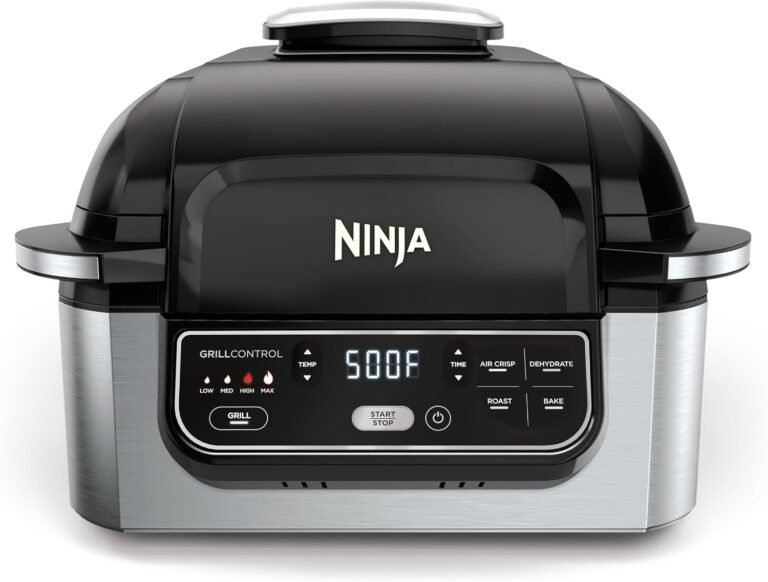
Some high-end air fryer ovens include a broil setting. We found that these work decently for small portions. But they cannot match the wide, even heat of a full-size broiler for a sheet pan of fish or a large casserole.
What About Cooking for a Crowd?
Imagine Thanksgiving dinner or a birthday party. You need to serve 10 to 12 people. The air fryer will take three or four batches to feed everyone. That means your food sits cold while the next batch cooks.
A conventional oven holds a turkey, two side dishes, and a pie. You can coordinate everything to finish at the same time. The big oven is the only real choice for large gatherings.
Batch Cooking and Meal Prep Strategies
Meal prepping for the week is easier in a full-size oven. You can roast a tray of chicken breasts, a pan of sweet potatoes, and a sheet of broccoli all at once. Each food cooks at the same temperature without flavor transfer.
With an air fryer, you work in small batches. We found that preppers use the air fryer for proteins and the oven for vegetables. That combo keeps your week organized and your kitchen cool.
Cost to Buy and Maintain Both Appliances
Your budget matters. A decent air fryer oven costs between $60 and $200. A conventional oven, whether you replace an existing one or buy a countertop model, runs from $500 to $2,500 installed.
Maintenance costs differ too. Air fryers need regular cleaning of the basket and heating element. Most parts go in the dishwasher. A conventional oven needs less frequent cleaning but requires heavy-duty degreasers for the interior.
Counter Space and Kitchen Workflow
An air fryer oven takes up about 12 to 15 inches of counter space. That is a significant footprint for a small kitchen. You might need to store it in a cabinet when you are not using it.
We found that people who cook daily leave the air fryer out. That frees them from heating up the whole kitchen. In summer, the air fryer keeps your home cooler than a big oven.
Making the Final Call: What Should You Buy?
Ask yourself three questions before you spend money. First, how many people do you cook for daily? Second, do you bake or roast large items often? Third, how much counter space do you have? Our air fryer buying guide walks through the key specs to check before you spend.
If you live alone or cook for two, the air fryer is the clear winner. It saves time and energy. If you feed a family of five or host parties, the conventional oven is non-negotiable.
A Practical Checklist for Your Kitchen
Use this list to match the appliance to your lifestyle. You might already own one of these, so focus on your gaps.
- Daily cooking for 1-2 people: Choose the air fryer for speed and crispiness.
- Weekly baking or bread making: Choose the conventional oven for even heat.
- Reheating leftovers: Choose the air fryer to restore crunch.
- Large holiday meals: Choose the conventional oven for capacity.
- Summer cooking: Choose the air fryer to keep your kitchen cool.
- Limited counter space: Choose one appliance that does both, like a countertop convection oven.
Comparing Key Features Side by Side
| Feature | Air Fryer Oven | Conventional Oven |
|---|---|---|
| Preheat time | 2-4 minutes | 10-15 minutes |
| Cooking capacity | 3-6 quarts | 4-6 cubic feet |
| Energy use | 1,400-1,700 watts | 2,000-5,000 watts |
| Best for | Frozen foods, wings, reheats | Baking, roasts, large meals |
| Texture results | Very crispy | Evenly browned |
| Monthly cost estimate | $2-$5 | $8-$15 |
The Verdict on Owning Both
We found that most home cooks eventually own both appliances. The air fryer handles the quick, crispy weeknight meals. The conventional oven steps in for baking, roasting, and family dinners. If you have the budget and space, get both.
If you must pick one, think about your top three meals. Do you cook frozen fries more than you roast a chicken? Then the air fryer wins. Do you bake cookies every weekend? The conventional oven is your priority.
Either way, you will cook great food. The best appliance is the one you actually use every week. Match your purchase to your routine, and you will not regret it.
Conclusion
Choosing between an air fryer oven and a conventional oven comes down to how you actually cook. The air fryer wins for speed, crispy texture, and energy savings on small meals. The conventional oven is your best pick for baking, roasting large cuts of meat, and feeding a crowd.
You don’t have to force yourself into one camp. Many home cooks keep both on hand. Start by thinking about your busiest weeknight. If you reach for frozen fries more than a sheet pan of cookies, the air fryer earns its counter space. If weekend baking or holiday dinners are your priority, the full-size oven pulls its weight.
Your next step is simple: measure your counter, check your budget, and pick the appliance that matches your top three meals. You can always add the other one later.
Frequently Asked Questions
Can I use parchment paper in an air fryer oven?
Yes, you can use parchment paper in most air fryer ovens. Make sure it fits the basket without blocking airflow. We recommend checking your manual first, since some models have specific safety rules.
Do air fryers really cook food faster than a regular oven?
Yes, air fryers typically cut cooking time by 20 to 30 percent. The powerful fan moves hot air around the food more quickly. That means your chicken or fries finish sooner than they would in a conventional oven.
Is an air fryer cheaper to run than a conventional oven?
Yes, an air fryer costs less to run for small meals. It uses fewer watts and preheats faster than a big oven. Your monthly savings might be around $5 to $10, depending on how often you cook.
Can I replace my conventional oven with an air fryer oven?
You can replace it if you cook for one or two people and rarely bake. You will lose the capacity for large roasts and multiple baking sheets. Many people keep their conventional oven and use the air fryer for quick sides and snacks.
What foods should I never cook in an air fryer?
Skip wet batters and foods with heavy sauces in an air fryer. The fan will blow the coating around before it sets. Large roasts and whole chickens are also tricky because the small space can dry them out.