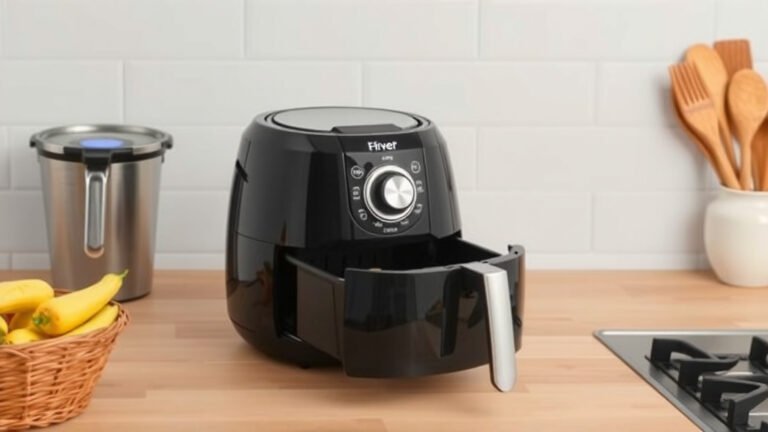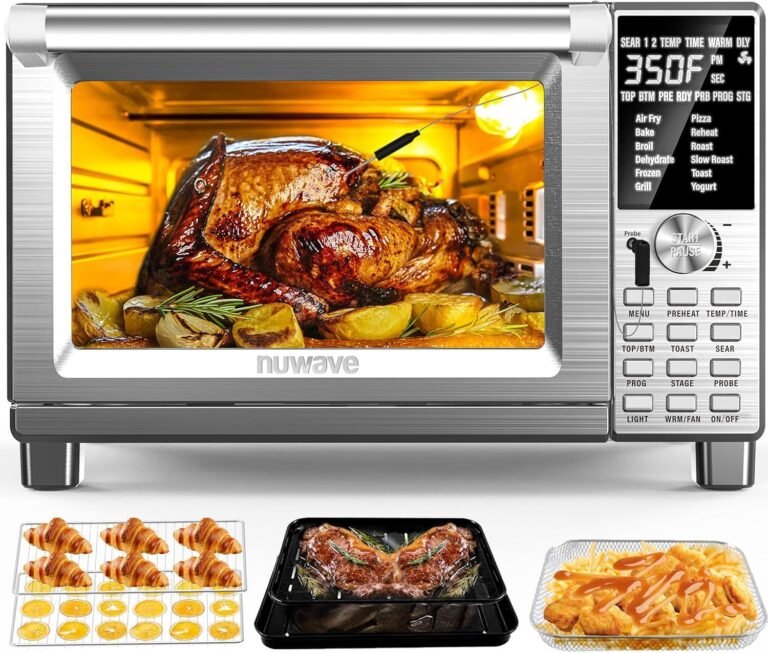
Air Fryer Basics: How to Use One Safely and Easily
An air fryer is a countertop convection oven that circulates hot air around food to make it crispy, golden, and delicious with a fraction of the oil you’d normally use. It isn’t actually a fryer at all—it’s a smart, compact mini-oven that mimics the taste and texture of deep-fried food without the mess, sinking calories, or lingering grease smell in your kitchen. The best use for an air fryer is everyday cooking, from reheating leftovers to making weeknight dinners faster than a traditional oven.
You can use your air fryer for way more than frozen fries or chicken wings. We found that families lean on it for vegetables, meats, baked goods, and even full meals like salmon, roasted potatoes, and stuffed peppers. It preheats in minutes, cooks faster than a standard oven, and needs almost no cleanup. Many experts say the air fryer is the number one appliance for quick, healthy weeknight meals because you cut oil by up to 75% while keeping food crispy and flavorful. Whether you just bought your first one or you’re wondering if it’s worth the hype, this guide walks you through every practical use—so you get the most out of that countertop gadget you already love.
- Air fryers work by circulating superheated air, not oil, to create crispy food fast.
- You can cook almost anything: meats, veggies, frozen snacks, eggs, and baked goods.
- Preheating takes just 3–5 minutes, and most foods cook 20–30% faster than a regular oven.
- Reheating leftovers in an air fryer restores crispiness that microwaves kill.
- Always shake the basket midway through cooking for even, golden results.
Below, we break down everything you need to know about getting the most out of your air fryer—from best cooking times and temperature guides to simple tips that make every meal turn out perfect. Let’s walk through exactly how this works step by step so you can start using your air fryer to its full potential tonight.
Getting Started With Your Air Fryer
Before you start tossing food in, take two minutes to set yourself up for success. We found that a tiny bit of prep makes a huge difference in how your meals turn out.
Read the manual once. Seriously. Different brands have different wattages and basket shapes. That matters for cook times. You don’t need to memorize it, just skim the safety section and the max-fill line notes.
Next, give the basket a quick wash with warm, soapy water. Even if it looks clean from the factory, you want a fresh start. Dry it completely before you plug it in. Moisture in the basket can cause splattering once the fan kicks on.
Preheating for Better Results
Do you preheat your regular oven? Most people do. Your air fryer works the same way. Give it 3 to 5 minutes to warm up before you add food.
Most air fryers have a preheat button. If yours doesn’t, just set the temperature and let it run empty for a few minutes. We found that preheating gives you that golden crust instead of a soggy exterior. Skipping it means longer cook times and less crispiness. That’s the whole point of the appliance, so don’t skip this step.
Testing for Hot Spots
Every air fryer has hot spots. The back and sides usually run hotter than the center. You will learn yours after a few uses.
Shake the basket halfway through cooking. That mixes everything up and evens out the heat. For larger items like chicken breasts, flip them once. It takes ten seconds and saves you from biting into a dry edge.
Perfect Temperature and Timing for Everyday Foods
You do not need a culinary degree to nail cook times. We found that most everyday foods fall into simple ranges. Use this as your cheat sheet when you’re in a hurry.
Air fryers cook fast. Usually 20 to 30 percent faster than a regular oven. That means checking early is smart. You can always add more time, but you can’t un-cook something.
| Food | Temperature | Time | Tip |
|---|---|---|---|
| Frozen french fries | 400°F | 12–15 min | Shake at the 8-minute mark |
| Chicken breast (boneless) | 375°F | 18–22 min | Flip halfway; check internal temp |
| Salmon fillet | 390°F | 10–12 min | No need to flip |
| Roasted broccoli | 380°F | 8–10 min | Toss with a little oil first |
| Reheated pizza | 350°F | 3–4 min | Better than the microwave, guaranteed |
| Hard-boiled “eggs” | 270°F | 15 min | Cool in ice water right after |
Meat and Poultry Safety Basics
You need a meat thermometer. Not a suggestion. A real necessity. Chicken must reach 165°F internally to be safe to eat (USDA). Air fryers cook fast outside, but the inside needs a check.
We found that air fryers are forgiving with pork and beef. Cook pork chops to 145°F and let them rest for three minutes. Ground beef should hit 160°F. When in doubt, follow the temperature guidelines from the USDA.
Do not crowd the basket. If food overlaps, the steam gets trapped. That ruins the crispiness and makes cook times uneven. Cook in batches if you have to. The small wait is worth the better texture.
Resting Meat After Cooking
Resting is not just for grills. Let your meat sit for a few minutes after it comes out of the air fryer. This lets the juices redistribute. If you slice right away, you lose moisture. A five-minute rest makes it juicier.
The Best Ways to Use Your Air Fryer for Vegetables
Vegetables might be the best thing to make in an air fryer. Roasting takes 20 minutes in the oven. Here, it takes eight. We found that people eat more veggies when they taste this good.
The trick is a light oil coating. Use about a teaspoon of oil per cup of veggies. Toss them so everything gets a thin coat. Then season. The hot air does the rest.
Roasting Vegetables From Scratch
Hard veggies like carrots, potatoes, and Brussels sprouts need a head start. Cut them into evenly sized pieces. Even sizes mean even cooking. A 400°F temperature for 10 to 12 minutes usually works.
Soft veggies like zucchini and peppers cook faster. Check them at the 6-minute mark. You want them tender but not mushy. We found that shaking the basket once prevents sticking and keeps things moving.
Frozen Vegetables Done Right
You can cook frozen veggies straight from the bag. No thawing needed. Just add a little oil and seasoning. Add two to three extra minutes to the cook time. The basket will steam a bit at first, so shaking matters more here.
Toss frozen broccoli with salt, pepper, and garlic powder. Cook at 400°F for 10 minutes. You get crisp edges you never get from a microwave.
Cooking Frozen Foods That Turn Out Crispy
This is what most people buy an air fryer for. And it works. Frozen snacks transform in the air fryer. You skip the deep fryer oil and still get that satisfying crunch.
Frozen fries, tater tots, and mozzarella sticks are all easy wins. Just follow the package time, reduce it by about 20 percent, and shake halfway. Check early the first time you make anything new.
Frozen Chicken and Seafood
Frozen chicken tenders and fish sticks cook beautifully. Lay them in a single layer. Do not overlap them. Overlap traps steam and makes the breading soggy.
Cook frozen chicken strips at 400°F for 10 to 12 minutes. Flip them once halfway. Fish sticks need about the same time. The internal temperature should still reach 165°F for chicken, even if they look golden.
Reheating Leftovers Without Mushiness
Your microwave ruins crispy food. Fried chicken, pizza, and fries turn into sad, soggy messes. The air fryer fixes all of that. Reheating is a top use for this appliance.
Set the temperature to 350°F for most leftovers. The lower temp heats through without burning the outside. Pizza takes three to four minutes. Fried chicken takes four to six minutes. French fries come back to life in two to three minutes.
One note: don’t reheat sauces or soups in the air fryer. That is not what it does. Use a microwave or stovetop for liquids. Dry food is where the air fryer shines.
Making Full Meals in Your Air Fryer
You can cook a complete dinner in this countertop gadget. Not just snacks. We found that whole meals are easier than you think.
Start with a protein and add a quick-cooking veggie on the side. Salmon with asparagus is a classic match. Put the salmon in first, then add the asparagus for the last five minutes. Everything finishes at the same time.
Stuffed peppers work great. Cook the filling first, then stuff and finish. Chicken thighs with roasted potatoes fit in most baskets. Cut the potatoes small so they cook at the same speed as the chicken.
Batch Cooking for Busy Weeks
Make extra for tomorrow. Cook a few chicken breasts and store them in the fridge. You have a ready protein for salads or wraps since leftover chicken stays good for three to four days (USDA).
Hard-boiled “eggs” in the air fryer are perfect for meal prep. Cook a batch of six at 270°F for 15 minutes. Cool them in ice water and store them in the shell. Grab and go all week.
Simple Air Fryer Cleaning Routine
Cleaning is quick if you do it right after cooking. That prevents stuck-on food. Do not soak the basket. Most baskets are nonstick and soaking can damage the coating over time.
Wash the basket and tray in warm, soapy water. Use a soft sponge. Avoid steel wool. Dry it completely before putting it back in the machine.
Dealing With Stuck-On Residue
Sometimes food sticks. That happens. Fill the basket with warm water and a drop of dish soap. Let it sit for ten minutes. The residue will wipe right off.
If you have burnt-on grease, make a paste with baking soda and water. Apply it and let it sit for five minutes. Scrub gently and rinse. Check your manual first, because some coatings don’t like baking soda.
Boost Your Results With This Quick Checklist
Follow this every time you cook. It takes ten seconds and makes your food consistently better.
- Preheat the air fryer to your target temperature for 3 to 5 minutes.
- Pat food dry with a paper towel before seasoning to reduce steam.
- Coat food lightly with oil, about one teaspoon per cup of food.
- Arrange food in a single layer, leaving space between each piece.
- Shake or flip the food halfway through the cooking time.
- Check internal temperature with a meat thermometer before serving.
These steps work for almost everything you cook. They prevent the common mistakes that leave food uneven or soggy. Follow them and you will wonder why you waited so long to use this machine every day.
Conclusion
Your air fryer is the fastest way to get a crispy, golden meal on the table without the oil and mess. You now know the key moves: preheat for a few minutes, keep food in a single layer, and shake the basket halfway. That simple routine makes all the difference.
We found that families get the most use out of this appliance by treating it as their go-to for weeknight dinners and reheating leftovers. Don’t let it sit in the cabinet. Pick one recipe from this guide and make it tonight. Start with something easy like roasted broccoli or frozen fries, and you will build confidence fast. You will wonder how you cooked without it.
Frequently Asked Questions
Why does my air fryer smoke and what should I do?
Smoke usually comes from excess oil dripping onto the heating element. Pat your food dry before cooking and use less oil. If smoke appears, turn off the fryer and let it cool completely before cleaning the basket.
Can I put parchment paper in my air fryer?
Yes, but only use perforated parchment paper made for air fryers. Regular parchment can block airflow and get sucked up into the heating element. Leave it unweighted and never preheat with paper inside.
What foods should I never cook in an air fryer?
Wet batters like tempura will drip and make a mess. Large whole chickens won’t cook evenly because they stick up too high. Leafy greens like spinach can blow around and burn quickly. Skip these and stick to the items we covered above.
How do I keep food from sticking to the basket?
A light coat of oil on the food itself is your best defense. You can also spray the basket with a little cooking spray before adding food. Just make sure the basket is completely dry before you start.
Is it worth buying an expensive air fryer or is a budget one fine?
Budget air fryers work well for basic cooking like fries and chicken. Pricier models add features like dual baskets, dehydration modes, and quieter fans. We found that the most important thing is getting a size that fits your family, not the price tag.